

Last updated October 30, 2026
 Home additions & ADU
 Kitchen remodeling
 Bathroom remodeling
 Roofing
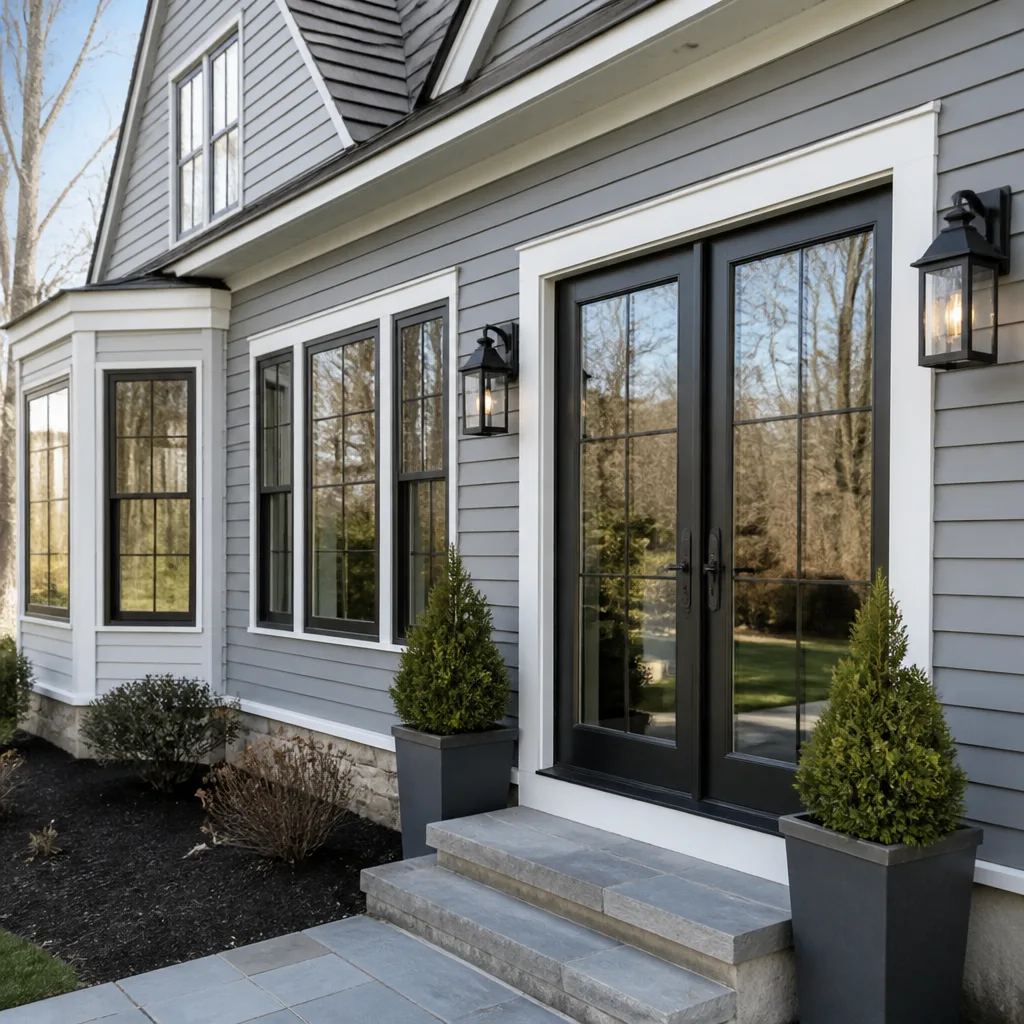 Windows & doors
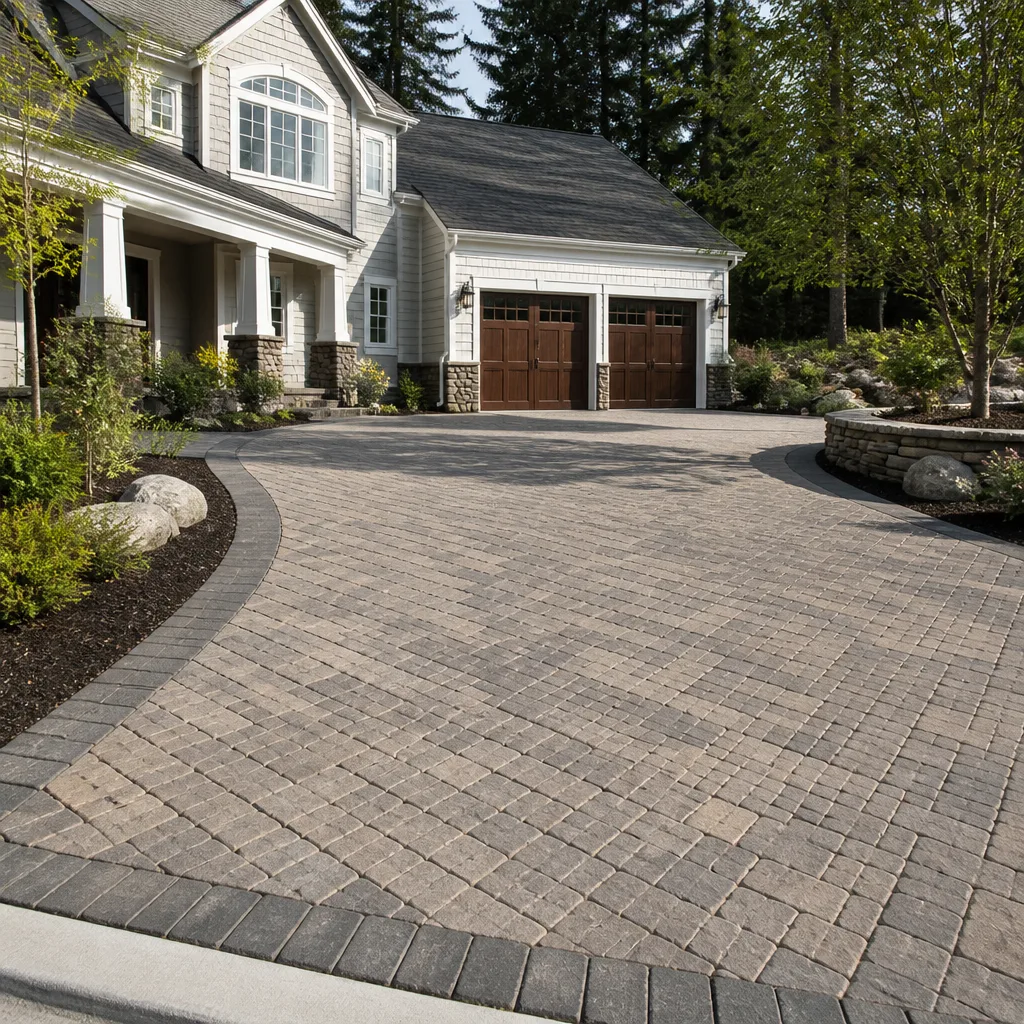 Driveway & pavers
 Fence
Free written scope consultation - allowances, timeline, and change-order rules on paper before a single trade is scheduled
Construction Emergency Preparedness Guide for Murrieta Homes
When a Santa Ana wind event takes out a section of fencing and lifts three roofing tiles at 2 a.m., a Murrieta homeowner’s ability to limit damage in the next 48 hours depends entirely on decisions made before it happened. The emergency contacts saved in your phone, the tarp folded in the garage, the flashing that was replaced two years ago instead of ignored. This guide walks through what actually fails on Murrieta homes during wind, fire, and rain events, what to do in the first 24 hours after damage occurs, and which hardening decisions made now will matter most during the next emergency. We’ll cover the construction-specific vulnerabilities that most preparedness guides skip entirely.
Styles & brands we work with
Quick Answer
Construction emergency preparedness for Murrieta homes means hardening your property against the three threats that actually occur here: Santa Ana wind damage to roofing and fencing, wildfire ember intrusion through attic vents and soffits, and post-rain foundation saturation on graded lots. The most important preparation steps are documenting your home’s condition before an event, knowing which contractor to call before your insurer, and understanding which emergency repairs require permits and code compliance even when time is critical.
Table of Contents
- Murrieta’s Construction Emergency Profile
- The First 24 Hours After Storm or Wind Damage
- Wildfire Ember Intrusion: Hardening a Murrieta Home
- Post-Drought Rain Failures: What Breaks After a Dry Season
- Emergency Permits in Riverside County: What Requires One
- Preventive Investments That Pay Off During Emergencies
- Documentation: The Insurance Claim Foundation
- Common Mistakes to Avoid
- When to Call a Professional
- Frequently Asked Questions
- The Bottom Line
Murrieta’s Construction Emergency Profile
Murrieta sits in a specific meteorological and geological position that creates a predictable pattern of construction emergencies. The city’s location along the I-15 corridor at the base of the Santa Ana wind path means homes here experience wind events that homes in Temecula’s valley floor or inland areas simply don’t face with the same intensity. When those winds arrive, they find 1990s-era tract construction that was built under building codes that predate current wind-resistance standards for roofing attachments and fence post anchoring.
In our experience working on Murrieta homes, three emergency types dominate:
- Wind damage failure points: Roof tiles at gable edges, fence sections with posts set in shallow concrete, and patio covers with inadequate lateral bracing. The 1990s tract homes common throughout Murrieta’s older neighborhoods, particularly in the areas east of the 215 and north of Los Alamos Road, often have original roofing tiles whose underlayment has degraded to the point where wind uplift becomes a tearing force rather than a lifting force.
- Wildfire ember vulnerability: Murrieta’s position adjacent to the Cleveland National Forest and the Santa Rosa Plateau means ember intrusion is a real threat during red flag conditions. The homes most at risk are those built before 2008, when California’s Wildland-Urban Interface (WUI) code began requiring ember-resistant venting. A single unscreened attic vent can admit thousands of embers in minutes.
- Graded-community drainage failures: Many Murrieta neighborhoods were built on cut-and-fill lots. When heavy rain follows drought, the fill soil settles and the drainage channels that were graded decades ago no longer move water away from foundations. We’ve seen post-rain foundation saturation in neighborhoods across Murrieta where homeowners had no idea their lot’s drainage swale had silted over years earlier.
Understanding which of these applies to your specific Murrieta home is the first step in preparation. A home on a ridge in the Santa Rosa Highlands faces different threats than a 1980s rancher in central Murrieta, and the hardening priorities should reflect that.
The First 24 Hours After Storm or Wind Damage
What you do in the day after damage occurs determines whether you’re facing a $2,000 repair or a $45,000 rebuild. The sequence matters more than most homeowners realize, and it starts with documentation, not cleanup.
Step 1: Document Everything Before Moving Anything
Photograph every damaged area from multiple angles before you move a single broken tile or fence board. Insurance adjusters look for pre-move documentation, and without it, claims get denied or reduced. Use your phone’s timestamp feature. Walk the entire property perimeter, not just the obvious damage zone. Wind damage often extends far beyond what you can see from the back patio.
Step 2: Temporary Protection Within Hours, Not Days
If roofing is compromised, tarping is your immediate priority. A proper emergency tarp job is more than throwing a blue sheet over the damage. It needs to extend past the ridge line to prevent water from running under the tarp, it needs battens on all edges, and it needs to be checked after the next wind event. For fencing that’s blown over, secure the area with proper temporary barriers rather than trying to resurrect the fence in the dark.
Step 3: Call Your Contractor Before Your Insurer
This is the step that surprises most homeowners. Calling your insurer first means waiting on hold while water continues to intrude through a broken roof plane. Calling a contractor first means getting a professional assessment of what’s structurally compromised, what needs emergency stabilization, and what the repair will actually cost before you sit down with an adjuster. In Murrieta, contractors who handle emergency response know the local code requirements for temporary protection and can document damage in the language insurance companies expect. A general contractor in Murrieta working on emergency response handles this sequence regularly and can tell you within a visit whether you’re looking at a simple repair or a structural problem.
Step 4: The Occupancy Decision
Certain damage requires a stop on occupancy, and knowing which is a life-safety issue. A roof that has lost structural sheathing is a different situation than one that has lost tiles. A foundation that has been undermined by water is an occupancy question. If you have any doubt, a contractor’s structural assessment is worth the visit before anyone sleeps in the house again.
Wildfire Ember Intrusion: Hardening a Murrieta Home
Most Murrieta homes are not destroyed by direct flame contact. They’re destroyed by embers, and most embers enter through vents, soffits, and gaps in the building envelope. This is the single most actionable hardening opportunity for Murrieta homeowners, and it’s also the one most neglected.
The ember intrusion pathways on a typical Murrieta home include:
Attic Vent Screening
California WUI code now requires 1/8-inch to 1/16-inch metal mesh screening on all attic vents. Homes built before 2008 may have 1/4-inch screening or none at all. The difference matters: a 1/4-inch opening admits embers that a 1/16-inch screen stops. Upgrading attic vent screens is one of the least expensive hardening measures available, and it can be completed in a single day.
Soffit Vents and Eave Construction
Vented soffits on older Murrieta homes create a direct pathway for embers into the attic. The fix is not to seal all ventilation, which creates moisture problems. It’s to install ember-resistant venting that maintains airflow while blocking ember penetration. Some products on the market, including options from Boral and Atlas, are specifically engineered for WUI code compliance and can be installed as part of a larger exterior renovation.
Decking and Material Choices Under WUI Code
If your Murrieta home has a wood deck, the material and spacing of decking boards matters. Embers land in the gaps between boards, ignite accumulated debris, and burn from underneath. WUI-compliant decking materials, including certain composite products and fire-resistant treated woods, reduce this risk substantially. If you’re planning a home remodeling in Murrieta project that includes a new deck or patio area, this is the right time to spec WUI-compliant materials rather than defaulting to standard lumber.
For homes on the western edge of Murrieta, closer to the Santa Rosa Plateau and the areas where wildfire has historically approached, hardening should be prioritized higher than for homes in the central valley areas. The risk gradient is real, and it follows the terrain.
Post-Drought Rain Failures: What Breaks After a Dry Season
Murrieta sits in a Mediterranean climate with long dry seasons followed by sudden rain. That cycle does specific damage to construction elements in predictable ways. When a drought year ends and rain arrives, the failures follow a pattern we’ve seen repeat across Murrieta neighborhoods.
Hardscape Joint Separation
Dry soil contracts. Pavers and concrete slabs settle, joints open, and then rain arrives and the soil expands again. This cycle creates the hardscape failures that become trip hazards and drainage problems after rain. Joints that were flush in June are 1/4 inch offset by February. The fix is not always full replacement; sometimes it’s re-leveling and joint repair, but it’s work that should be evaluated after the first significant rain of the season, not after a year of accumulated movement.
Expansive Soil Heave
Certain areas of Murrieta sit on soils with enough clay content to expand significantly when saturated. Foundation heave from expansive soils causes cracked drywall, doors that no longer latch, and in severe cases, structural movement in slabs. Homes built on these soils with proper post-tension slab construction are better protected, but older homes on conventional foundations may show movement after heavy rain. The warning sign is a crack that opens in dry season and closes when soil moisture returns, a cycle that repeats and deepens over time.
Window Sill Flashing Dried Out During Dry Season
Flashing materials, especially the self-adhered membranes around windows and doors, degrade in prolonged dry heat. When rain finally arrives, water finds its way through flashing that looked intact but has bonded to itself and split. Window sill flashing is a frequent leak point on Murrieta homes after dry spells, and it’s one of the easiest things to check and replace before the rain arrives.
If you’re planning a home renovation in Murrieta, consider including a drainage and flashing inspection as part of the scope. Many renovation projects focus entirely on interior improvements while ignoring the exterior systems that protect those improvements from water damage.
Emergency Permits in Riverside County: What Requires One
The belief that emergency repairs don’t require permits is one of the most expensive misconceptions in Murrieta construction. Under Riverside County building regulations, most structural repairs still require a permit, even when time is critical. The difference is that contractors can pull emergency permits with an expedited process.
Here’s what typically requires a permit even in an emergency:
- Roofing replacement beyond temporary tarping: If you’re replacing sheathing or more than a small section of roofing, a permit is required. Temporary tarping for weather protection does not require a permit, but permanent repair does.
- Structural framing repairs: Any repair to load-bearing walls, rafters, trusses, or foundation elements requires a permit, no matter how urgent the repair.
- Electrical panel or service replacement: If wind damage or water intrusion affects your electrical system, the repair or replacement work requires an electrical permit.
- Fence replacement over 6 feet: Murrieta allows fences up to 6 feet without a zoning review, but taller fences require approval. Wind-damaged fences under 6 feet can usually be repaired without a permit if the posts are being replaced in the same locations.
- Water heater or HVAC replacement after flood damage: Mechanical equipment replacement requires a mechanical permit when the equipment is being changed out rather than repaired.
The reason this matters for insurance claims is that work performed without required permits can void the warranty on the repair and complicate the claims process. Insurance companies expect the work to be done legally, and unpermitted work is a legitimate basis for reducing a claim payout.
For homeowners who are unsure whether their emergency repair requires a permit, a good contractor will tell you directly and handle the permit process. That’s part of the value of working with a full-scope Pinecrest Contractors team rather than a specialty shop that may not have experience with Riverside County’s emergency permit process.
Preventive Investments That Pay Off During Emergencies
The most cost-effective emergency preparation happens years before the emergency. Certain preventive investments in a Murrieta home deliver outsized returns when wind, fire, or rain events occur. Here are the ones we’d prioritize for most Murrieta homes.
Roofing Underlayment at the Time of Re-Roofing
When you replace a roof, the underlayment choice matters more than the aesthetic roofing material. A synthetic underlayment rated for high wind, like those offered by IKO, Atlas, or GAF, holds up far better than traditional felt when wind gets under the tile layer. Ask your contractor specifically what underlayment they’re proposing, not just what tile or shingle color.
Fence Post Depth and Anchoring
Murrieta wind events routinely take down sections of fencing where posts were set in shallow concrete or with inadequate burial depth. The current standard is posts set at least 1/3 of the total fence height below grade, with concrete footings appropriate for the soil. If you’re replacing a wind-damaged fence, this is the moment to insist on proper post depth rather than matching what the original fence had.
Drainage Swale Maintenance
The drainage swales in graded Murrieta communities are not decoration. They’re a functional system that moves water away from foundations during rain events. Keeping them clear of silt, debris, and unauthorized landscaping is one of the highest-value maintenance tasks a Murrieta homeowner can perform. If your swale has been filled in or blocked, your home’s drainage capacity is already compromised before the rain arrives.
Exterior Vent Maintenance
Vents that are screened against embers do nothing if they’re clogged with lint, dust, or bird nests. Regular vent cleaning and inspection should be part of every homeowner’s annual maintenance routine. It’s a small task that matters disproportionately during fire season.
At Pinecrest Contractors, our approach to general contracting in Murrieta means we evaluate these preventive elements as part of any project we already have on the home. When we’re replacing a roof, we look at the soffit vents. When we’re doing a kitchen remodel, we check the drainage around the foundation. One contractor, every system.
Documentation: The Insurance Claim Foundation
Insurance claims are won or lost on documentation, and most homeowners don’t discover the gaps in their documentation until after the emergency has arrived. The preparation work here is entirely within your control.
A Home Inventory With Construction Context
Most home inventory advice focuses on personal property. For construction claims, the more valuable documentation is construction-specific: photos of your roof, your fence, your drainage system, and your exterior envelope before the damage occurred. Take a comprehensive set of photos of your home’s exterior systems once a year, ideally in clear weather. Store them off-site or in a cloud service. When the adjuster asks what the roof looked like before the wind event, you’ll have the answer.
Maintenance Records Matter
Insurance companies deny claims for damage they attribute to lack of maintenance. Having records showing that you replaced the roof underlayment in 2019, or that you repaired the flashing in 2022, changes that conversation. Keep receipts, contractor invoices, and photos of completed work. If you never maintain your roof, the insurer’s position is that the wind damage was made possible by deferred maintenance.
Choosing the Right Contractor for the Claim
When choosing a contractor after an emergency, the documentation experience matters. A contractor who has worked with insurance claims knows how to document damage in the language adjusters expect. They write scopes of work that align with insurance claim formats, they photograph everything before and after, and they understand what the claims process will require. This is not the time to hire the cheapest available option.
Common Mistakes to Avoid
- Delaying temporary protection: Every hour that a damaged roof goes untarped is another hour of water intrusion into sheathing, insulation, and framing. In Murrieta’s climate, even a dry evening can bring overnight condensation that worsens water damage.
- Starting permanent repairs before documentation: Once you’ve removed damaged materials, you’ve destroyed the evidence the adjuster needs. Document first, repair second.
- Assuming emergency work doesn’t need permits: Emergency repairs still require permits for structural, electrical, and mechanical work. Skipping them creates liability and insurance complications.
- Ignoring wind-damaged fences: A fence that’s leaning after a wind event is a future projectile in the next wind event. Temporary bracing buys time; ignoring it doesn’t.
- Waiting to call a contractor until after the insurer responds: The adjuster’s timeline is not your timeline. A contractor can be on site documenting and stabilizing while you’re still in the claims queue.
- Choosing the lowest bid for emergency work: Emergency repair scopes are often tightened under time pressure. A contractor who understands the full extent of Murrieta’s building code requirements will bid correctly the first time.
- Not knowing your home’s original construction details: The year your home was built, the type of roof sheathing, and the original window flashing details all matter during an emergency. Having this information at hand speeds decision-making.
When to Call a Professional
Some situations call for immediate professional assessment. If you see structural movement: cracked drywall that appeared suddenly, doors that no longer close, or visible foundation cracks. If roofing damage extends beyond cosmetic tile loss into sheathing or framing. If water is intruding into living spaces after a rain event. If your electrical panel has been exposed to water. If fence damage includes multiple fallen sections or posts that have pulled completely out of the ground.
Pinecrest Contractors offers free estimates in Murrieta. Call (855) 702-1622 to schedule an assessment. We’ll walk the property with you, tell you what’s urgent and what can wait, and provide a written scope of work for any needed repairs.
Frequently Asked Questions
Emergency roof tarping in Murrieta typically costs between $350 and $800 depending on the roof pitch, the size of the damaged area, and whether the tarping can be completed from a ladder or requires roof access. This is temporary protection, not a repair, and the cost is typically recoverable under most homeowners insurance policies when damage is from a covered event. Call (855) 702-1622 for an exact quote on emergency tarping for your specific roof.
Most Murrieta homeowners insurance policies cover wind damage to fencing as part of the covered structures provision, though the deductible applies and coverage limits may be lower than for the primary dwelling. Document the damage before cleanup, save all repair quotes, and ask your adjuster specifically about fence coverage limits before committing to a repair scope. For a free fence damage assessment, call (855) 702-1622.
Temporary protection like tarping can be completed same-day or within 24 hours in most Murrieta situations. Permanent repairs follow the permit timeline and the contractor’s schedule; roofing repairs typically take 1-3 days once permits are approved, while structural repairs can extend to several weeks. The sequence is: temporary protection immediately, permanent repair on a planned timeline.
Murrieta homes built before 2008 often lack ember-resistant venting required by current California WUI code, leaving attic and soffit vents as open pathways for ember intrusion during red flag events. Homes with wood decks, standard wood fencing adjacent to the house, and accumulated debris in gutters and roof valleys face elevated risk. Upgrading vent screening and maintaining defensible space are the two highest-impact hardening measures.
If your roof is approaching the end of its service life, replacing it before selling in Murrieta may remove a point of buyer concern and potentially increase the sale price, though the return depends on market conditions and the condition of the rest of the home. A roofing assessment from a licensed contractor will give you the information you need to make that decision. Call (855) 702-1622 for a free roof evaluation.
Yes, you can perform temporary emergency protection yourself, like tarping or board-up, and your insurance policy will typically reimburse reasonable costs for temporary measures. See our DIY vs professional construction guide for help deciding when to call in experts. However, permanent repairs should be completed by a licensed contractor; self-performed permanent work can reduce the claim payout if the insurer determines the work was not completed to professional standards. Document everything, keep receipts, and call (855) 702-1622 if you want a professional assessment before starting work.
The Bottom Line
Construction emergency preparedness in Murrieta is not about buying a generator or stocking a go-bag. It’s about knowing which structural elements of your home are most likely to fail in the specific conditions Murrieta experiences, and making the preparation decisions now that will limit damage later. Know your home’s construction details, document its condition annually, and have a contractor relationship established before the emergency arrives. For more guides & resources on protecting your Murrieta home, explore our blog. The time to make those calls is not at 2 a.m. during a Santa Ana wind event with your roof tiles lifting and your fence down. It’s today, with clear weather and a calm schedule.
Written by the team at Pinecrest Contractors, serving Murrieta since 2014.
See the difference
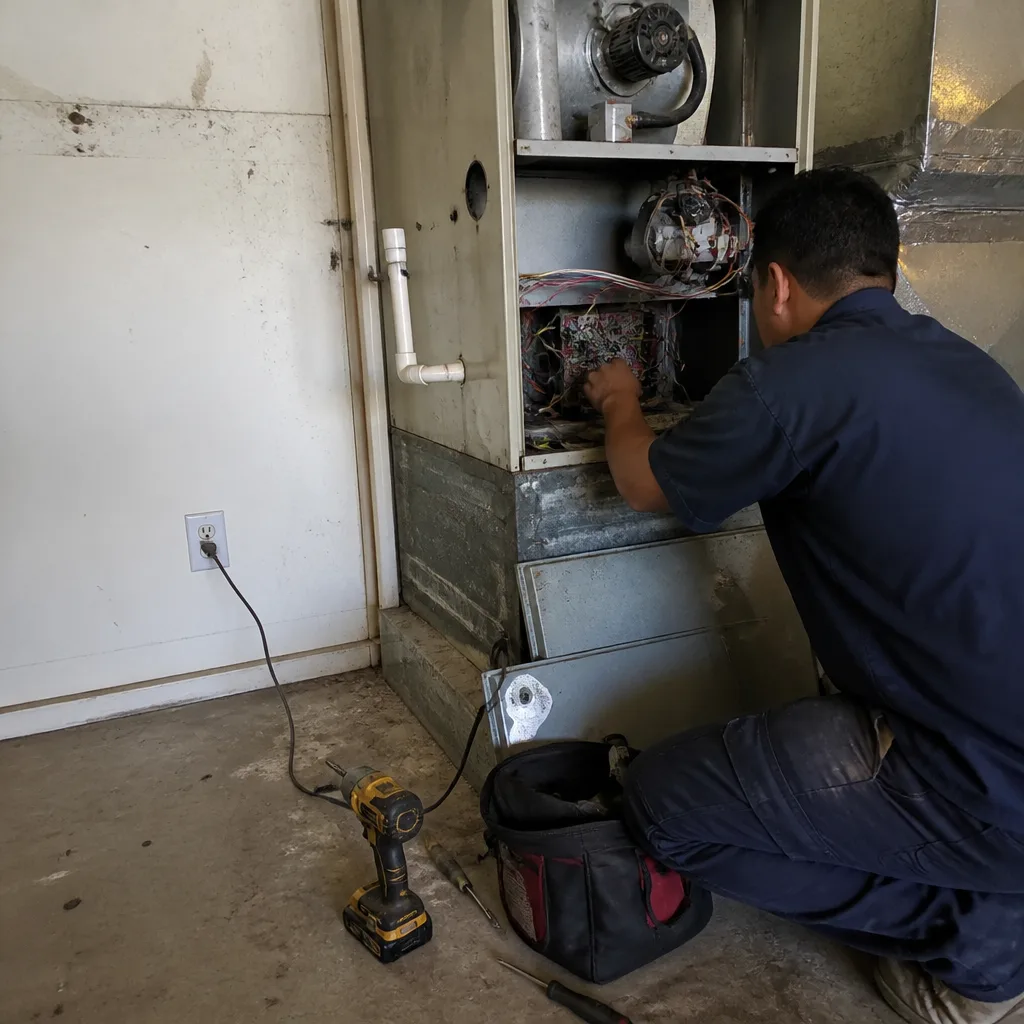 Before
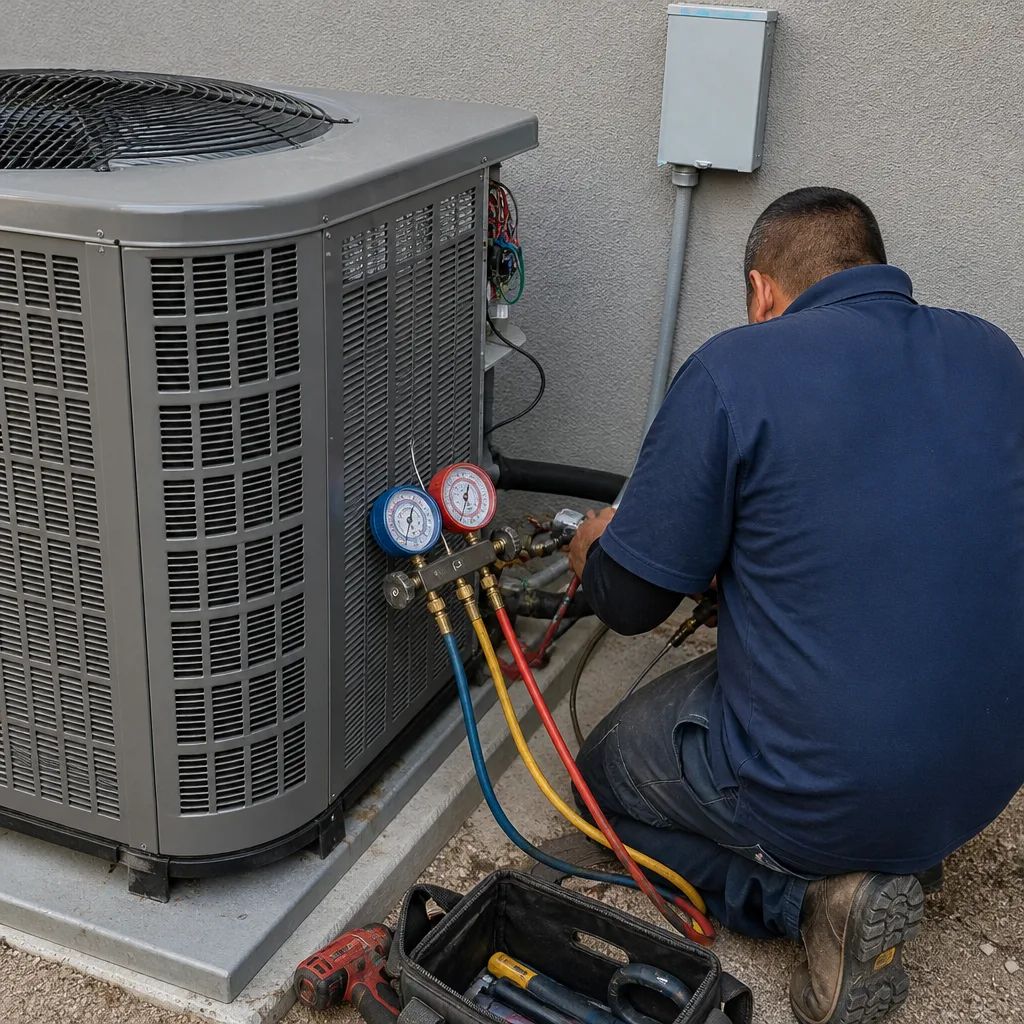 After
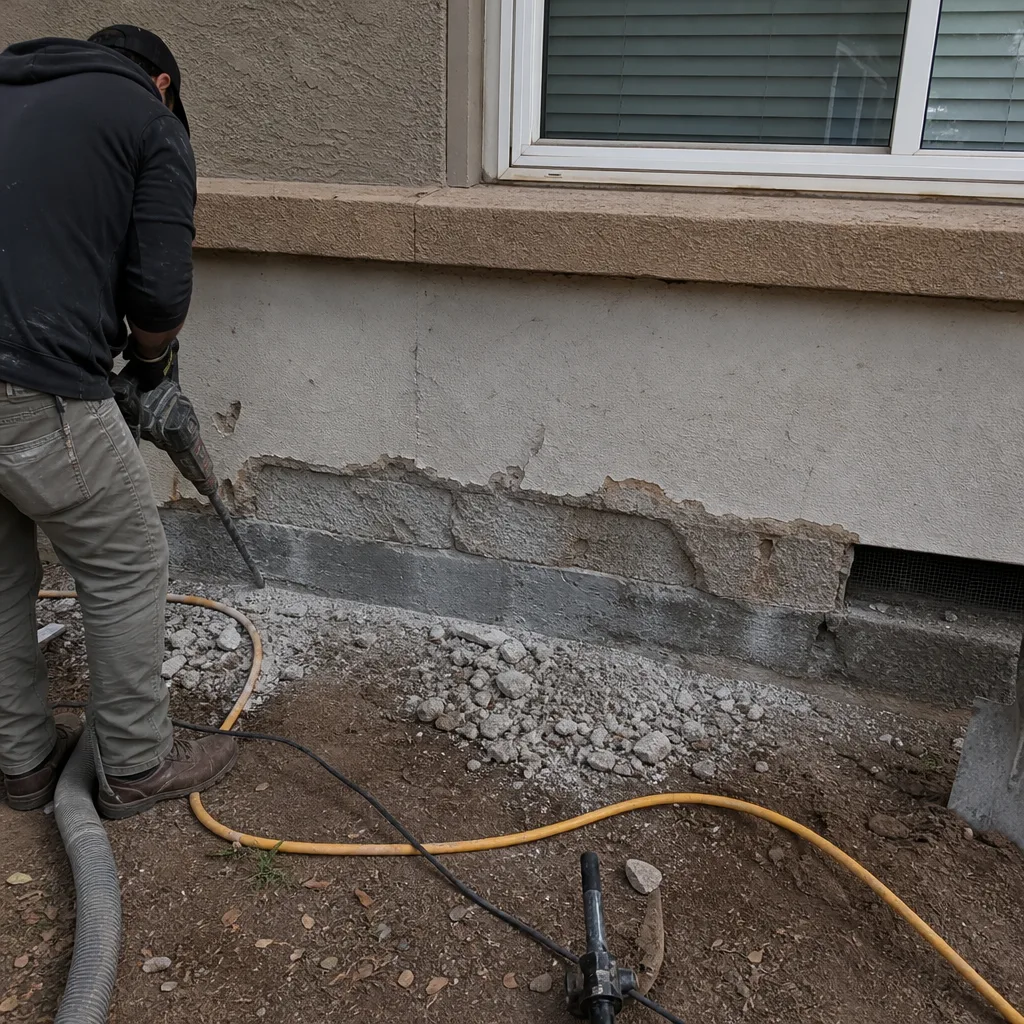 Before
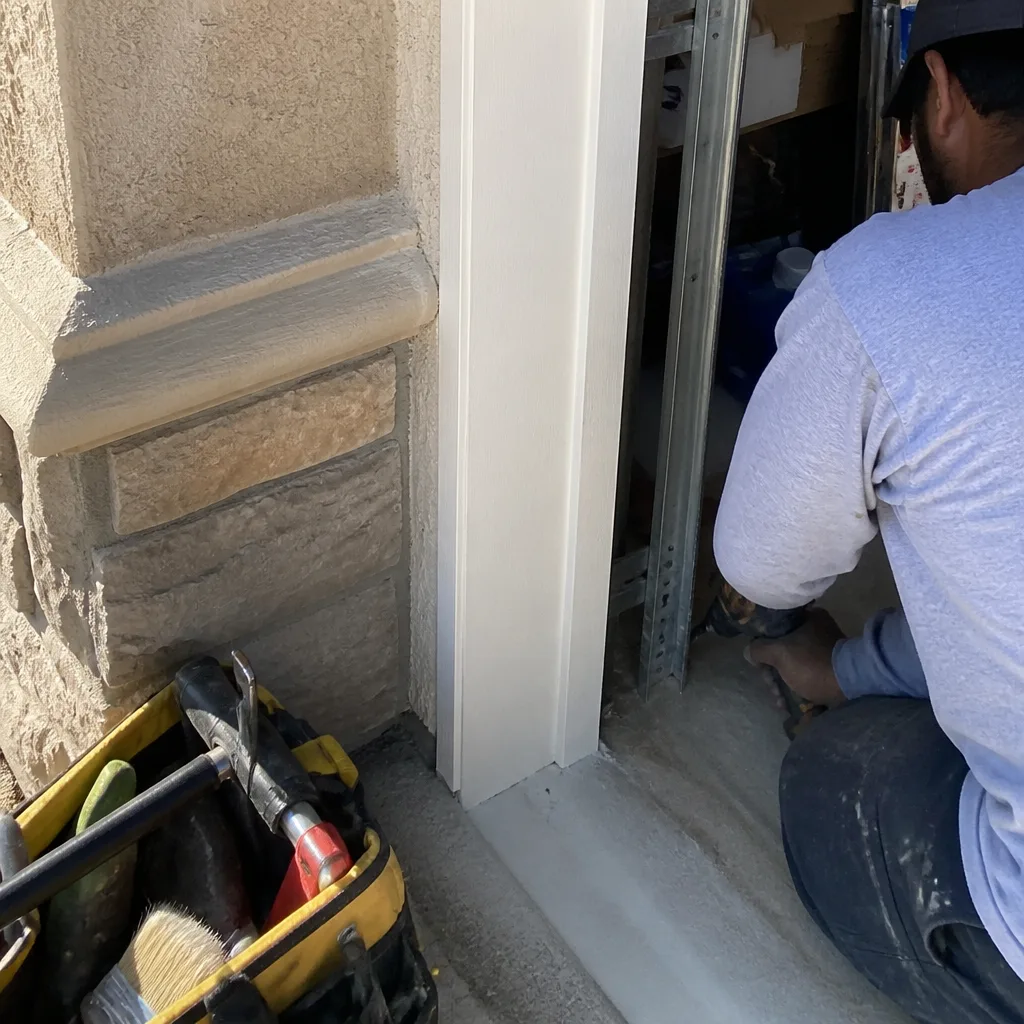 After
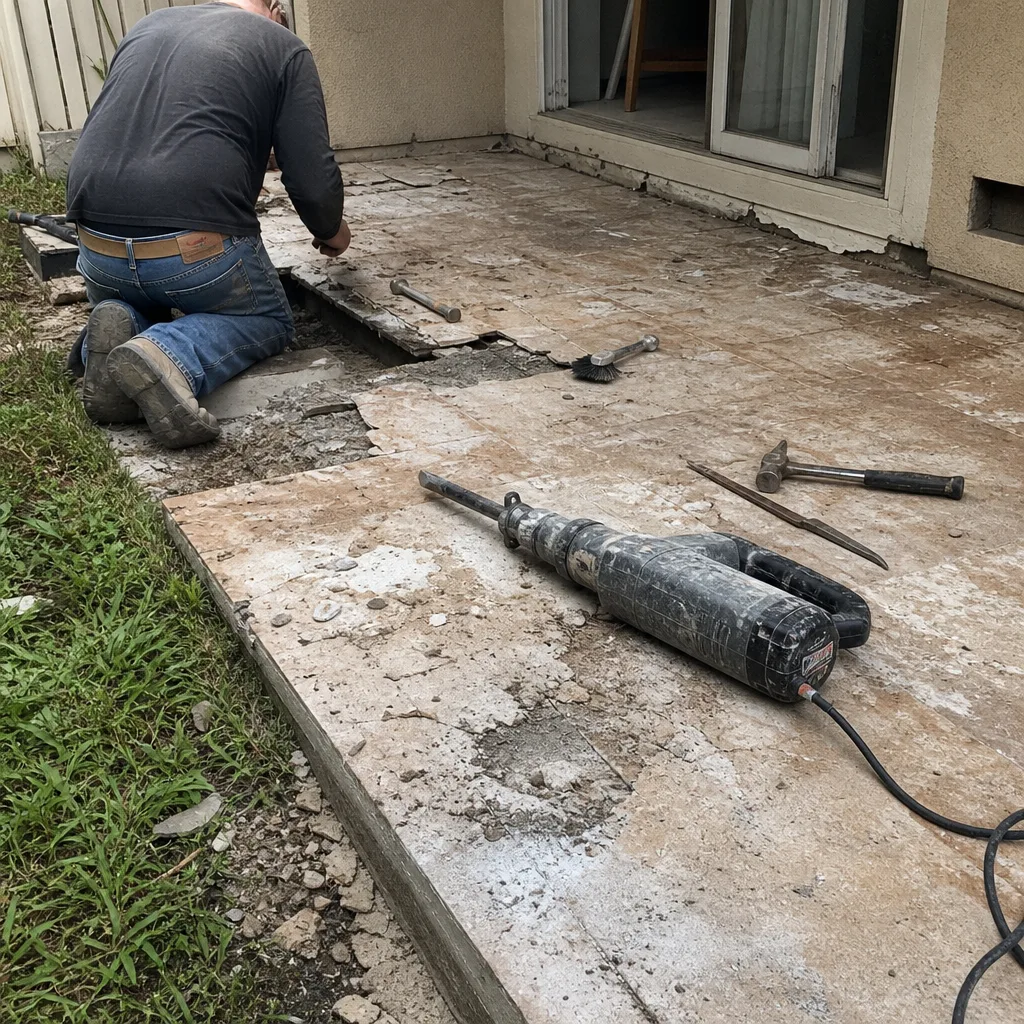 Before
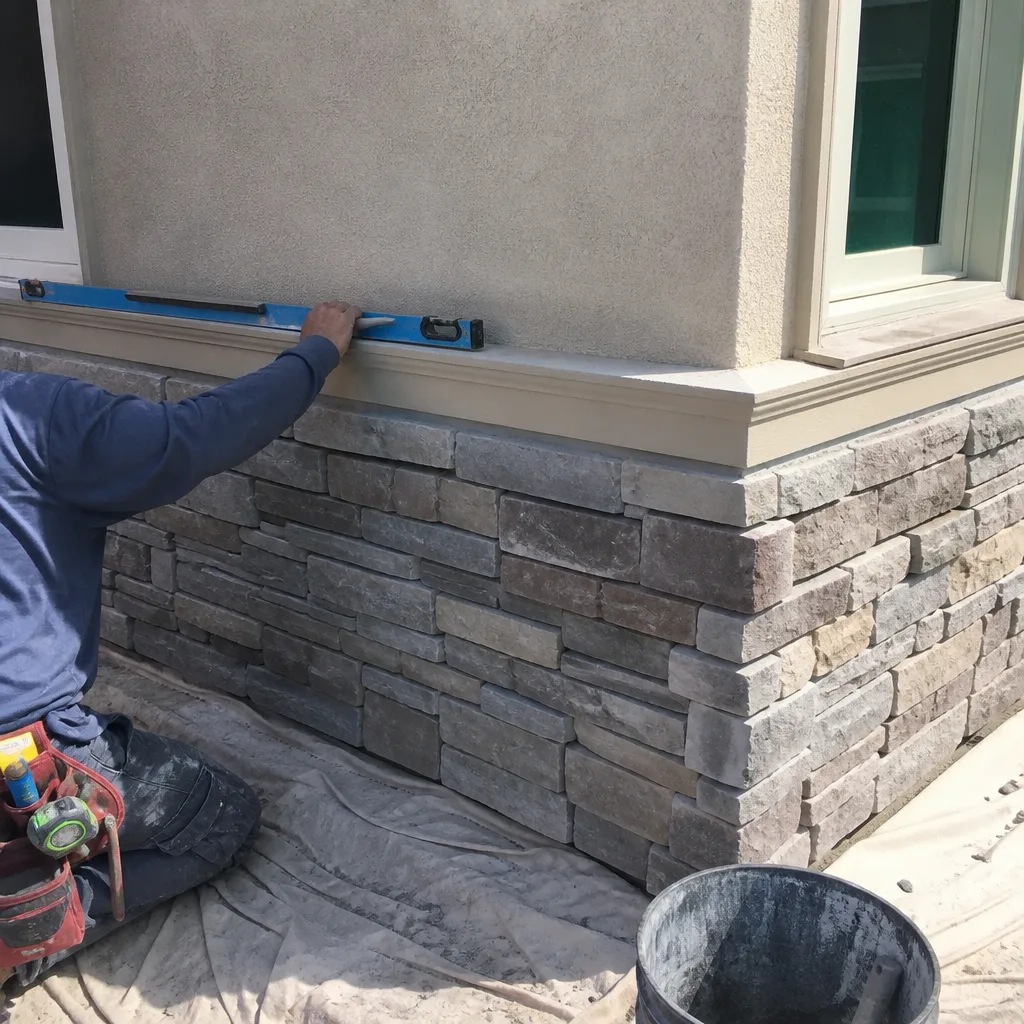 After