
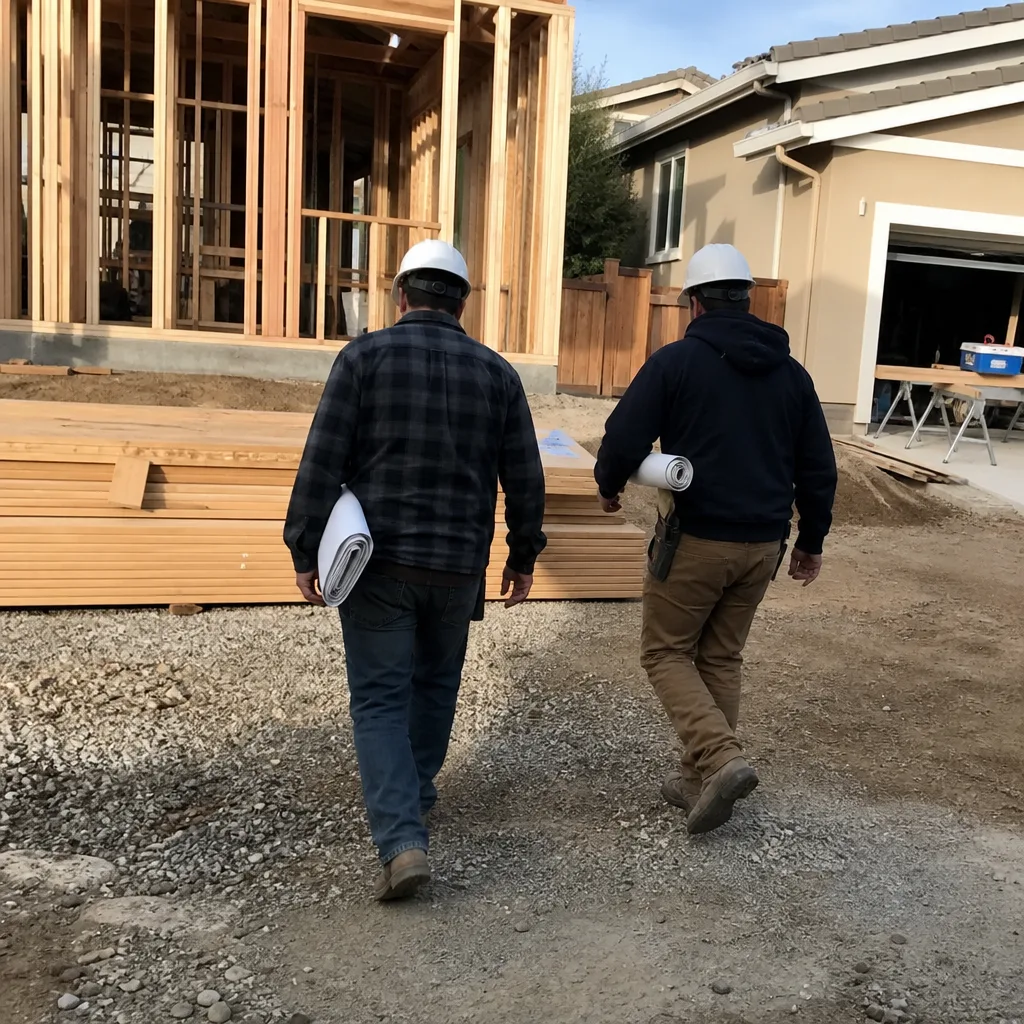
Last updated October 30, 2026
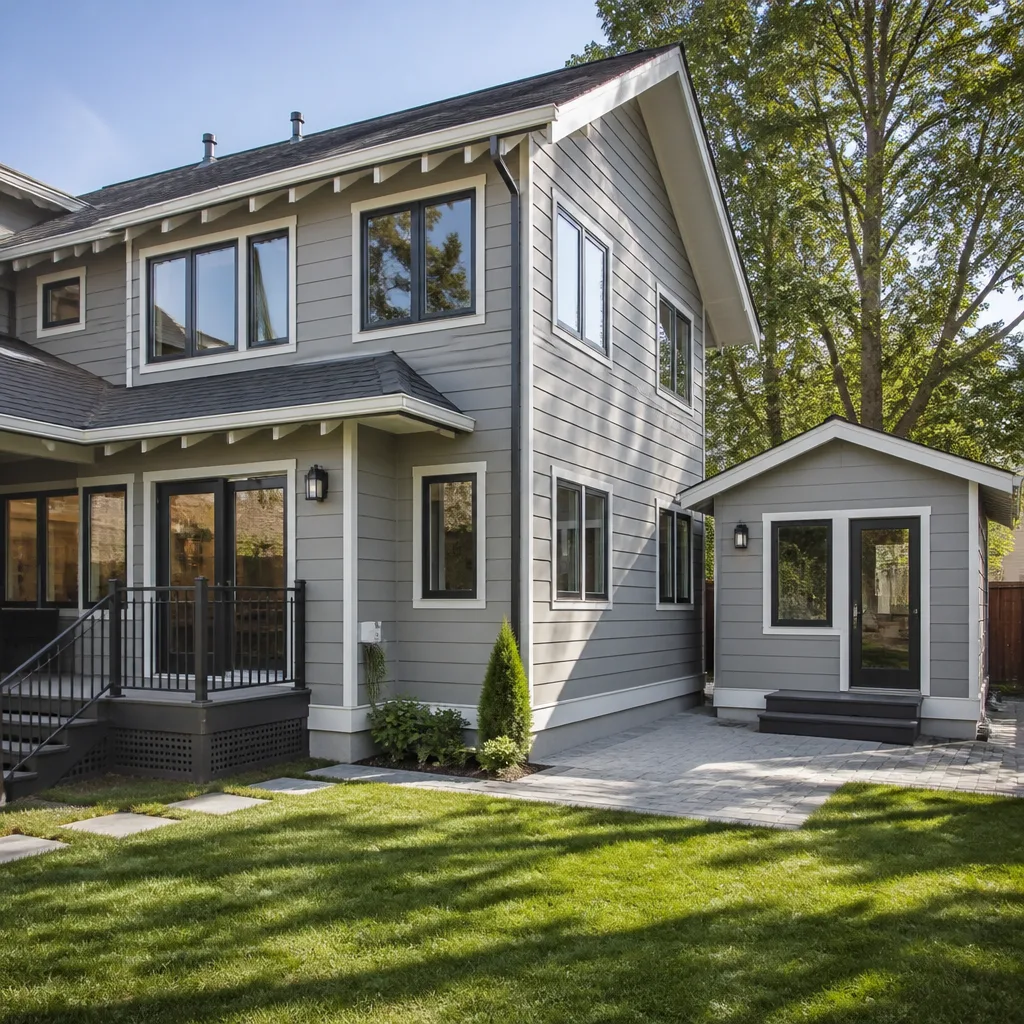 Home additions & ADU
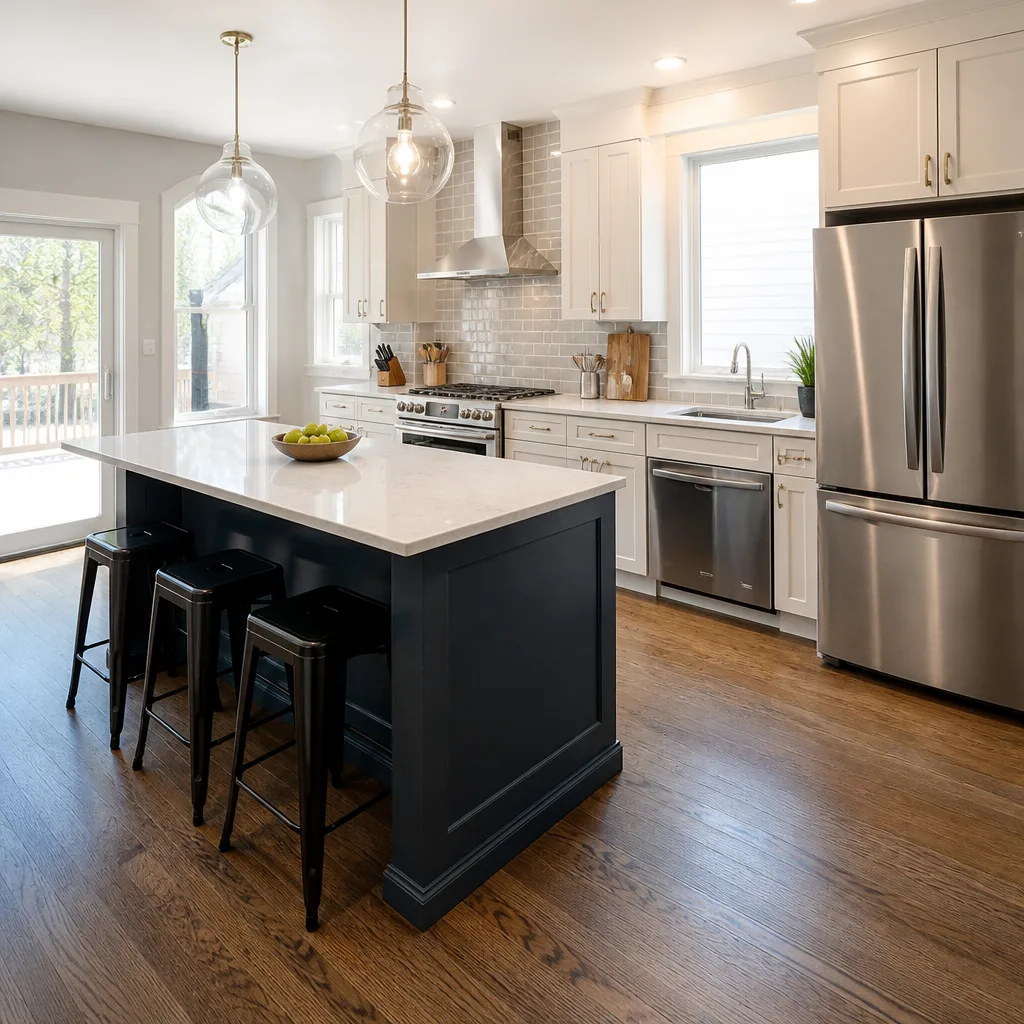 Kitchen remodeling
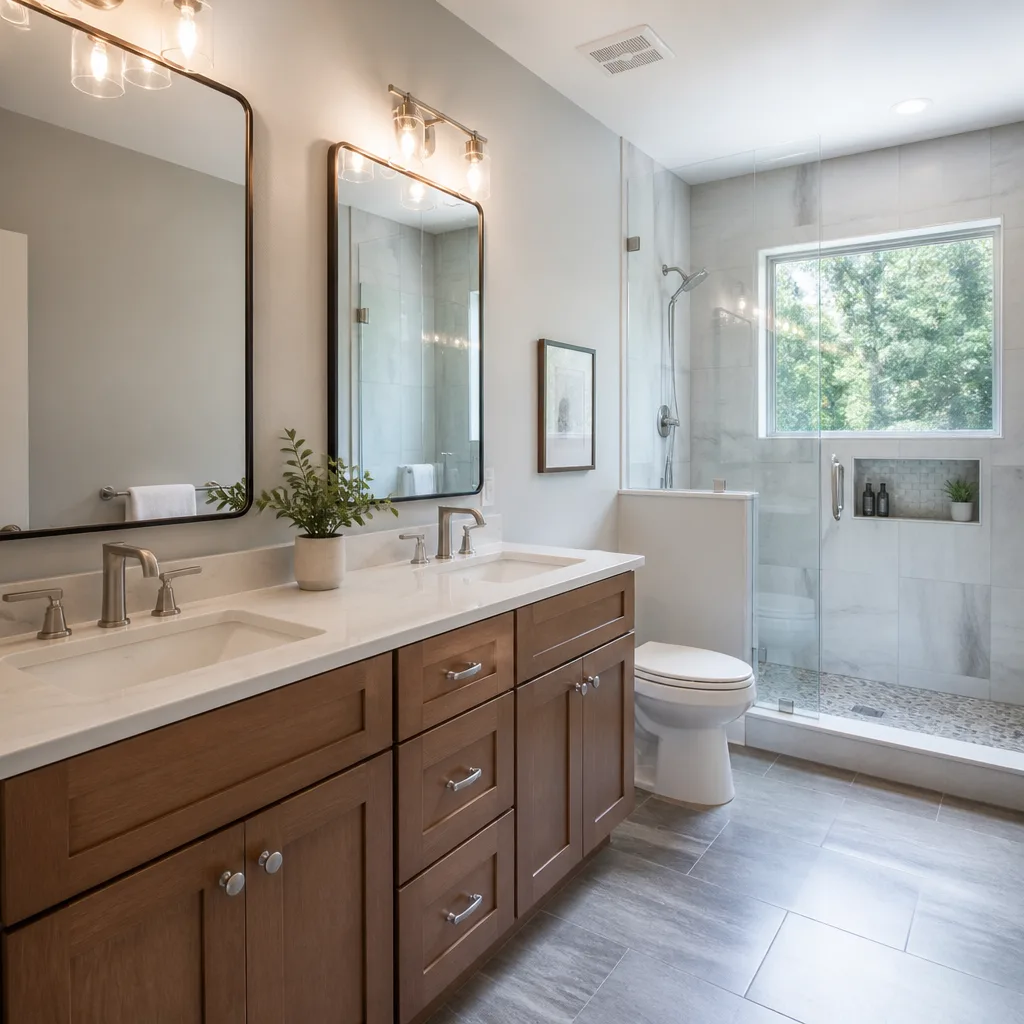 Bathroom remodeling
 Roofing
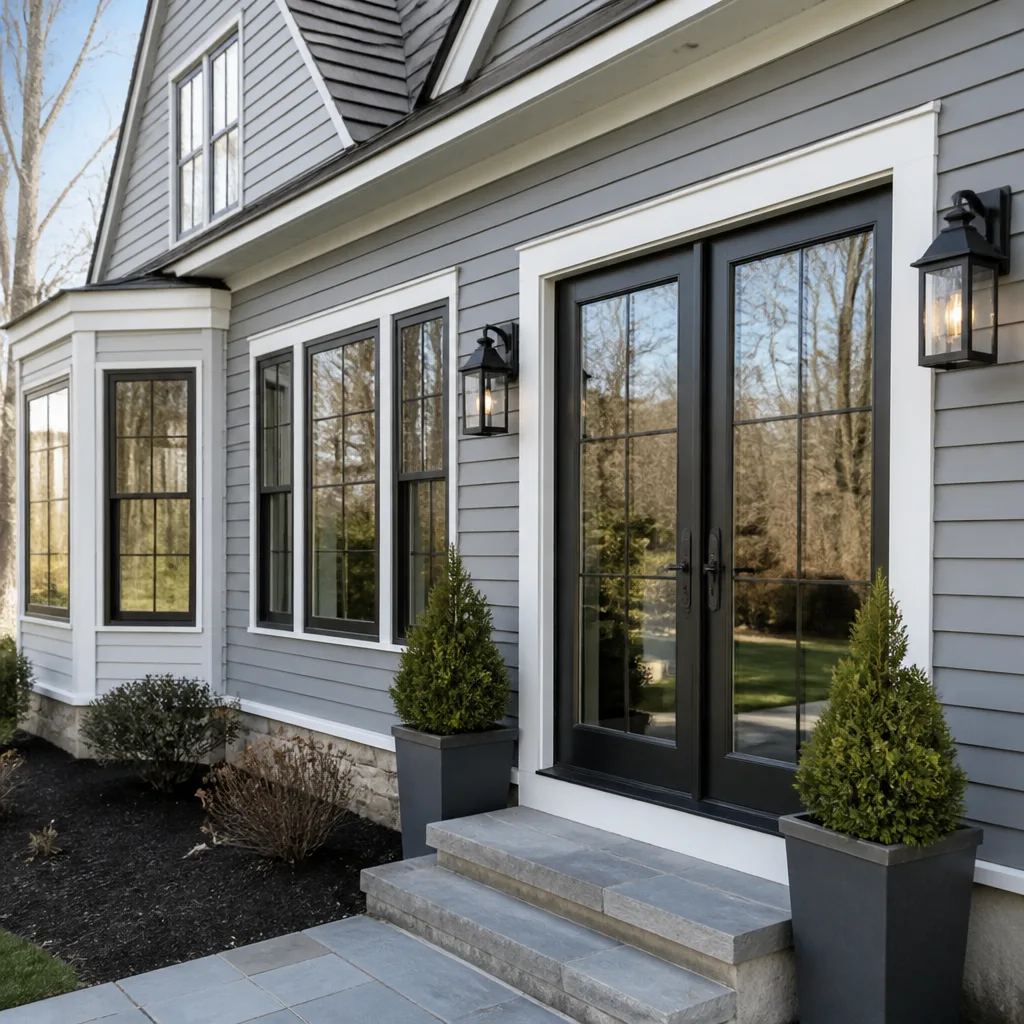 Windows & doors
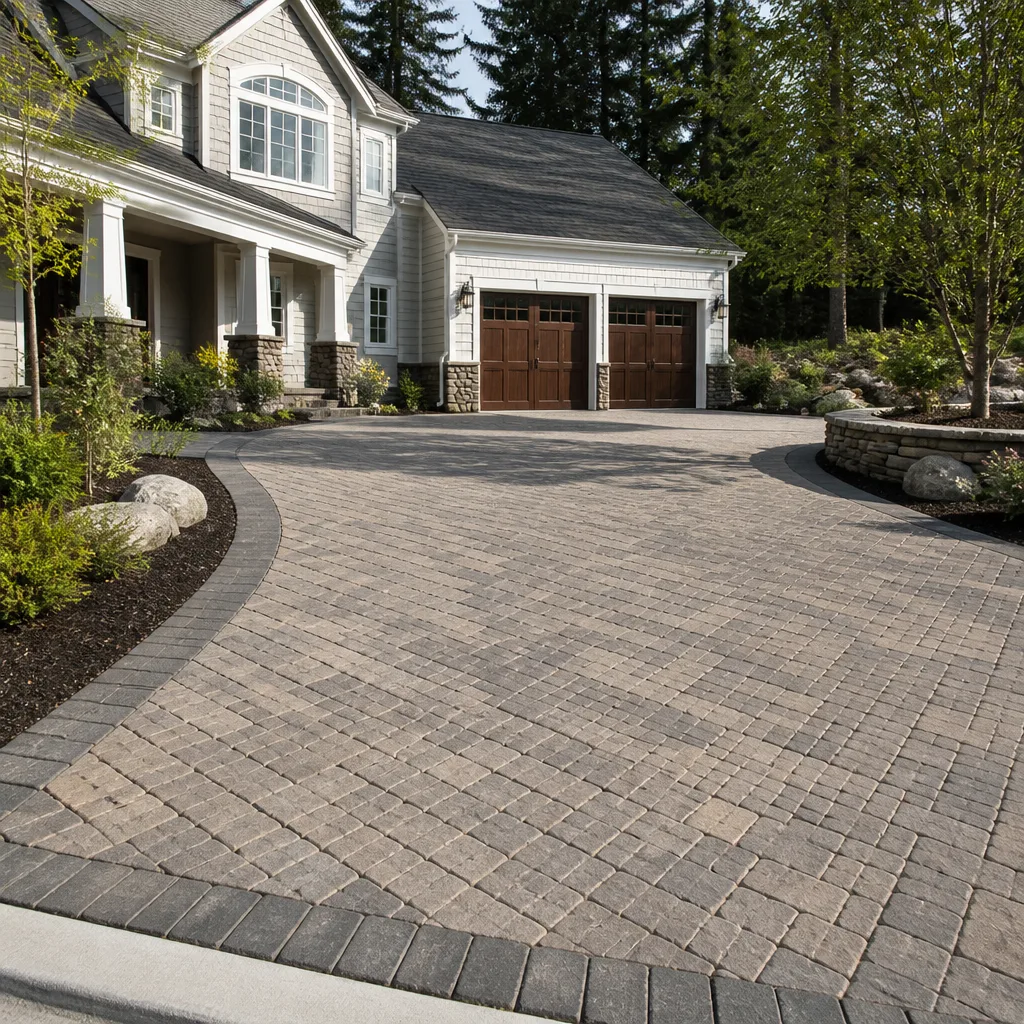 Driveway & pavers
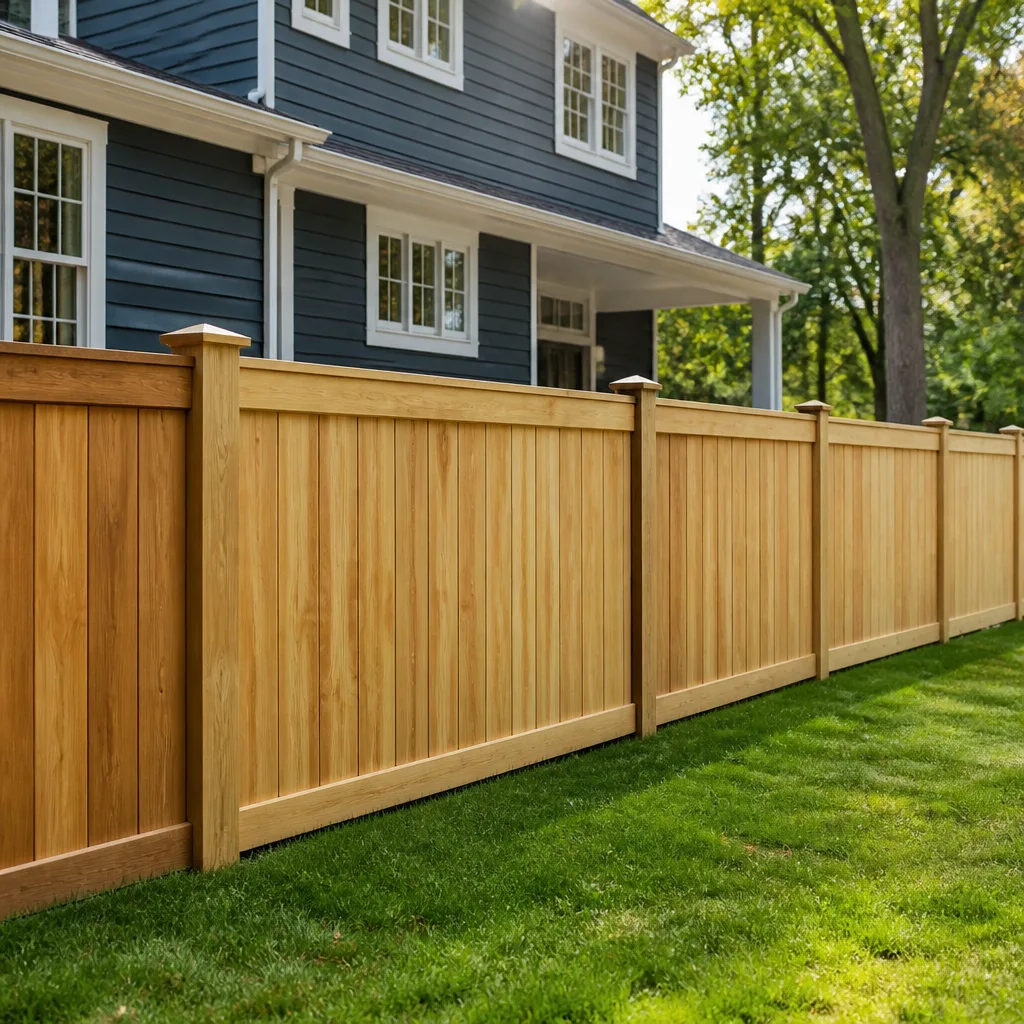 Fence
Free written scope consultation - allowances, timeline, and change-order rules on paper before a single trade is scheduled
DIY vs Professional Construction: The Murrieta Homeowner’s Decision Guide
California is one of the few states where a homeowner who performs their own unpermitted electrical work can have that work flagged during a sale, ordered to be opened up and inspected, and potentially torn out, regardless of whether it functions flawlessly. The state ties code compliance to permit records, not craftsmanship. This guide explains what actually separates DIY work from professional construction in Murrieta, why the California owner-builder permit is not the loophole many homeowners think it is, and where a smart middle ground exists. You’ll learn which projects genuinely reward a weekend effort and which ones become guaranteed liabilities at resale.
Quick Answer
For cosmetic work like interior painting, basic tile backsplashes, and minor landscaping, a careful DIY approach in Murrieta is reasonable. For anything touching structure, electrical, plumbing, HVAC, waterproofing, or the building envelope, California’s permitting and liability rules make professional construction the only financially rational choice in most cases. The real question is not whether you can physically complete the work but whether you can absorb the liability, disclosure, and insurance consequences that attach to it.
Styles & brands we work with
Table of Contents
- The California Owner-Builder Permit: What It Actually Does
- Murrieta Project Matrix: What’s DIY-Viable and What’s Not
- How DIY Work Affects Homeowner’s Insurance in California
- The Hidden Cost of DIY: Remediation Work We See Most Often
- The Hybrid Model: Doing Demo and Finish Work Yourself
- Resale Disclosure: What You’ll Have to Sign in Murrieta
- Real Cost Comparison: DIY Savings vs. Correction Expense
- How to Structure a Professional Contract in Murrieta
The California Owner-Builder Permit: What It Actually Does
The owner-builder permit in California allows a homeowner to act as their own general contractor on a project. You sign an owner-builder declaration with the City of Murrieta’s building department, and from that point forward, you assume legal responsibility for everything a licensed contractor would normally carry. Most homeowners read this as permission to save 15 to 20 percent on general contractor overhead. What it actually is: you becoming the contractor of record, which means you assume the liability of one.
Under California law, the owner-builder who improves a property and then sells it within a certain window can be treated as the builder for purposes of construction defect liability. That means if a future buyer discovers a framing problem, failing waterproofing, or an electrical fault tied to your work, they can name you personally in a defect claim. California courts have been clear on this. You are not just losing money on a bad job. You are taking on the legal exposure of a construction company without the licensing, insurance, or trade relationships that mitigate that exposure.
What the Owner-Builder Form Does Not Do
- It does not exempt you from code compliance. Murrieta’s inspectors hold owner-builder work to the same California Building Code standards as licensed work. You do not get a lower bar.
- It does not remove insurance requirements. You may need to carry your own workers’ compensation if you hire day laborers, even informally. Most homeowners discover this after an injury happens.
- It does not transfer manufacturer warranties. Products like fiber-cement siding, engineered roofing, and waterproofing membranes all carry installation specifications. Most manufacturers void material warranties when a non-trained installer performs the work.
- It does not change resale disclosure duties. You still must disclose all work, permitted or not, on the Transfer Disclosure Statement when you sell.
In our experience with home remodeling in Murrieta, the homeowners who get into trouble are rarely the ones who lack handyman skills. They are the ones who signed an owner-builder form without reading the liability clauses, then discovered the implications two or three years later when refinancing, selling, or filing a claim.
Murrieta Project Matrix: What’s DIY-Viable and What’s Not
Murrieta’s climate and housing stock shape what makes sense to do yourself. Our summers hit triple digits, our soil shifts seasonally, and many Murrieta homes sit on expansive soils that cause cosmetic cracks in drywall but can also telegraph structural issues. A project that is safe DIY in another state may not be here if it involves the building envelope, which has to handle heat, UV exposure, and the occasional monsoon-season downpour.
Projects That Reward a Careful DIY Approach
- Interior painting. Drywall repair and repainting are low-liability, high-satisfaction projects. Murrieta’s dry air means paint cures quickly, which also means you have less working time before roller marks set. Use a paint conditioner.
- Decorative tile backsplashes. In kitchens, a backsplash sits outside the wet zone of the shower and does not require a waterproofing system. A homeowner who takes time with layout can achieve professional results. Schluter makes user-friendly edge profiles that help.
- Baseboard and crown trim. This is finish work. If you can measure, cut, and caulk, you can do trim at high quality. Mistakes are cosmetic and easy to correct.
- Minor hardscape like walkways and small paver patios. Interlocking pavers from a brand like Belgard are designed for manageable installation when the base is done correctly. Keep it under a certain square footage and away from structures and drainage paths.
- Cabinet hardware and light fixture swaps within existing boxes. Replacing fixtures without moving electrical boxes is generally fine for a confident homeowner who turns off the breaker.
Projects Where DIY Creates Real Risk in Murrieta
- Any work on the building envelope. Roofing, siding, window replacement, exterior waterproofing. James Hardie fiber cement siding, for example, requires manufacturer-specified flashing details. Getting one joint wrong means water intrusion you won’t see for years.
- Electrical work beyond swapping a fixture. California code and your insurance policy both care deeply about this one. Even a panel upgrade that looks tidy can become a resale blocker if it is not on record.
- Plumbing beyond changing a supply line. Shower pans, drain relocation, water heater replacement. A slow leak inside a Murrieta wall cavity can mold before you notice anything. California disclosure forms force you to reveal known defects. Unknown defects do not protect you.
- Structural changes. Removing or altering any wall that may be load-bearing, enlarging openings, adding a door or window. A Sawzall and a weekend can create a repair bill in the tens of thousands.
- Shower waterproofing. This is the single most common DIY project we see done incorrectly in Murrieta. A tile shower that leaks behind the walls can go unnoticed for years and rot framing. By the time the floor shows it, the repair scope has grown significantly.
How DIY Work Affects Homeowner’s Insurance in California
Homeowner’s insurance policies in California are not uniform, but nearly all of them contain exclusion language related to unpermitted work, owner-installed systems, and latent defects. The claim denial usually comes as a surprise because the work looks fine and functions fine until it does not.
Let’s say you install your own water heater without a permit. A supply line fails while you’re at work, and water damages your kitchen. Your insurer may cover the water damage from the failed line. But if the adjuster or a forensic reviewer determines the damage stemmed from an installation error on an unpermitted fixture, the claim can be denied. More commonly, your insurer pays for the immediate damage and then non-renews your policy. In California, losing homeowner’s insurance through non-renewal puts you in the surplus lines market, where premiums often triple and coverage narrows.
Insurance Red Flags Created by DIY Work
- Unpermitted electrical upgrades. Panel upgrades, rewiring, added circuits. If a fire starts in an area served by unpermitted work, causation is easy for an insurer to argue.
- Owner-installed roofing. If a roofer is not licensed and you installed your own underlayment, storm damage claims often turn into long fights. Insurance companies know what amateur roof work looks like.
- DIY plumbing in slab foundations. Murrieta has many slab-on-grade homes. Cutting into a slab is structural work, and any leak tied to it becomes both a plumbing and foundation problem.
- Any work tied to a water feature, pool, or spa. Murrieta’s heat means pools are common. Owner-built pool equipment pads, bonding, or electrical create specific liability and code issues.
Before you start any project that touches MEP systems, call your insurance agent and ask a direct question: “If I do this myself and something fails, is the resulting damage covered?” Get the answer in writing. Most agents will not answer quickly because the answer is usually not good.
The Hidden Cost of DIY: Remediation Work We See Most Often
As a full-scope general contractor in Murrieta, we get called after the fact. A homeowner starts a project, gets in over their head, or finishes it and then a buyer’s inspection flags it. The work we then perform is rarely a continuation of their project. It is usually demolition of their work first, then a redo at full cost. That means the homeowner pays for the project twice: once in their own materials and labor, and once again for the licensed work that should have come first.
The Remediation Patterns We See Repeatedly in Murrieta
- Shower waterproofing tear-outs. The tile work looks fine. The water damage behind it is not. Once you open the wall and find wet framing, the repair scope expands to framing, insulation, and sometimes subfloor. A shower that would have cost $8,000 to $14,000 with proper Schluter waterproofing becomes a $25,000 to $40,000 rebuild.
- Owner-installed framing that fails inspection. A homeowner removes a “non-structural” wall that turns out to be holding a point load. The floor above sags. The fix involves temporary shoring, an engineered beam, and a permit. Engineering fees alone run several hundred dollars before any construction happens.
- DIY electrical that gets flagged at sale. The most common Murrieta scenario: a homeowner adds circuits to the garage for a workshop. Ten years later, they sell. The buyer’s inspector spots unpermitted wiring and writes it up. The transaction stalls until the seller pays to have the work opened, inspected, and corrected. Sometimes that means removing drywall and undoing everything that was done.
- Improper hardscape drainage. A paver patio installed without proper slope directs water toward the foundation. Five years later, the foundation shows settlement cracking. Now the paver patio has to come out, the grade has to be corrected, and the foundation has to be assessed. The patio project is the smallest line item on the repair bill.
- Owner-installed windows that leak. Replacing windows without proper flashing is common. Murrieta’s occasional heavy rain events are when the leaks show up. By then, framing and drywall have absorbed the moisture. Full window replacement with proper flashing from a manufacturer-aligned installer costs less than the water damage repair from a bad installation.
The pattern across all of these: the homeowner saved money on the original project, then spent three to five times those savings correcting the failure. That is not a DIY discount. That is a deferred payment with interest.
The Hybrid Model: Doing Demo and Finish Work Yourself
There is a rational middle ground between full DIY and writing a check for everything. The hybrid model works when responsibilities are split along liability lines: you perform work that cannot create a defect, and the contractor performs work that can.
How to Structure a Hybrid Project
- You handle pre-construction demo that does not affect structure. Removing cabinets, pulling up carpet, tearing out tile, removing baseboards. This is labor you can do safely, and it directly reduces the contractor’s labor hours. Get written confirmation on what you may remove and what must stay until the contractor evaluates it.
- The contractor handles all structural, MEP, waterproofing, and envelope work. This includes anything requiring a permit, any framing, any plumbing or electrical, all shower construction, all roofing and siding, and any window or door replacement. This is where the liability sits, and this is where you want a licensed contractor with insurance standing behind the work.
- You handle finish paint and cosmetic touches after inspection. Once the professional work passes inspection and the contractor completes their scope, you can take back the paintbrush. Painting walls, installing hardware, and applying trim caulk are low-risk. The key: finish work happens after final inspection, not before, so you never delay or complicate a permit sign-off.
- Get the split in the contract. If you’re working with a contractor on a hybrid basis, the contract needs a defined scope boundary. What they do, what you do, and when each party’s work happens. Without that written boundary, a problem in the handoff zone becomes an argument about who owned it.
The hybrid model works best on kitchen remodels, bathroom refreshes that keep the existing footprint, and cosmetic updates. It breaks down quickly on home renovation projects in Murrieta that involve moving walls, relocating plumbing, or changing the building envelope. At Pinecrest Contractors, we regularly work with homeowners who want to save on demo and final paint, and we structure the contract so everyone knows exactly where the liability line sits. That clarity protects both sides.
Resale Disclosure: What You’ll Have to Sign in Murrieta
California’s transfer disclosure requirements are among the strictest in the country. When you sell a Murrieta property, you will complete a Transfer Disclosure Statement, and you will answer questions about improvements, repairs, and known defects. You do not get to say “I didn’t ask.” The form asks. You answer.
If you performed unpermitted electrical work, added a room, or converted a garage without permits, and you fail to disclose it, you have created a cause of action for the buyer after close. The buyer can come back for the cost of correcting the work, and in many cases, they can also recover their own attorney’s fees. The disclosure is not an invitation to a discount. It is a legal obligation that follows the property for the life of your ownership and beyond.
What Murrieta Sellers Commonly Get Wrong
- Assuming cosmetic work does not need disclosure. It does. Any material fact that affects value or desirability must be disclosed. If your DIY paint job is peeling and you cover it before listing, the buyer can still ask when you last painted and what you observed underneath.
- Believing that work predating your ownership is irrelevant. You must disclose what you know, including knowledge of previous unpermitted work if you became aware of it after buying.
- Failing to pull permits for work that required them. Murrieta’s building department maintains permit records. A buyer can pull the property’s permit history during escrow. Missing permits for improvements that required them will come up.
- Relying on verbal assurances from a trusted handyman. Handymen in California cannot legally perform work valued over $500 including labor and materials without a contractor’s license. Work done by an unlicensed person and then sold as part of the property is a disclosure minefield.
Real Cost Comparison: DIY Savings vs. Correction Expense
Below is a grounded look at what a few common Murrieta projects cost as DIY work versus professional work, and what the correction costs look like when DIY goes wrong. These are ranges based on current Murrieta market conditions, not national averages.
Kitchen Backsplash Tile
- DIY cost: $400 to $900 in materials and tools, 2 to 3 weekends.
- Professional cost: $1,500 to $2,800 including materials and labor.
- Correction risk if DIY fails: Low. Mistakes are cosmetic. You can re-tile over a weekend.
- Verdict: Reasonable DIY project for a patient homeowner.
Bathroom Shower Replacement
- DIY cost: $2,500 to $5,000 in materials, 3 to 4 weekends, and no warranty on waterproofing.
- Professional cost: $8,000 to $14,000 with Schluter waterproofing system and manufacturer-aligned installation.
- Correction risk if DIY fails: $25,000 to $40,000 to open up the wall, correct framing, rebuild the waterproofing, and re-tile. This is not rare. This is the most common remediation we see.
- Verdict: Hire a professional. The asymmetry between upfront savings and downstream risk is extreme.
Interior Paint
- DIY cost: $200 to $500 in paint and supplies, one full weekend per room.
- Professional cost: $600 to $1,200 per room including prep and materials.
- Correction risk if DIY fails: Minimal. Bad paint gets painted over.
- Verdict: Strong DIY candidate, especially on ceilings and walls.
Electrical Panel Upgrade
- DIY cost: $1,200 to $2,000 in parts, dozens of hours, and you will not get a permit signed off without a licensed electrician’s involvement.
- Professional cost: $3,500 to $6,000 including permit, labor, and inspection.
- Correction risk if DIY fails: A fire tied to unpermitted electrical work becomes an insurance claim denial and a resale blocker. Potentially six figures in damage and lost sale value.
- Verdict: Not a DIY project, ever. Murrieta’s inspectors will not sign off on an owner-installed panel unless a licensed electrician is involved anyway.
Paver Patio (Small, Under 200 Square Feet)
- DIY cost: $800 to $1,800 in pavers, base material, and tool rental, 2 to 3 weekends.
- Professional cost: $3,000 to $6,000 with a proper base and drainage plan.
- Correction risk if DIY fails: Moderate. A failing base means redoing the whole patio. If drainage was wrong and water went toward the foundation, the correction cost grows significantly.
- Verdict: DIY-viable if you follow base preparation specs precisely. Schluter-comparable rigor applies: the top layer is only as good as what sits beneath it.
How to Structure a Professional Contract in Murrieta
If you decide professional construction is the right route for your project, knowing how to hire a construction contractor in Murrieta matters more than the price. A good contract creates clarity. A vague one creates the conditions for change orders, disputes, and a project that stalls.
What a Professional Contract Should Include
- Defined scope with material selection. The contract should name specific products and brands. We show clients options across brands like Cambria and Silestone for countertops, KraftMaid and Wellborn for cabinetry, and explain the cost and performance trade-offs. “We’ll show you the options” is not a sales tactic. It is how you make an informed decision on a five-figure project.
- Permit responsibility. Who pulls the permit, who schedules inspections, and what happens if an inspection fails. A full-scope contractor handles this entirely. A homeowner acting as owner-builder handles it themselves. There is no third option that leaves you protected.
- Payment schedule tied to milestones. California law limits down payments for home improvement contracts. Payment should follow completed milestones, not a calendar, and the final payment should be held until final inspection and punch list completion.
- Change order procedure. Written change orders with pricing before the work changes. If the contractor does work first and prices it later, the homeowner has lost their leverage.
- Warranty language. What is covered, for how long, and what the contractor will do if a warranty issue arises. Workmanship warranties vary by contractor. Manufacturer warranties on products like James Hardie siding only apply when a manufacturer-aligned installer does the work.
- Insurance verification. Ask for the contractor’s certificate of insurance. Verify it is current. This is not an insult. A licensed contractor with genuine insurance coverage will provide it on request.
At Pinecrest Contractors, we handle kitchens, bathrooms, roofing, siding, windows, hardscaping, fencing, and ADU structures under one contract. That single-contractor accountability means when something needs coordination between trades, there is no finger-pointing between separate companies. One contractor, every system. Your project, coordinated.
Common Mistakes to Avoid
- Starting before pulling the permit. Murrieta’s building department processes permits on a defined timeline. Starting work before the permit is issued can trigger a stop-work order, re-inspection fees, and in some cases, fines. The city does not look kindly on work that begins before approval.
- Assuming a handyman can legally do the work. In California, unlicensed individuals cannot perform contracting work valued over $500 including labor and materials. If a handyman quotes you work above that threshold, they are operating outside the law, and you have no contractor’s license board to pursue if something goes wrong.
- Treating material cost as the total cost. The DIY budget usually counts materials and maybe a tool or two. What it misses: demolition, disposal, the value of your own time, and the cost of correcting mistakes. The professional quote includes those. Comparing DIY material cost to a full professional quote is comparing two different projects.
- Ignoring the manufacturer’s installation requirements. When you install a product outside its manufacturer’s spec, you lose the material warranty. Some products, like fiber-cement siding, also have code-level implications for improper installation. You are not just voiding a warranty. You are creating a defective installation.
- Skipping the drainage analysis. In Murrieta, hardscaping and foundation issues often trace back to water. If you are doing any exterior project, you need to know where water goes before you add hard surfaces. Improper drainage from a homeowner-installed patio is one of the most common sources of foundation problems we see.
- Not reading the owner-builder form before signing it. The form is a legal document, not a procedural formality. It assigns you construction defect liability. Read it. Understand it. Ask a real estate attorney to explain the implications if you are unsure.
- Underestimating the time sink. A bathroom remodel done nights and weekends often stretches across six months or more. During that time, your bathroom is out of service, your house is in disarray, and your project is inflating in scope. Time is a cost. Budget for it honestly.
See the difference
 Before
 After
 Before
 After
 Before
 After
When to Call a Professional
Call a professional when the project touches anything structural, any MEP system, any waterproofing, or the building envelope. That includes roof work, window replacement, siding, shower construction, any plumbing beyond a supply line, any electrical beyond a fixture swap, any wall removal, and any foundation work. Also call when the project requires a permit and you do not want to become the contractor of record with all the liability that carries. Pinecrest Contractors offers free estimates in Murrieta, and we are straightforward about which projects genuinely reward a DIY approach and which ones do not. For a deeper look at protecting your investment, see our General Contractor Maintenance Checklist for Murrieta Homeowners. Call (855) 702-1622 and ask us directly. You will get a candid answer, not a sales pitch.
Frequently Asked Questions
A mid-range kitchen remodel in Murrieta typically runs $35,000 to $75,000 depending on cabinet selection, countertop material, and whether plumbing or electrical moves. KraftMaid cabinetry and Silestone quartz sit at a value-conscious tier, while Wellborn cabinetry and Cambria quartz push toward the premium end. Call (855) 702-1622 for a line-item estimate on your specific scope.
It should not, if the contract is written correctly. A professional contract defines scope, materials, and change order procedures before work begins. Price changes should only occur when you choose to change the scope. If a contractor regularly changes pricing mid-project, the contract was not specific enough. Ask for defined scope and written change order pricing before you sign.
Pinecrest Contractors handles permitting for every project where a permit is required. We pull permits through the City of Murrieta, schedule inspections, and manage corrections if any are flagged. You do not become the contractor of record, and you do not carry the permit liability.
Yes, on specific items. Non-structural demo like cabinet removal, carpet pull-up, and tile tear-out is generally fine for a careful homeowner. Finish painting after final inspection is also reasonable. The contract should define exactly what you handle and what the contractor handles so liability lines stay clear. Call (855) 702-1622 to talk through a hybrid scope.
A professionally managed bathroom remodel in Murrieta typically takes 3 to 6 weeks depending on scope, material lead times, and inspection scheduling. A homeowner doing the same project on nights and weekends often takes 4 to 6 months. Time is a real cost, especially when the bathroom is your only working bath.
You must disclose unpermitted work on the Transfer Disclosure Statement. Failing to do so exposes you to post-sale claims from the buyer. Common outcomes include the buyer demanding repairs before close, a price reduction at the negotiating table, or a lawsuit after close if the work surfaces later. The cleanest path is to correct unpermitted work before listing.
The Bottom Line
DIY construction in Murrieta is not a question of whether you can do the work. It is a question of what you take on when you do. California ties code compliance to permit records, not craftsmanship, and a homeowner who acts as their own builder assumes liability that most people do not understand until they are signing a disclosure or facing a claim denial. Cosmetic work rewards a careful DIY effort. Everything else rewards a licensed professional. The hybrid model, where you handle demo and finish paint and a contractor handles structure, MEP, and permits, works for many Murrieta homeowners and protects everyone involved. If you are weighing a project, explore our more guides & resources or call (855) 702-1622 for a candid conversation about what it will really take. Estimates are free, and the advice is direct.
Written by the team at Pinecrest Contractors, serving Murrieta since 2014.