

Last updated October 30, 2026
 Home additions & ADU
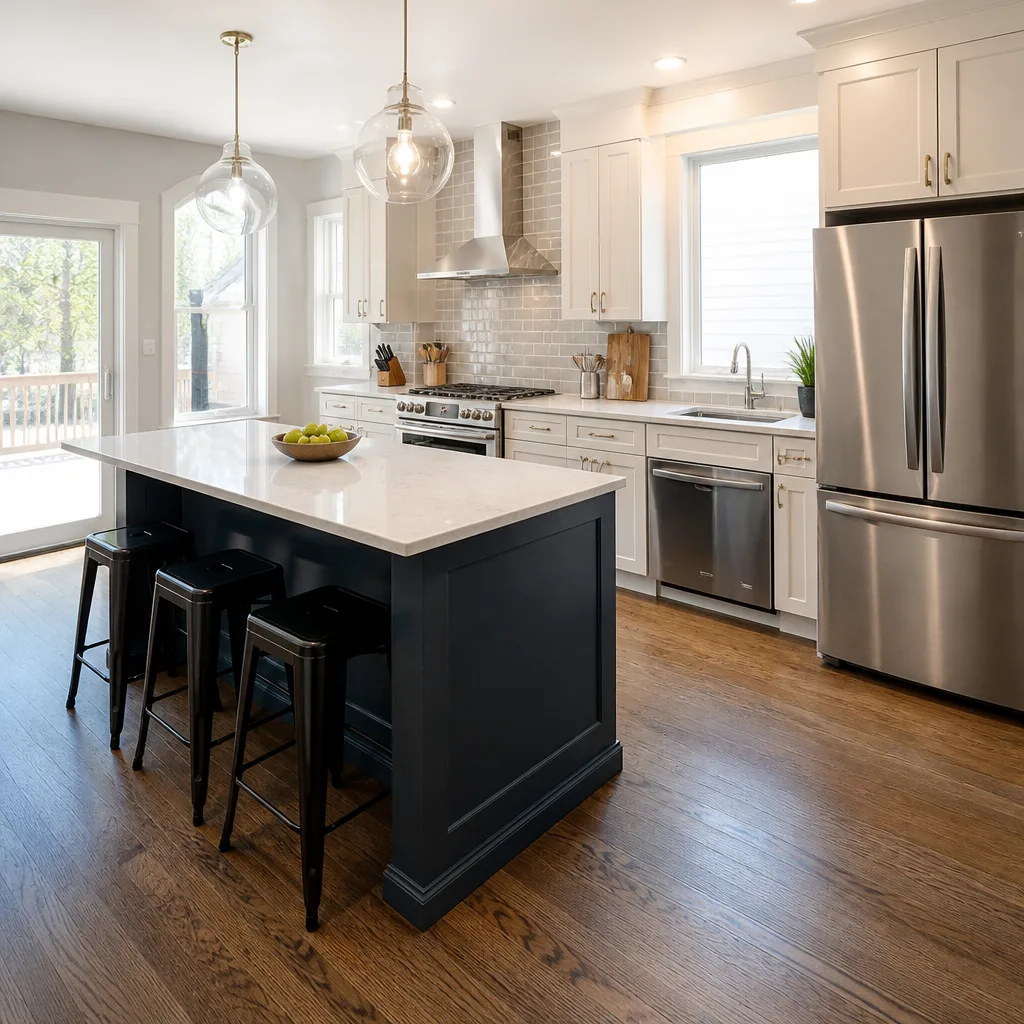 Kitchen remodeling
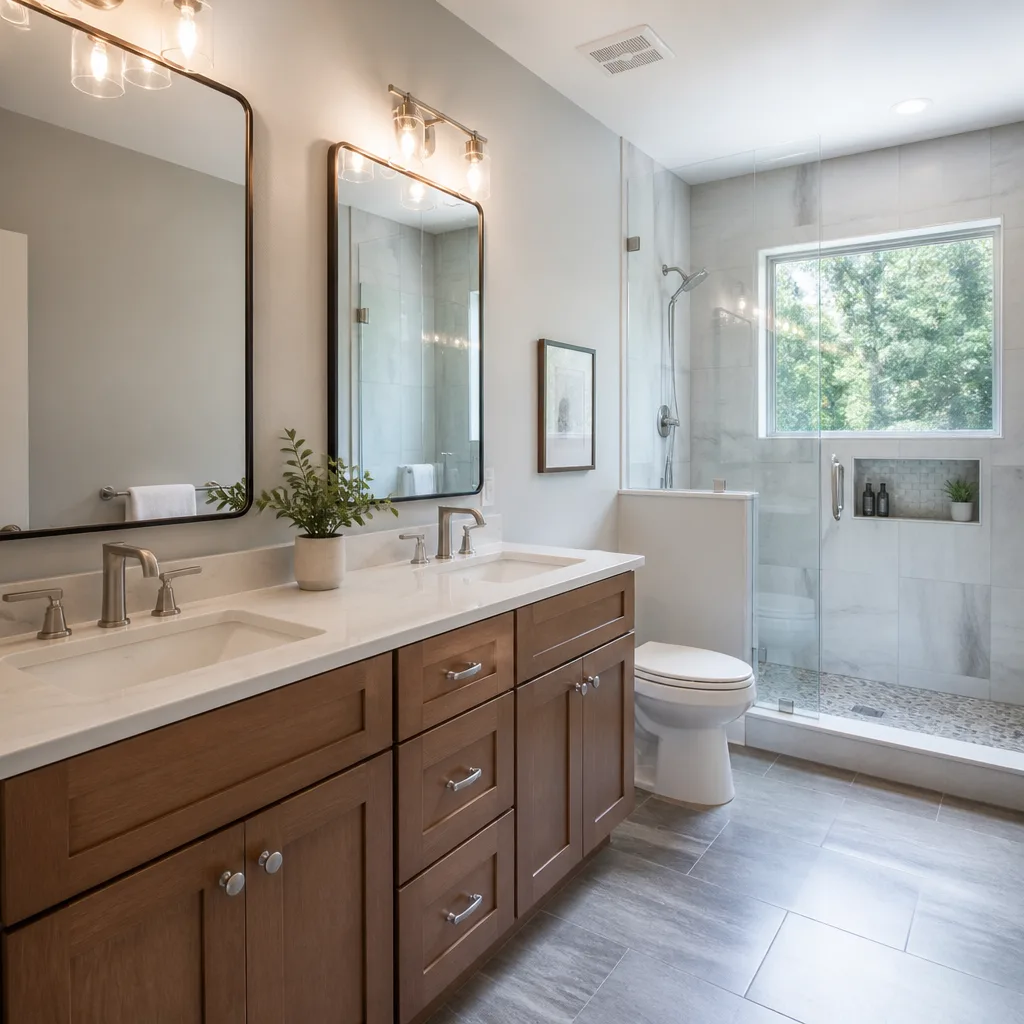 Bathroom remodeling
 Roofing
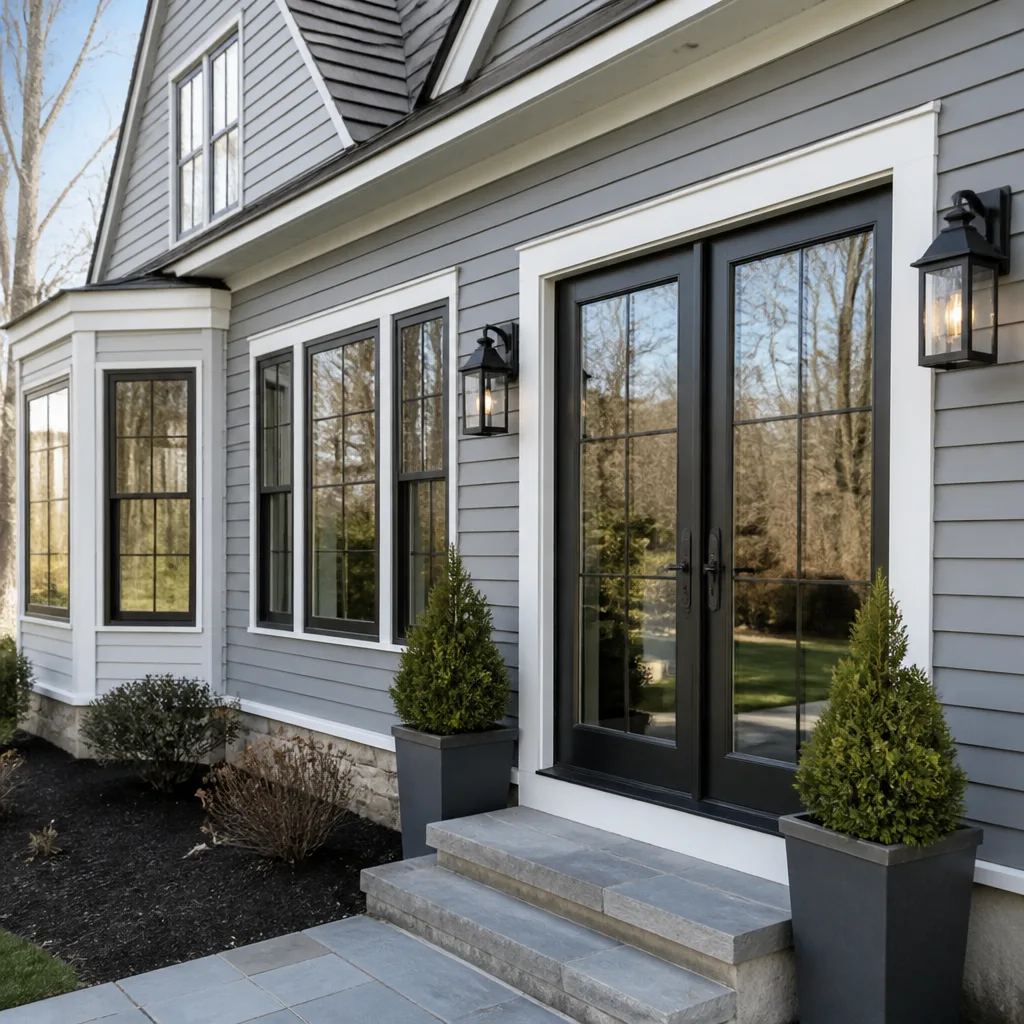 Windows & doors
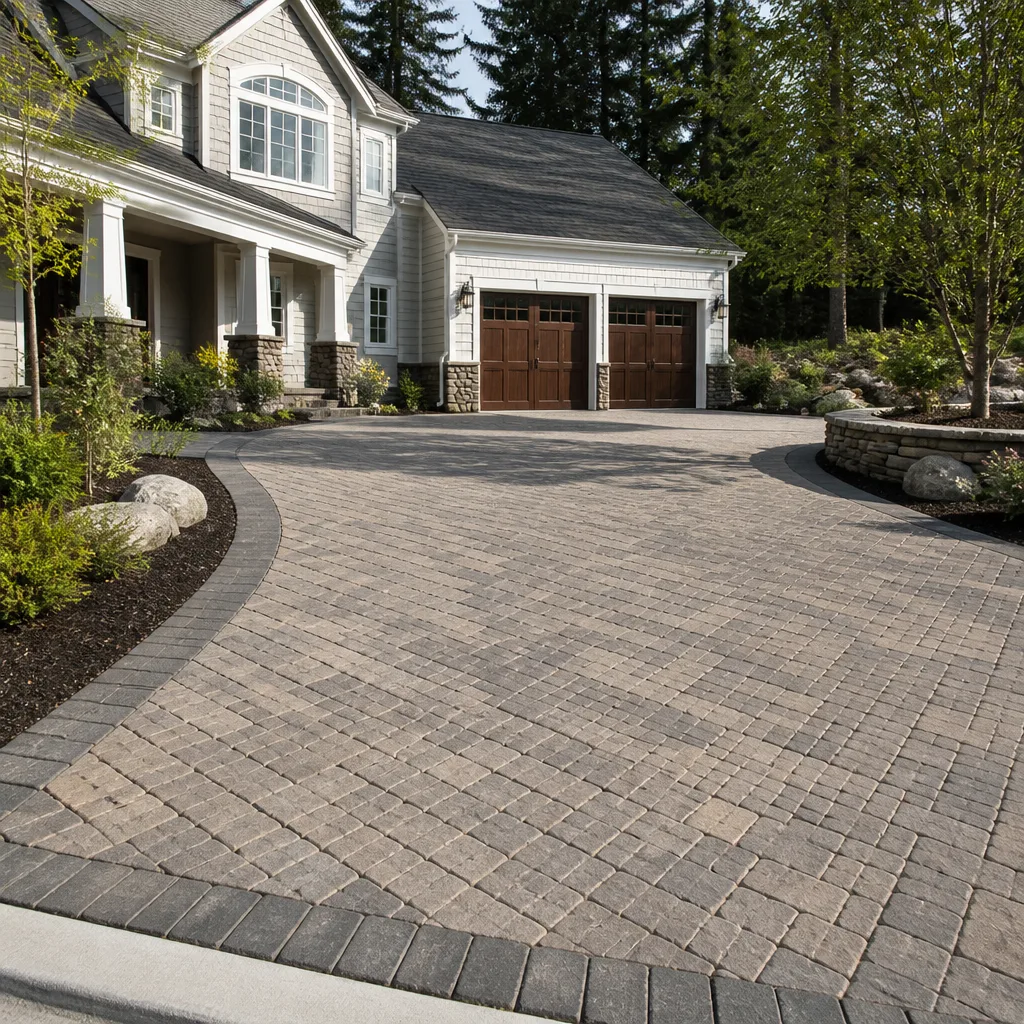 Driveway & pavers
 Fence
Free written scope consultation - allowances, timeline, and change-order rules on paper before a single trade is scheduled
The Complete General Contractor Guide for Murrieta Homeowners
A general contractor who can’t pull their own permits or source their own materials isn’t really a general contractor – they’re a middleman with a license. That distinction costs Murrieta homeowners thousands of dollars every year in change orders, scheduling blowouts, and warranty finger-pointing. Our Complete Guide to Construction in Murrieta maps every decision a true full-scope GC makes, so you can evaluate any contractor against a concrete standard before you sign anything.
Styles & brands we work with
Quick Answer
A qualified general contractor in Murrieta, CA should hold a California B-General Building license, maintain active insurance and bond, and directly manage permits, materials, and trades – not just coordinate invoices from subcontractors. The best GCs operate under a single contract covering every trade, from roofing to cabinets, and can explain Murrieta’s permitting process without hesitating.
Table of Contents
- What “Full-Scope” Actually Means for a Murrieta GC
- Murrieta Permitting: City vs. County Jurisdiction
- How to Verify a California GC License the Right Way
- Who Really Controls Your Materials: GC vs. Vendor List
- Reading a Scope of Work: Where Change Orders Hide
- Brand Decisions Your GC Should Walk You Through
- 12 Questions to Ask Any Murrieta General Contractor
- Common Mistakes to Avoid
- When to Call a Professional
- Frequently Asked Questions
- The Bottom Line
What “Full-Scope” Actually Means for a Murrieta GC
Most homeowners think “general contractor” means the person who shows up with a hammer. In reality, the GC’s job is orchestration: sequencing trades, verifying work, enforcing code compliance, and absorbing liability when something goes wrong. The question is how much of that orchestration the GC actually owns.
There are two distinct models operating in Murrieta right now:
- The Coordinator Model: The GC subcontracts every trade – framing, electrical, plumbing, drywall, tile, paint – and their role is scheduling and invoicing. When the tile sub points at the waterproofing sub and the waterproofing sub points at the plumber, you’re standing in the middle holding a punch list nobody owns.
- The Full-Scope Model: The GC employs or directly controls teams across disciplines, pulls every permit, orders every material, and stands behind the entire job under one contract. One call covers every problem, because one team built the whole thing.
We work in the full-scope model at Pinecrest Contractors home. That means when we take on a project in Murrieta, we’re not handing you a phone tree of subs. We own the sequence from demolition to final walkthrough, which is why our clients don’t get the “that’s not my trade” conversation when a detail fails.
The practical test: ask a contractor to explain, in order, how waterproofing interfaces with the shower pan, how the siding detail ties into the window flashing, and who installs the tile backer board. A coordinator will stall. A full-scope GC will walk you through the sequence in thirty seconds because they’ve built it a hundred times.
For homeowners evaluating a General Contractor in Murrieta, the distinction matters more than price. A coordinator’s bid often looks cheaper because they’re bidding labor hours, not accountability. The change orders that come later erase that discount and then some.
Murrieta Permitting: City vs. County Jurisdiction
Murrieta sits in southwestern Riverside County, and its permit authority runs through the City of Murrieta Building & Safety Division, not the county. That distinction trips up out-of-area contractors who assume Riverside County rules apply uniformly. They don’t.
Here’s what changes based on jurisdiction:
- Plan check turnaround: The City of Murrieta operates its own plan review process. Simple permits – water heater swaps, window replacements, reroofs – can clear in a week or two. Structural additions, ADUs, and significant remodels take longer, especially during peak building season from March through October.
- ADU permitting: Murrieta has adopted state ADU mandates with local overlays, including setback requirements and owner-occupancy provisions that shifted in 2020. If your GC doesn’t know Murrieta’s current ADU ordinance, your “60-day approval” turns into four months of plan revisions.
- Inspections: The city schedules inspections by trade – rough electrical, rough plumbing, shear wall nailing, insulation, final. Each inspection is a gate. A GC who understands the sequence pre-schedules intelligently, which compresses your timeline by weeks.
Who pulls the permit legally matters. Under California law, the contractor is responsible for obtaining building permits for work they perform, and the permit must be in the contractor’s name when they’re acting as the prime contractor. If a GC asks you to pull the permit as the homeowner, that’s a red flag. It shifts liability to you and usually means the contractor has a reason they can’t face the building department.
We pull every permit for our Murrieta projects, and we schedule inspections with the city ourselves. That’s not a value-add. That’s the baseline of what a legitimate general contractor does.
For larger projects that trigger additional review, such as a full Home Remodeling in Murrieta, the city may require a stamped structural engineer’s drawing set, energy compliance documentation under Title 24, and a waste management plan. Your GC should handle all of that without you ever seeing the inside of the permit office.
How to Verify a California GC License the Right Way
California’s Contractor State License Board (CSLB) provides a free license lookup tool. Before you hire any general contractor in Murrieta, run the check. It takes three minutes and exposes 90% of the problems homeowners never see coming.
Here’s the verification sequence we recommend:
- Confirm the classification is “B – General Building.” This is the license that authorizes a contractor to take on projects involving two or more unrelated trades. A “C” license – like C-54 for tile or C-36 for plumbing – limits the contractor to a specialty. A “B” is the floor for any whole-home project.
- Verify the license status is “Active” and not “Suspended” or “Expired.” Also check the issuance date. A license issued six months ago is a different risk profile than one held continuously for fifteen years.
- Confirm the business name on the license matches the name on your contract. Subcontractors sometimes bid under a DBA that doesn’t match the licensed entity. If the names don’t align, you have no recourse through the CSLB process.
- Check for workers’ compensation insurance. In California, every contractor with employees must carry workers’ comp. If the contractor lists zero employees and you hire someone who falls off your roof, your homeowner’s policy becomes the payer. Confirm coverage exists.
- Look at the bond status. California requires a $25,000 contractor’s license bond. That’s the minimum. It protects you if the contractor violates contract terms or abandoned the job. A higher bond limit is a positive signal.
- Review the CSLB complaint history. The license lookup shows citations, arbitration awards, and complaint filings. One complaint in a decade is common. Five complaints in two years is a pattern.
We’re licensed, insured, and bonded as a general contractor operating across Riverside County. We don’t expect you to take that on faith. Run the CSLB check. Good contractors want you to.
Who Really Controls Your Materials: GC vs. Vendor List
Walk into any Murrieta kitchen remodel and ask who ordered the cabinets. The answer separates professionals from project managers.
A coordinator-model GC hands you a list: “Here’s where to pick your tile, here’s the cabinet vendor, here’s the countertop supplier.” You become the procurement department. You coordinate deliveries, you track lead times, you make the calls when the wrong color shows up. If the tile arrives cracked, you argue with the supplier while your GC bills you for idle labor.
A full-scope GC manages the material ecosystem. We carry trade accounts with the manufacturers and distributors whose products we install. When we’re specifying a bathroom in Murrieta, we can pull Schluter waterproofing systems, Sterling fixtures, and Grohe valves directly through our supply chain. That means:
- Correct specification: The valve body in the wall matches the trim kit you picked. The shower pan slope matches the drain assembly. The waterproofing membrane is the same system from seam to corner.
- Accountable delivery: If something arrives wrong or damaged, we handle the claim. You’re not chasing a freight company.
- Realistic lead times: Custom cabinetry takes six to ten weeks. Quartz takes two to three. We sequence orders so materials arrive when the project needs them, not when the vendor gets around to shipping.
- Warranty continuity: When one installer works with one product line repeatedly, manufacturer warranties stay intact. Mixed-material installations from unknown vendors create warranty gaps.
This is the part of hiring a Home Renovation in Murrieta contractor that most guides skip. The material question determines whether you get a coordinated project or a part-time procurement job you didn’t apply for.
Reading a Scope of Work: Where Change Orders Hide
The scope of work is the single most important document in your project, and most homeowners skim it like a terms-of-service checkbox. That’s exactly where contractors hide gaps that become change orders later.
Here’s how to read one like a contractor:
- Look for specific material names. “Tile: owner selection” is fine – you haven’t picked tile yet. “Tile: to be determined” is not. A scope with no material specifications is a blank check. Every line should name a product, a manufacturer, or an explicit allowance.
- Check for “not included” language. Some scopes describe what’s included. Better scopes also describe what’s excluded. Painting, drywall repair, dump fees, permit costs, finish hardware – these are classic exclusion points that become surprise invoices.
- Verify the waterproofing system is named. In any wet area – shower, tub surround, steam room – the scope should name the waterproofing method and manufacturer. “Waterproofing as required by code” is not a specification. We specify Schluter systems by name because the difference between a correctly detailed membrane and a painted-on coating is the difference between a shower that lasts twenty years and a rot repair in two.
- Confirm the permit and inspection line items. If the scope doesn’t mention permits, inspections, or final sign-off, the contractor doesn’t plan to handle them. In Murrieta, unpermitted work creates resale problems and insurance issues years later.
- Check the payment schedule against milestones. California law limits the down payment to 10% or $1,000, whichever is less, for home improvement contracts. After that, payments should track completed work. A front-loaded schedule is a liquidity problem for the contractor, not a convenience for you.
A thorough scope of work runs three to five pages for a bathroom and eight to twelve for a kitchen. If you’re getting a one-paragraph description, you’re getting a vague promise waiting to become a dispute.
Brand Decisions Your GC Should Walk You Through
The difference between a $3,000 roof and a $12,000 roof isn’t labor. It’s material. Most Murrieta homeowners have no way to evaluate the distinction because no one explains it to them.
A competent GC presents brand options honestly: what you get at each tier, where the trade-off is real, and where it’s marketing. Here’s what that looks like across the systems most Murrieta remodels touch:
- Roofing: GAF Timberline HDZ is a legitimate architectural shingle with a well-supported warranty program. There are budget-tier alternatives that cost 20% less and carry no comparable wind warranty. In Murrieta’s Santa Ana wind conditions, that warranty difference matters. A good GC explains this without pushing you either direction.
- Countertops: Quartz is quartz in terms of durability, but brand matters for color consistency, warranty coverage, and fabrication support. The distinction between a premium and value-tier quartz is often visible only in edge profiles and long-term color stability. A GC who works with multiple lines can show you samples from both tiers and tell you what you’re actually paying for.
- Plumbing fixtures: Grohe and Sterling operate at different price points for a reason. The valve technology, cartridge durability, and finish longevity are real variables. A shower valve you’ll use twice daily for twenty years warrants a better cartridge than a guest-bath faucet. Your GC should be able to specify both without upselling you into a price tier that doesn’t make sense for the use case.
Brand optionality cuts both ways. A GC who only works with one cabinetry line or one roofing manufacturer isn’t presenting options – they’re presenting their supply chain. Our team works across enough product lines to give you an actual choice, then builds what you choose to the manufacturer’s specification.
That last phrase matters. “Built to factory spec” isn’t a marketing line. James Hardie requires specific gap dimensions, fastener patterns, and flashing details for their siding warranty to remain valid. A roofer who doesn’t follow GAF’s underlayment and ventilation requirements voids your material warranty on day one. Murrieta’s summer temperatures push every exterior material to its design limit, and manufacturer install specs exist for a reason.
12 Questions to Ask Any Murrieta General Contractor
These questions reveal more in fifteen minutes than a stack of references. A competent GC answers directly. A coordinator deflects.
- Who pulls the permits, and whose name is on them? The correct answer is the contractor’s name. Anything else shifts liability to you.
- What’s your license classification? The answer should be “B – General Building.” Confirm it on the CSLB lookup before you ask the next question.
- Who orders the materials – me or you? A full-scope GC orders everything. If they hand you a vendor list, you’re the procurement manager.
- What waterproofing system do you use in showers? A specific product name should come back instantly. We specify Schluter because it’s the standard we’d want in our own houses.
- Which trades do your own employees perform? Some GCs employ carpenters but not plumbers. That’s fine as long as they’re direct about it. What matters is that someone on their team owns the integration.
- Can you show me a completed scope of work from a recent project? A blank or generic document is the answer. A real scope has line items, materials, and exclusions spelled out.
- What’s your change order process? There should be a written process: change documented, price attached, signature required before work proceeds. Verbal change orders are how budgets die.
- Do you work with ADUs? Murrieta’s ADU market is growing, and a GC who understands accessory dwelling units brings a different level of capability than one who only does interior remodels.
- How do you sequence inspections? A competent GC can lay out the inspection gates for your project in order. If they stumble, they don’t build in Murrieta regularly.
- What’s your warranty approach? California requires a one-year fit-and-finish warranty on most work. A better contractor offers workmanship coverage beyond the legal minimum, plus installation that preserves manufacturer warranties.
- Who is on-site during construction? The answer should be a named superintendent or lead carpenter, not “our subs handle their own work.”
- What happens if a problem shows up six months after we sign off? The correct answer: call us, we’ll assess, and if it’s our workmanship, we fix it. The wrong answer: “that would be out of warranty.”
Common Mistakes to Avoid
- Hiring the low bid without reading the scope. A Murrieta kitchen remodel bid that’s 30% below the field is missing something – allowances, permits, demolition, finish work. The change orders will find that 30% somewhere else.
- Pulling your own permit as the homeowner. When the permit is in your name, you’re legally the contractor, and code violations become your problem. Your lender, your insurer, and your future buyer will all care about that.
- Paying cash upfront. California caps deposits at 10% or $1,000 on home improvement contracts. If someone asks for 50% down, they’re financing your project with your money.
- Skipping the CSLB check. Three minutes on the state website tells you whether the license is active, whether workers’ comp is in place, and whether complaints exist. Most Murrieta homeowners who get burned never run the check.
- Picking materials without understanding install specs. You wouldn’t put racing tires on a commuter car, but homeowners choose finishes and fixtures without asking what supports them. Your GC should explain what works with what.
- Signing a one-page scope. If the scope of work fits on a single sheet, it’s not a plan – it’s a vibe. Vague documents become expensive arguments later.
- Choosing a GC who doesn’t know Murrieta’s jurisdiction. Contractors who build mostly in Orange County or San Diego often don’t know that Murrieta runs its own building department. The learning curve shows up as scheduling delays and inspection failures.
When to Call a Professional
A true general contractor in Murrieta becomes essential the moment your project touches two or more trades. Replacing a toilet is a plumber’s job. Remodeling a bathroom – which involves plumbing, electrical, waterproofing, tile, cabinetry, and finish work – is a general contractor’s job. The integration is the work. If you’re considering a kitchen remodel, an addition, a whole-home renovation, an exterior overhaul, or an ADU, you need someone who owns the entire sequence under one contract – not a coordinator passing you invoices from five different crews.
Pinecrest Contractors offers free estimates in Murrieta – call (855) 702-1622 and we’ll walk your project through from the first measurement to the final inspection.
Frequently Asked Questions
General contractors in Murrieta typically charge 15 – 25% of the total project cost as their fee, on top of materials and trade labor; see our Construction Cost Breakdown: The Murrieta Homeowner’s Reference for 2026 for detailed numbers. For a mid-range kitchen remodel running $45,000 – $75,000, that means the GC fee alone is roughly $7,000 – $18,000. The fee covers permits, scheduling, trade coordination, material procurement, and site supervision. Lower fees usually mean less coordination, not savings.
Yes – most remodeling beyond cosmetic finish work requires a permit from the City of Murrieta Building & Safety Division. Kitchen remodels that move plumbing or electrical, bathroom remodels that alter wet walls, structural changes, window replacements, and roofing all trigger permits. Work done without permits creates resale disclosure problems and insurance claim denials later.
A whole-home renovation in Murrieta typically runs 4 – 8 months depending on scope, with kitchens alone at 6 – 10 weeks, bathrooms at 3 – 6 weeks, and additions at 4 – 6 months including plan check. Murrieta’s building department processes simple permits in a week or two, but structural and ADU reviews extend timelines. A GC who pre-schedules inspections intelligently saves you weeks.
A B-General Building license authorizes a contractor to take projects involving two or more unrelated trades, which is what any remodel, addition, or renovation requires. A C specialty license, such as C-54 for tile or C-36 for plumbing, limits the contractor to a single trade. For whole-home work in Murrieta, a B license is the floor – anything less and the contractor is legally out of scope.
Yes – some general contractors have ADU-specific capability through prefab and panelized systems, which changes the timeline and cost structure dramatically. Murrieta has adopted state ADU mandates with local overlays, so working with a GC who knows the city’s specific requirements prevents plan review delays. Call (855) 702-1622 to discuss what an ADU looks like on your specific lot.
Usually not – contractor pricing on most building materials runs 10 – 20% below retail, which erases the savings you imagine you’ll get. More importantly, when homeowners buy materials, they own the warranty and the liability for defects or delays. A full-scope GC orders everything through their supply chain, owns the delivery timeline, and absorbs the risk when something goes wrong.
The Bottom Line
Hiring a general contractor in Murrieta is not about finding the lowest bid or the friendliest salesperson. For more guides & resources, explore our blog. It’s about finding someone who actually controls the process: permits in their name, materials through their accounts, trades under their direction, and scope documented in writing. That’s what separates a true full-scope GC from a middleman with a license. Verify the license, read the scope like a contract, ask who orders the materials, and walk away from anyone who can’t answer directly. The right contractor makes the process boring. The wrong one makes it a part-time job you didn’t sign up for.
Written by the team at Pinecrest Contractors, serving Murrieta since 2014.
See the difference
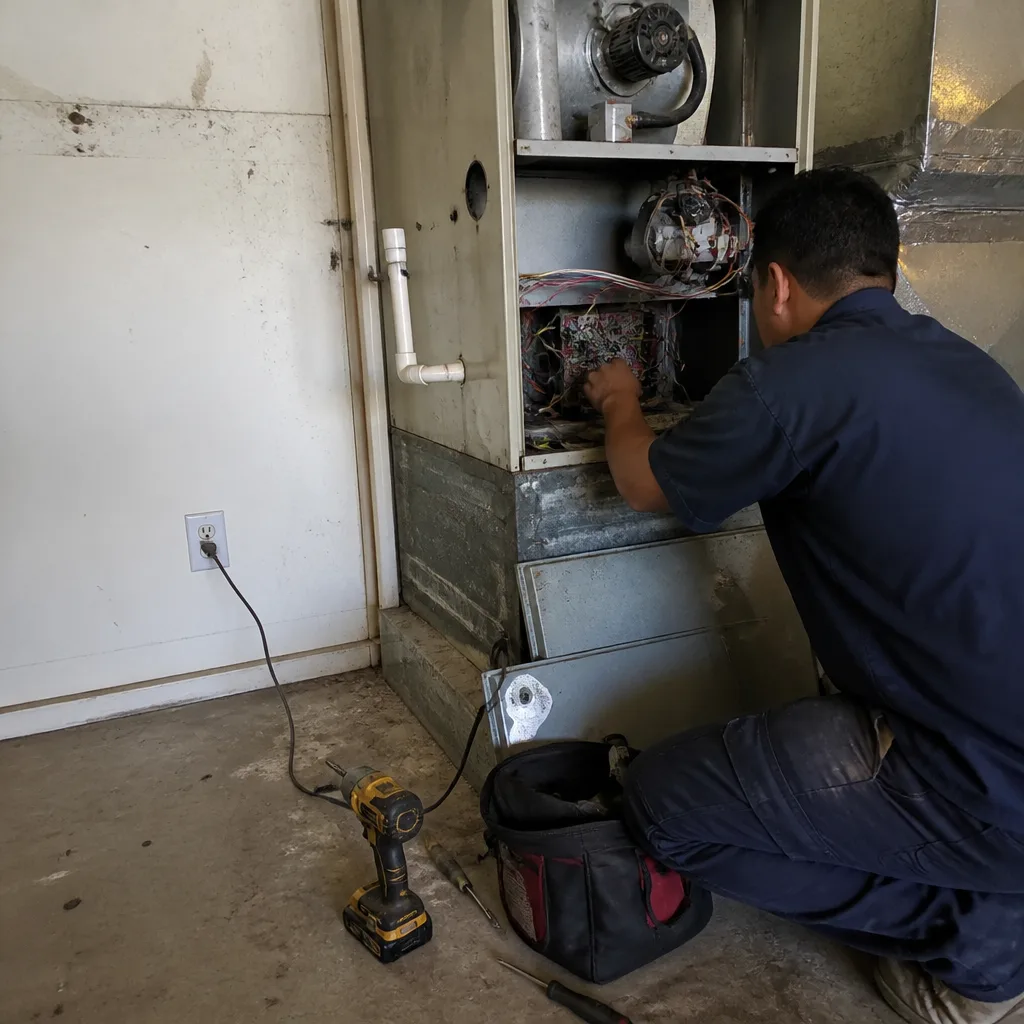 Before
 After
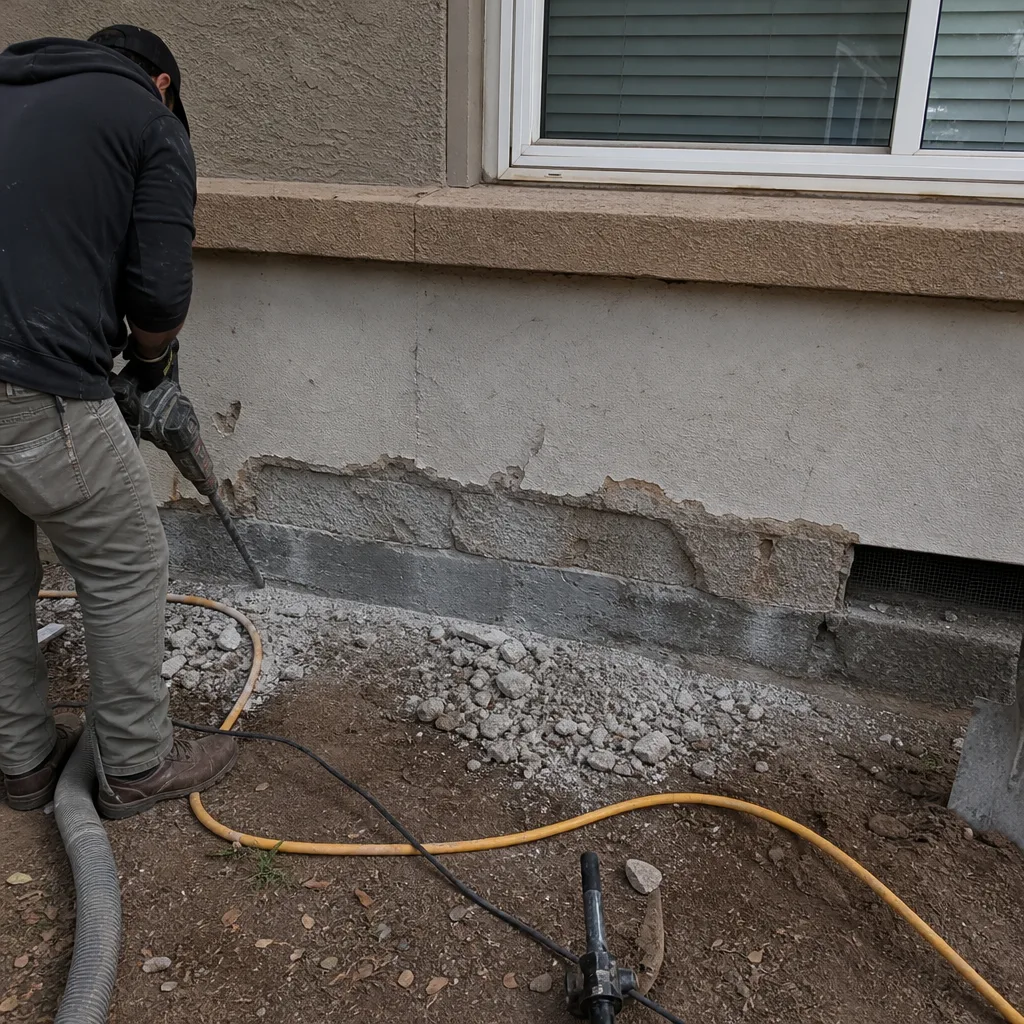 Before
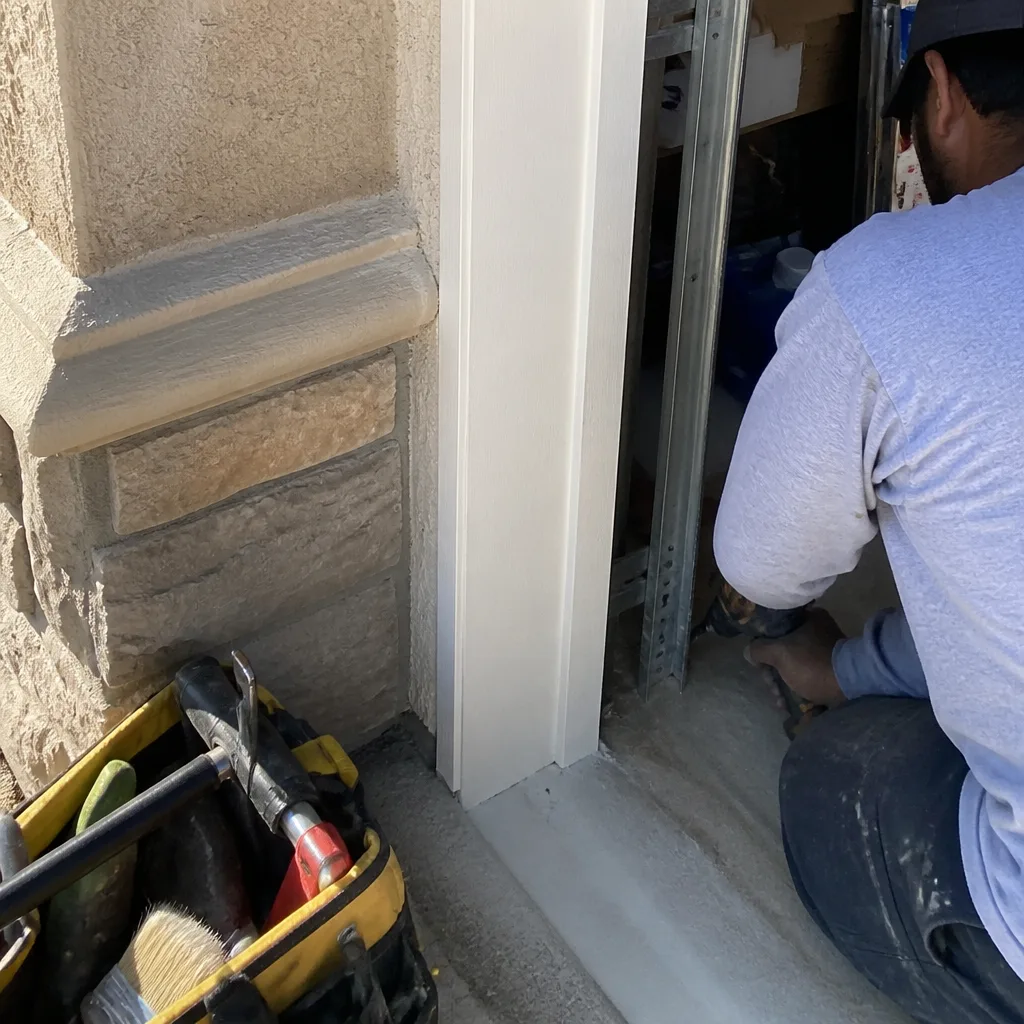 After
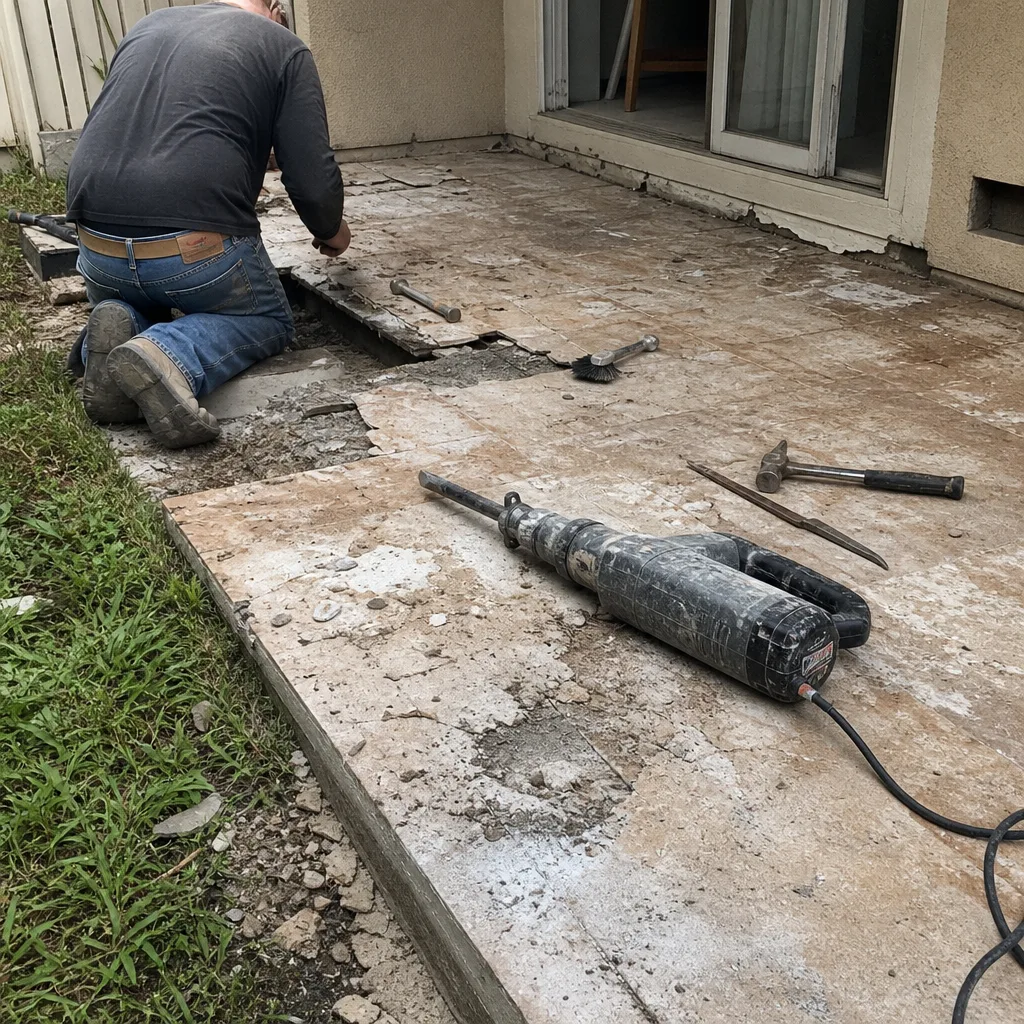 Before
 After