
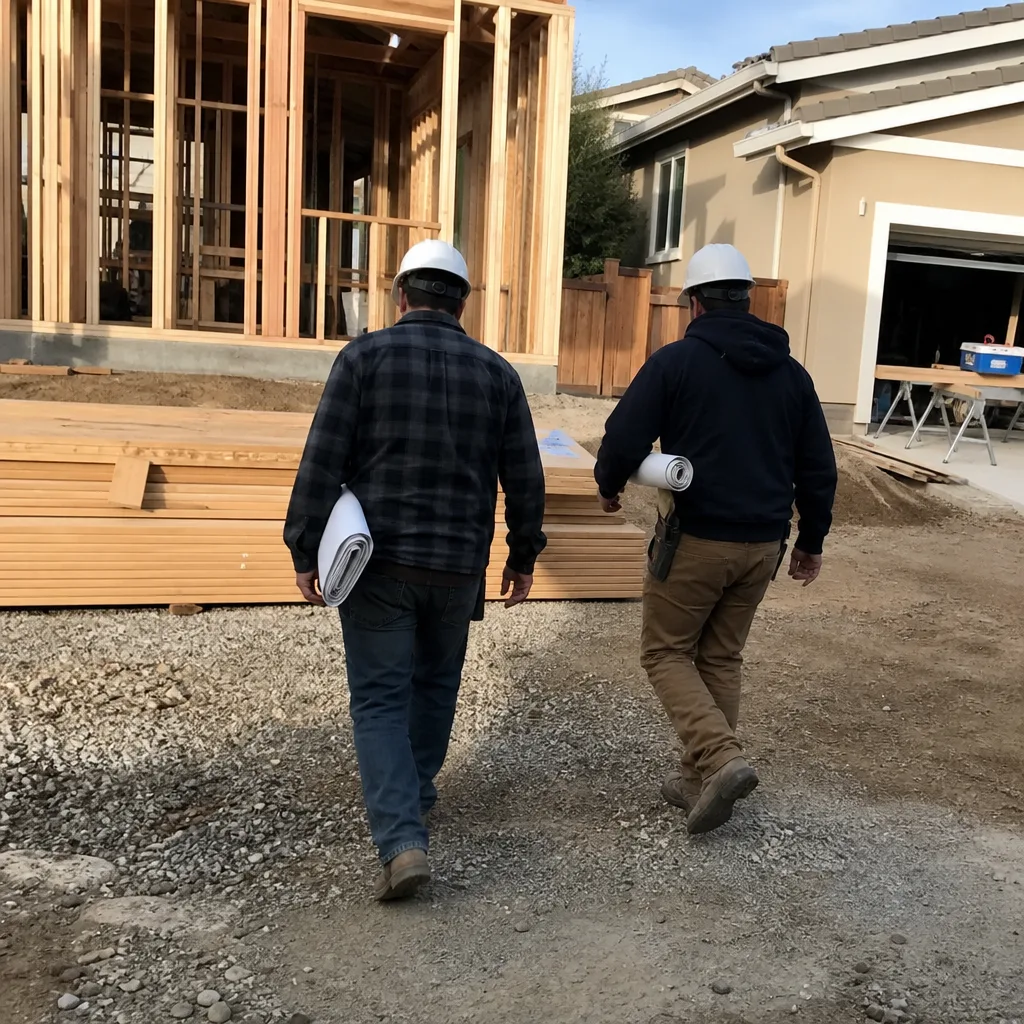
Last updated October 30, 2026
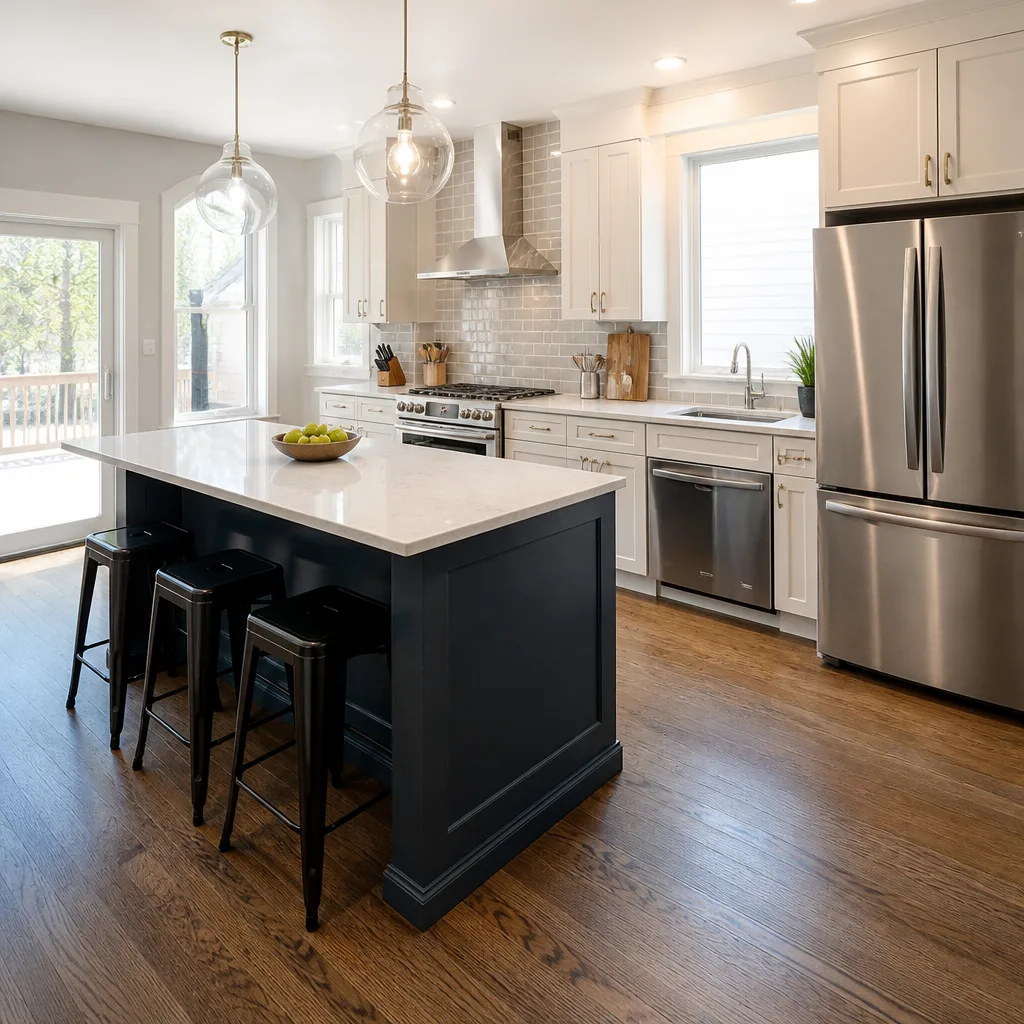 Kitchen remodeling
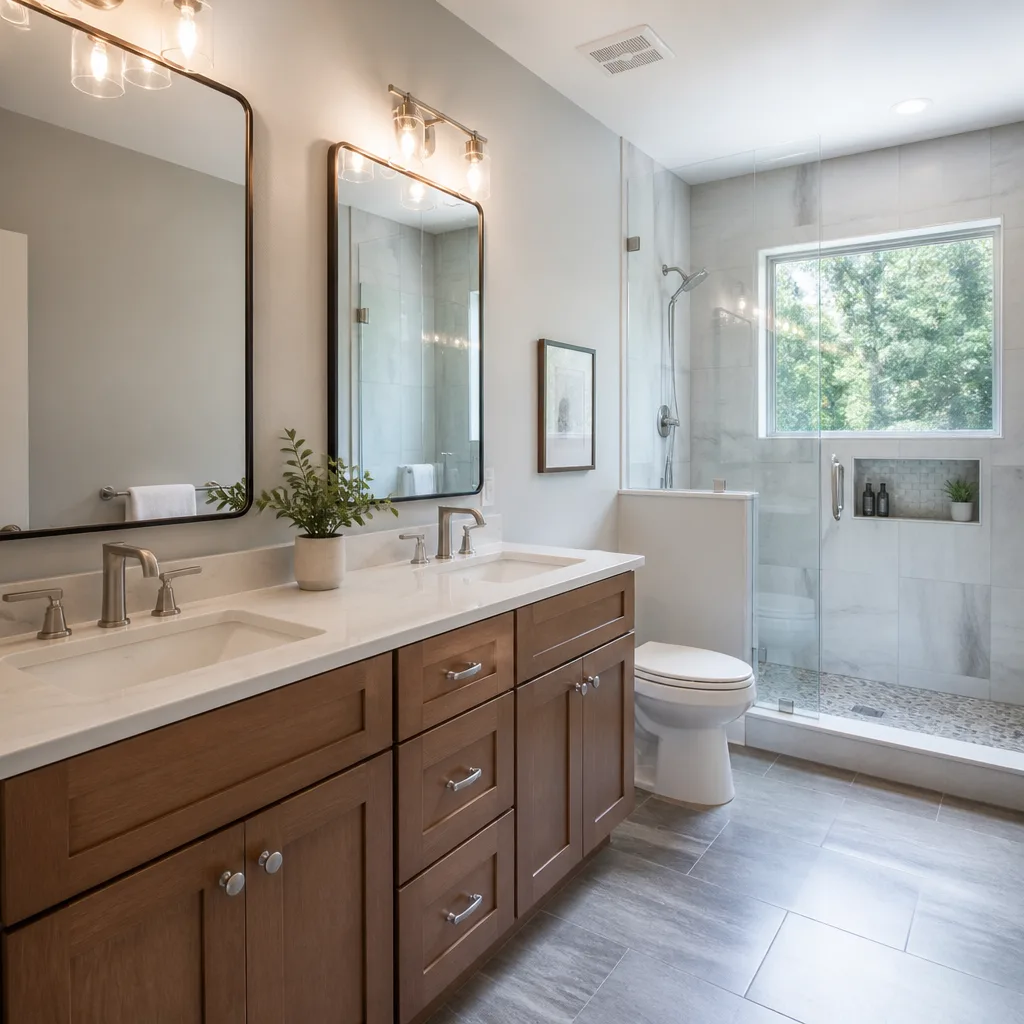 Bathroom remodeling
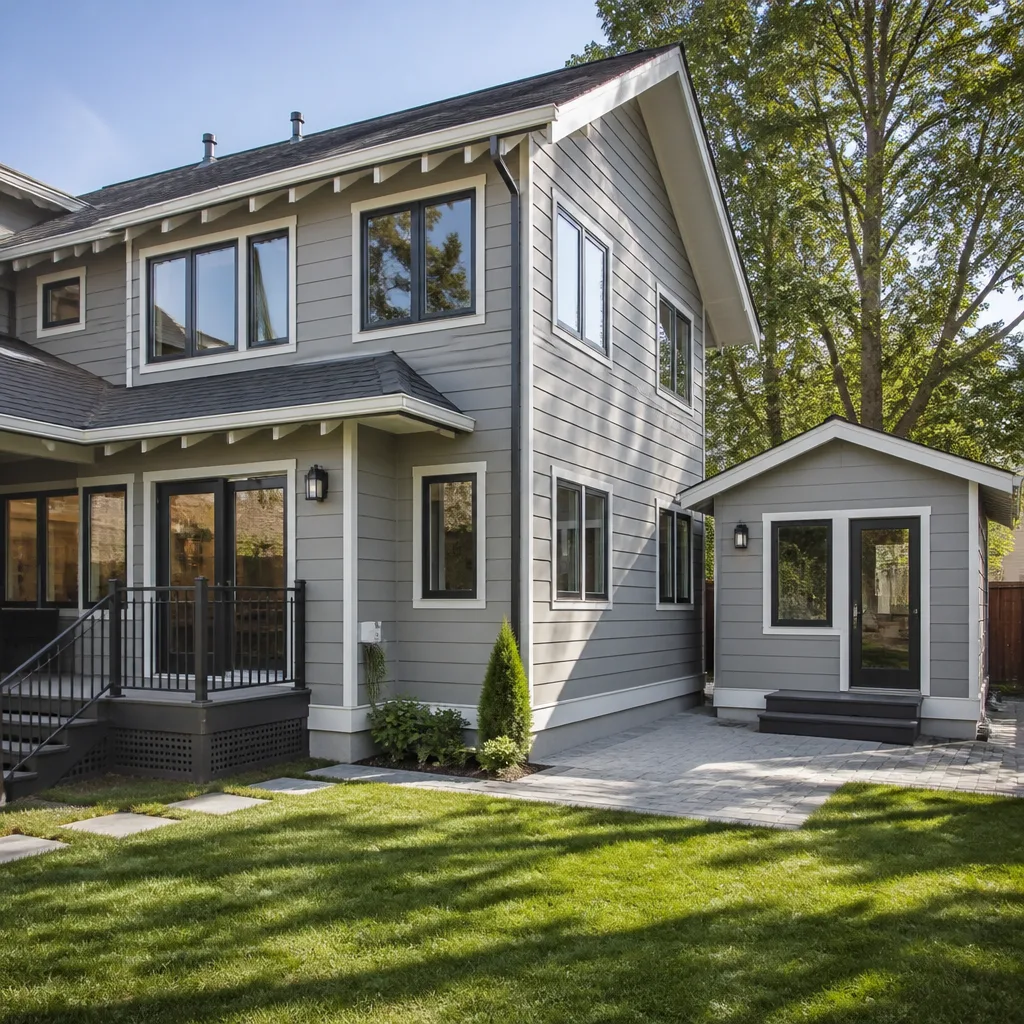 Home additions & ADU
 Roofing
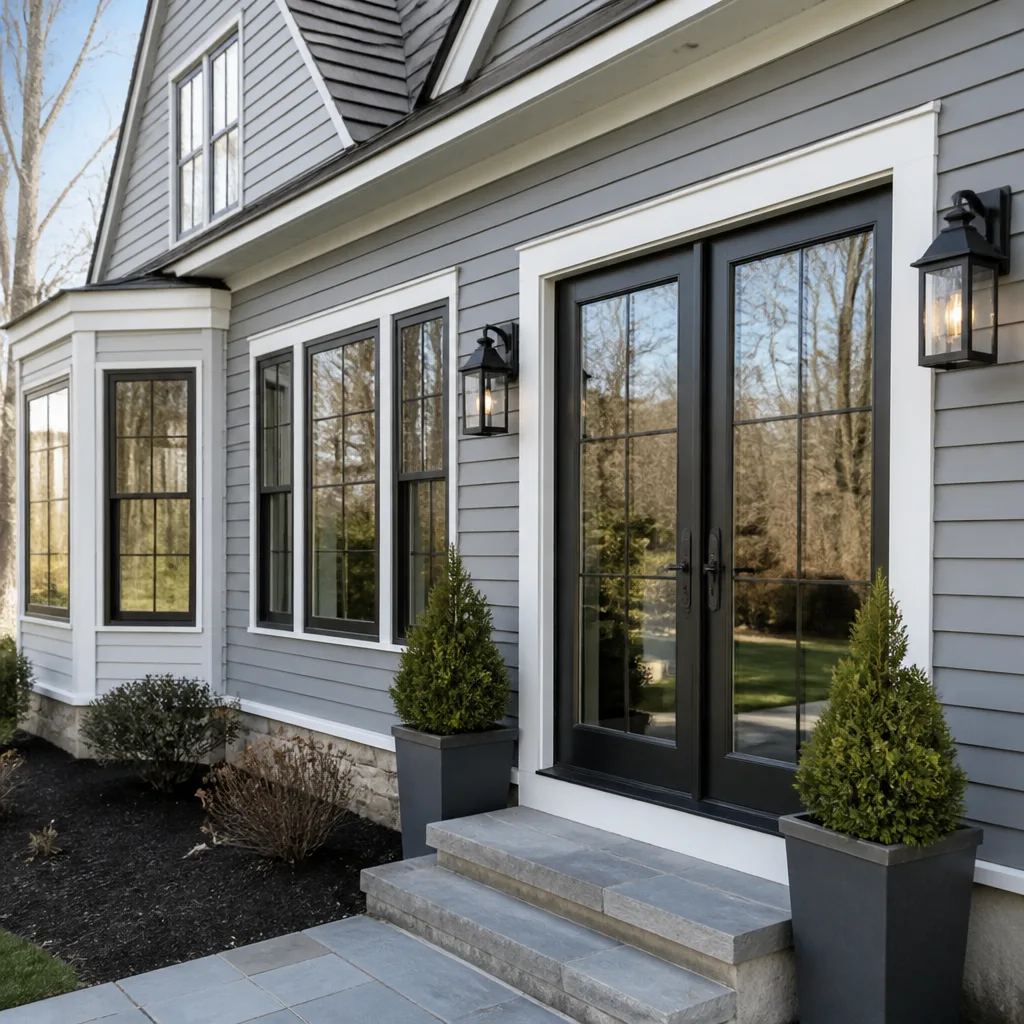 Windows & doors
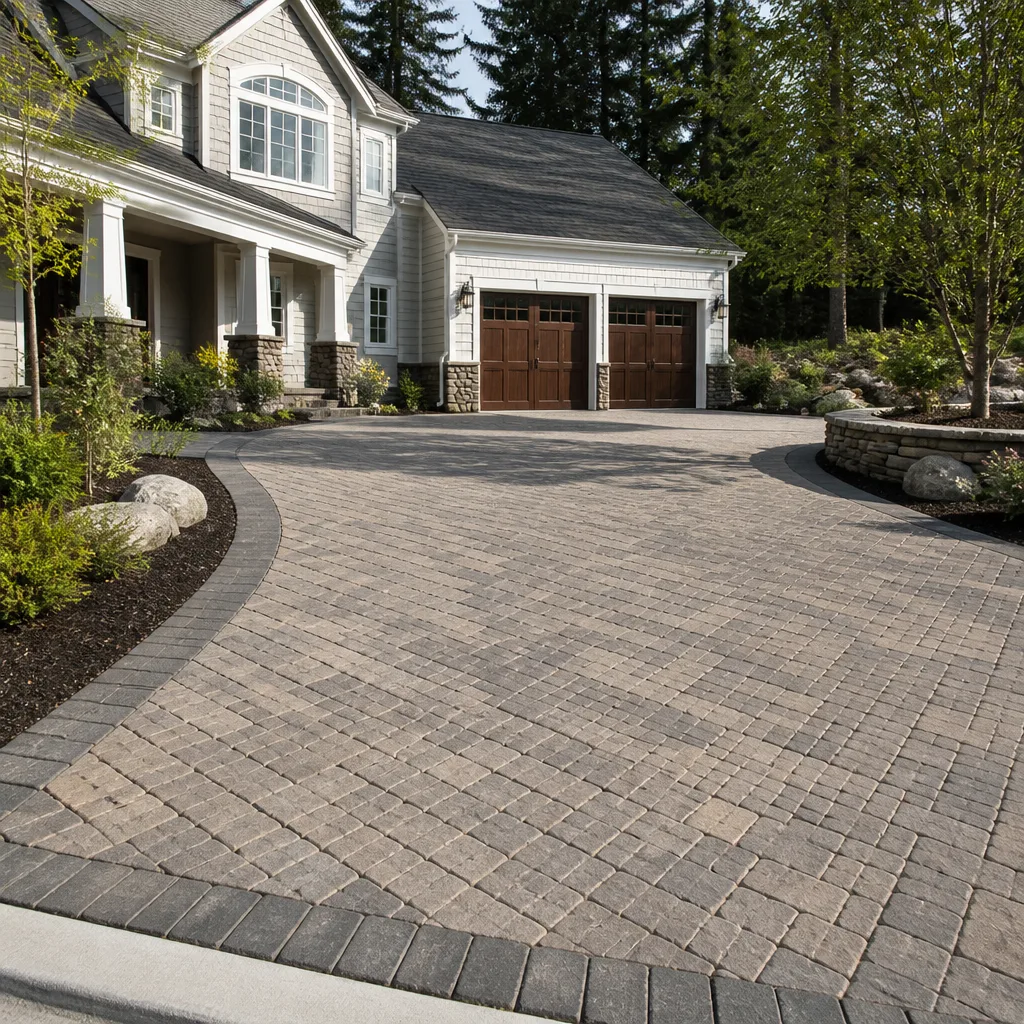 Driveway & pavers
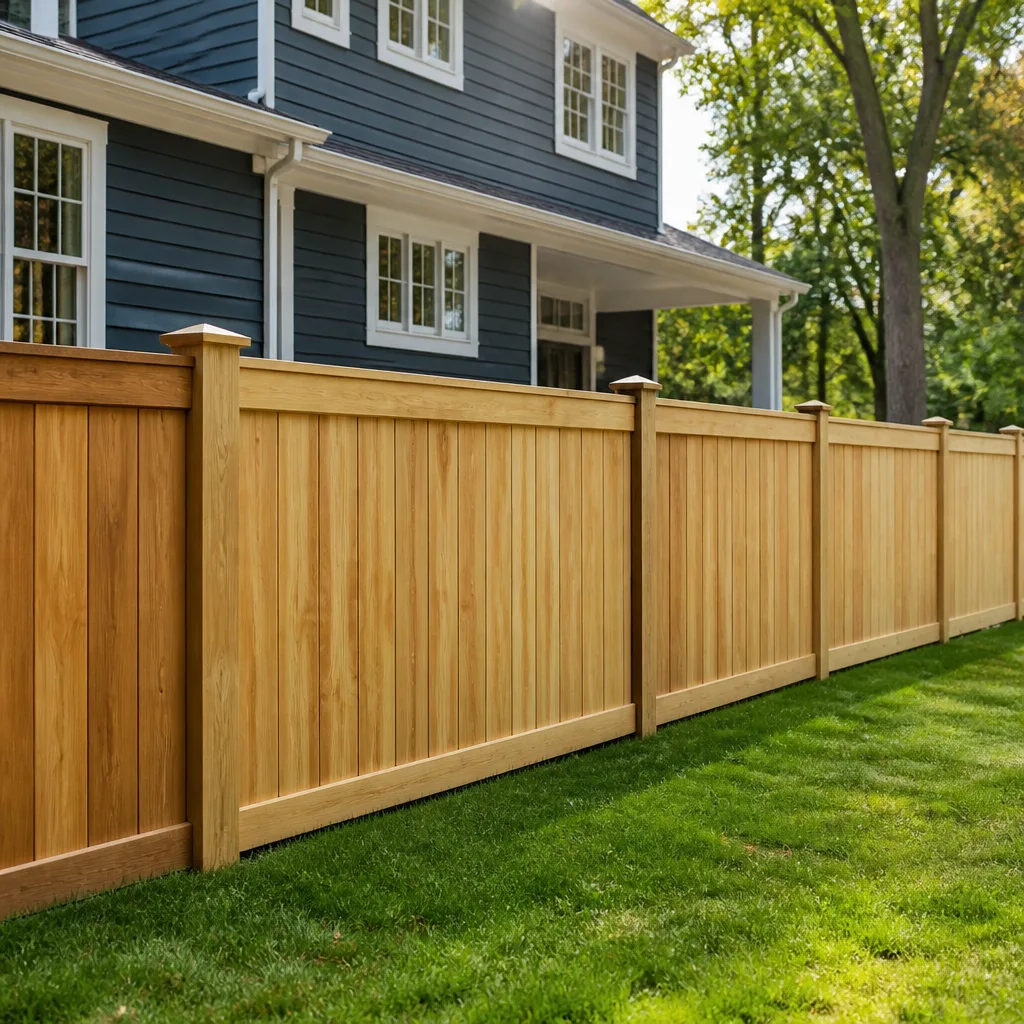 Fence
Free written scope consultation - allowances, timeline, and change-order rules on paper before a single trade is scheduled
The Complete Guide to Construction in Murrieta
Murrieta sits in one of the fastest-growing construction markets in Southern California, yet most homeowners start a project knowing less about local conditions than they do about the materials they’re buying – and that gap is where budgets blow up. The Inland Empire isn’t coastal California. Different soil, different permitting paths, different HOA rules, different lead times on materials. A homeowner who understands these conditions before signing a contract avoids the three things that sink most Murrieta projects: foundation surprises, jurisdiction confusion, and timeline drift. This guide maps the entire terrain – from Riverside County soil behavior to brand-level material decisions – so you can move through construction without the costly detours we see too often.
Quick Answer
Construction in Murrieta is governed by a patchwork of City of Murrieta and Riverside County permitting jurisdictions, and the biggest variables affecting cost and timeline are expansive clay soils, HOA design review overlays, and Inland Empire supply-chain lead times that run 2 to 6 weeks longer than coastal markets. A full-scope general contractor in Murrieta typically manages permits, soil reports, trade scheduling, and material procurement under one contract – and for a deeper look at how those costs break down, see our Construction Cost Breakdown: The Murrieta Homeowner’s Reference for 2026 – and that single-point coordination is what separates projects that finish on budget from those that stall.
Styles & brands we work with
Table of Contents
- Why Murrieta’s Soil Changes How You Build
- City of Murrieta vs. Riverside County: Which Jurisdiction Governs Your Parcel
- HOA Construction Restrictions in Murrieta’s Major Communities
- Inland Empire Material and Labor Lead Times: How to Schedule Around Them
- What Full-Scope General Contracting Actually Covers
- Material Selection: How Brand Choices Affect Your Budget
- The Murrieta Construction Process: Step by Step
- What Construction Costs Look Like in Murrieta Right Now
Why Murrieta’s Soil Changes How You Build
Murrieta sits on a mix of alluvial deposits and expansive clay soils, particularly on the valley floor and in the rolling terrain east of the 215. Expansive soil is the quiet budget-killer in this region: it swells when wet and shrinks when dry, and over a decade of wet winters and scorching summers, that movement transfers directly into slabs and stem walls. We’ve seen foundations in older Murrieta neighborhoods with hairline cracking that traces back to drainage issues, not structural failure – but by the time the crack appears, the fix costs more than the original drainage work would have.
What this means practically:
- New additions and ADUs need a soils report. The City of Murrieta requires geotechnical evaluation for most new foundation work. The report determines whether you need standard footings, deepened footings, or post-tension slab design.
- Drainage is not optional. In Murrieta’s clay-heavy zones, gutter downspouts and surface grading must move water 5 to 10 feet from the foundation. A project that ignores this saves a few hundred dollars at construction and risks tens of thousands later.
- Existing slab remodels need a pre-construction inspection. Before you put a kitchen island with plumbing on a 1980s-era slab, someone has to check for existing cracks, vapor barrier condition, and slab thickness. Rerouting waste lines through a cracked, heaving slab is a cost homeowners never budget for.
The connection to general contractor in Murrieta work is direct: the person managing your project should be the one coordinating the soils engineer, the drainage plan, and the foundation spec – not handing you three phone numbers and walking away. This is one of the clearest places where the single-contractor model pays for itself. When the soils report, the structural design, and the construction team sit under one roof, the drainage conversation happens before framing, not after the drywall is up.
For home remodeling in Murrieta, the soil question matters even when you’re not adding square footage. Kitchens and bathrooms inside an existing footprint still interact with the slab when you move plumbing, add a freestanding tub on a second floor, or install floor tile that telegraphs every millimeter of slab movement. Murrieta’s dry summers mean interior humidity swings, which affects hardwood acclimation and tile mortar cure times. These are local conditions, not generic construction trivia – and they change how a competent contractor sequences the work.
City of Murrieta vs. Riverside County: Which Jurisdiction Governs Your Parcel
Not every Murrieta address is in the City of Murrieta. A meaningful number of parcels with Murrieta mailing addresses sit in unincorporated Riverside County, and the permitting path is different enough that homeowners get confused – sometimes after they’ve already pulled one permit from the wrong agency. The City handles permitting for parcels inside incorporated city limits. Riverside County handles the rest. The distinction matters because plan review times, inspection schedules, and even the specific code editions adopted differ between the two.
Here’s how to know which applies to your property:
- Search your parcel on the Riverside County Assessor’s parcel viewer. Find your APN and check the jurisdiction field. If it says “City of Murrieta,” you pull permits from the City. If it says “Unincorporated Riverside County,” you go through county channels.
- Check your property tax bill. Incorporated properties show Murrieta city taxes. Unincorporated parcels show county service areas instead.
- Call the City of Murrieta Building and Safety Division. Give them your address. They’ll tell you in thirty seconds whether they’re your permitting authority.
- Look at your street signs. White-on-green blade signs are county standard. Custom signs with the Murrieta city logo indicate incorporated limits. Not perfect, but a useful first check.
The practical difference: the City of Murrieta runs a relatively modern online permitting portal with over-the-counter plan review for simple remodels, while county processes can require more documentation for the same scope of work – especially for properties in hillside or flood-control overlay zones. Homeowners in unincorporated areas often tell us the surprise wasn’t the requirements themselves but the timeline. County plan review for a simple kitchen remodel might take three weeks where city review takes one, and that difference ripples through material ordering and trade scheduling.
For home renovation in Murrieta, your contractor should confirm jurisdiction before you sign anything. A full-scope general contractor handles this as part of pre-construction – pulling the correct permit from the correct agency, scheduling the right inspections, and managing rechecks. If a bid doesn’t mention which jurisdiction governs your parcel, ask. It’s the first sign of whether the contractor has actually worked in Murrieta or is just pricing from a template.
HOA Construction Restrictions in Murrieta’s Major Communities
Murrieta has one of the highest concentrations of master-planned communities in Riverside County, and most of them carry architectural design review requirements that operate completely separately from city permits. A city-issued permit does not mean your HOA approved the project. Homeowners discover this two ways: the neighbor files a complaint, or the HOA sends a cease-and-desist letter after the dumpster arrives. Neither is how you want the project to start.
Bear Creek, Spencer’s Crossing, Copper Canyon, Greer Ranch, and the communities along Clinton Keith Road all have design review committees with published guidelines covering exterior modifications. What actually gets flagged:
- Roofing material and color. Many Murrieta HOAs maintain approved color palettes for roofing. You can’t just pick the GAF Timberline color you like – you need the HOA’s sign-off, and some communities require a specific product tier.
- Fencing style and height. Communities with semi-custom lots often mandate specific fence profiles. In our experience, homeowners hear this and assume it’s a generic “no chain link” rule. Then the HOA rejects a perfectly reasonable board-on-board design because the top cap detail doesn’t match the community standard. Master Halco and Ameristar produce HOA-compatible fence systems, but the style spec has to come from your community guidelines first.
- Window and door replacements. Exterior color, frame material, and grid pattern all get reviewed. This is why we show Murrieta clients trim and color options early – getting the HOA submittal right the first time saves 2 to 4 weeks.
- ADU and structure additions. Even though California state law curtails HOA authority over ADUs, many Murrieta communities still require design review for aesthetics, setbacks within the lot, and exterior finish compatibility. The state preserved HOAs’ right to review appearance; it removed their right to ban ADUs outright.
- Construction hours and site appearance. Most Murrieta HOAs restrict work to weekday daytime hours and require dumpster placement or portable toilet siting approval. Violations generate fines that the homeowner pays, not the contractor.
This is a place where Pinecrest Contractors home guidance applies directly: your contractor should collect the design review checklist from your HOA before finalizing drawings. We prepare submittal packages – elevations, material samples, color specs – so the committee sees exactly what will be built. Murrieta homeowners who skip this step spend the most painful money in construction: the change order that exists because nobody checked the rules first.
Inland Empire Material and Labor Lead Times: How to Schedule Around Them
The Inland Empire construction supply chain is not the same as Los Angeles, Orange County, or San Diego. Distribution centers are closer in some cases, but labor availability, yard stocking levels, and fabrication shop backlogs create lead times that surprise homeowners who think “Southern California” means everything arrives in a week. In Murrieta, the timelines that actually matter are the ones between the distributor’s warehouse in Ontario or Perris and your jobsite – and the ones between the fabricator’s schedule and your install date.
Systems where we see consistent lead-time pressure:
- Custom and semi-custom cabinetry: 6 to 10 weeks from order to delivery for most brands we specify through KraftMaid and Wellborn. Stock cabinetry runs faster, but semi-custom lines give you the sizing flexibility that older Murrieta homes often require.
- Quartz and natural stone countertops: 2 to 4 weeks from template to install, and the template itself can’t happen until cabinets are set. This is a hard sequencing constraint – not a delay, just math.
- Windows and exterior doors: PGT and CGI impact-rated products, and even standard Therma-Tru entry systems, frequently run 4 to 8 weeks in this market. Custom sizes stretch longer. If your remodel touches a window opening, order the windows the day the plans are approved – not when the framer asks for them.
- Roofing materials: GAF, CertainTeed, and Owens Corning products generally flow well from Inland Empire yards, but specific shingle colors or specialty underlayments can go on allocation after storm seasons. Murrieta’s summer heat drives asphalt shingle demand in predictable spikes.
- Concrete and masonry: Ready-mix availability tracks the commercial and infrastructure project load in Riverside County. When a big industrial or road project is running, residential pours can slip a day or two. It’s the most weather-and-demand-sensitive material on most projects.
The scheduling play is straightforward: order long-lead items at permit submission, not at permit issuance. A contractor who does this in Murrieta keeps your project moving while the city reviews plans. A contractor who doesn’t hands you a six-week hole in the middle of your remodel – and that’s when homeowners start making bad decisions about substitutes.
Labor is the other variable. Murrieta draws trades from a regional pool that spans Temecula, Menifee, Lake Elsinore, and northern San Diego County. Skilled tile installers, electricians, and finish carpenters are in steady demand. Full-scope contractors who run multiple Murrieta projects maintain scheduling leverage with their trade partners. Homeowners managing subcontractors themselves discover what “waiting on the plumber’s next opening” actually means – and it usually means three weeks.
What Full-Scope General Contracting Actually Covers
There’s a meaningful difference between a full-scope general contractor in Murrieta and a specialty remodeler, and it shows up most clearly when the project crosses systems. A kitchen remodel that moves a window, reroutes plumbing, changes the exterior siding where the new exhaust exits, and extends a patio cover isn’t really a kitchen remodel. It’s a multi-system project with a kitchen in the middle. The contractor you hire has to be the one coordinating all of it.
Full-scope construction covers:
- Interior systems: kitchens, bathrooms, flooring, drywall, insulation, interior trim, painting.
- Exterior envelope: roofing, siding, windows, exterior doors, gutters, weatherproofing.
- Site and outdoor work: hardscaping, pavers, fencing, retaining walls, outdoor living structures.
- Structure: additions, ADUs, prefab structure coordination, foundation work.
What this means for you: one contract, one schedule, one point of accountability. The alternative – three separate contractors for the siding, the kitchen, and the pavers – creates coordination seams. The siding crew doesn’t care about the kitchen installer’s schedule. The paver crew doesn’t know the electrician needs a trench through the patio. The homeowner becomes the project manager by default, and that unpaid job is where Murrieta projects lose weeks and thousands of dollars.
This is also where material coordination matters. We work with 50-plus product brands across every major home system – Kohler and Moen in plumbing, Cambria and Silestone in countertops, GAF and CertainTeed in roofing, James Hardie in siding, Belgard and Unilock in hardscaping, and Master Halco and Ameristar in fencing. Not because more brands is better, but because different Murrieta projects at different budget tiers need different products. A Spencer’s Crossing home getting a full exterior refresh might pair James Hardie fiber-cement siding with a GAF roofing system and Belgard pavers. A smaller Copper Canyon project might call for Tamko roofing and a more value-conscious paver line. The point is that you see the options, understand the trade-offs, and build what you choose – not what one specialty contractor happens to offer.
ADU work sits in this same full-scope bucket. Abodu, Dvele, Mighty Buildings, and Boxabl produce prefab structures that most traditional remodelers won’t touch because it’s not their trade. For Murrieta homeowners adding a back-unit rental or a multigenerational suite, these systems can be the right answer – but they require site work, utilities, foundation work, and finish integration that all run through one general contractor. Our clients don’t manage the prefab factory. They don’t manage the site contractor. They get one schedule and one warranty conversation.
From the roof down to the pavers, the job is ours to coordinate – that’s the entire value proposition of full-scope construction.
Material Selection: How Brand Choices Affect Your Budget
Murrieta homeowners are research-minded buyers. They read the forums, they know what Kohler costs at retail, and they want material options explained honestly – not a single take-it-or-leave-it quote. The brands you choose don’t change the labor cost of a project much, but they move the material line significantly. Understanding where the money goes is the difference between choosing premium materials you’ll enjoy for twenty years and paying premium prices for products you won’t actually notice.
Where the brand decisions actually move the budget in Murrieta:
- Countertops: Cambria premium quartz runs meaningfully higher than Silestone or Caesarstone for comparable aesthetics. All are manufactured quartz. The differences are in color depth, veining realism, and warranty terms. If you’re doing a large island with waterfall edges, the material cost multiplies fast. If you’re doing a standard galley kitchen, the difference matters less.
- Roofing: GAF Timberline is a flagship architectural shingle with a premium price. Tamko builds a budget-minded architectural shingle that still carries a solid warranty. Both make sense – for different homes and different holding periods. This is the honest trade-off conversation, not an upsell script.
- Plumbing fixtures: Kohler and Toto sit at the mid-to-premium tier. Moen and Grohe cover the mid tier with some very good value lines. In a master bathroom, a Toto toilet and Grohe thermostatic shower make a visible difference. In a guest bath, the mid-tier options are the rational choice.
- Fencing: Master Halco and Ameristar cover wood, vinyl, ornamental steel, and aluminum lines with enough variation that the same 200-linear-foot fence can cost $40 per foot or $90 per foot depending on the system. HOA guidelines often narrow the field before you ever price it.
- Windows and doors: PGT and CGI are impact-rated for windborne debris regions – a real consideration in Southern California fire and wind zones. Therma-Tru entry doors range from builder-grade steel to fiberglass systems that look convincingly like wood. In Murrieta, door and window replacement is one of the highest-ROI exterior projects, and the brand tier determines whether that ROI compounds or stalls.
Built to the brand’s spec is not marketing language. It’s how warranty coverage survives installation. James Hardie siding is the clearest example in Murrieta: Hardie’s warranty is conditional on installation by manufacturer-trained contractors using specified fasteners, flashing, and joint treatments. Same product, installed wrong, no warranty. We show Murrieta clients the options, explain the trade-offs, and build what they choose – at whatever tier makes sense for their street and their timeline.
The Murrieta Construction Process: Step by Step
Every construction project in Murrieta follows roughly the same sequence, whether it’s a bathroom remodel or a full exterior overhaul. The steps are predictable. What changes is who handles each one – you or your contractor. Here’s the process as we run it:
- Scope definition and budget alignment. You decide what’s being built or remodeled. We price it honestly, with line-item detail. This is where material brand choices get made, because they drive the budget more than labor does.
- Site evaluation and measurements. For additions, ADUs, and exterior work, we evaluate soil conditions, drainage patterns, and site access. For interiors, we document existing conditions – slab condition, plumbing locations, electrical panel capacity, framing layout.
- Design and drawings. Depending on scope, this means architectural drawings, structural engineering, and HOA submittal packages. Murrieta’s design review committees want to see elevations and material callouts, so we prepare the package properly the first time.
- Permit application. City of Murrieta or Riverside County, depending on your parcel. We handle plan check comments, resubmittals, and the inevitable back-and-forth with the building department.
- Material ordering. Long-lead items get ordered at permit submission. Cabinet fabrication starts. Countertop template slots get reserved. Window production gets queued. This is where schedule discipline is won or lost.
- Demolition and site preparation. Permits issued, demo begins. For additions and ADUs, site grading and foundation work follow the soils report and structural design.
- Rough construction. Framing, rough plumbing, rough electrical, HVAC, roofing and siding (if exterior scope), window and door installation, insulation, drywall. Inspections happen at each stage.
- Finish construction. Cabinetry, countertops, tile, fixtures, interior trim, paint, flooring. Exterior finishes: siding trim, gutter installation, hardscape, fencing, landscape restoration.
- Final inspections and closeout. City or county final inspection, HOA final approval if applicable, warranty documentation, walkthrough.
The invisible step that runs through all of it: scheduling. Each trade’s availability, each inspection’s timeline, each material’s lead time – these interlock. A Murrieta homeowner managing this alone will spend the equivalent of a part-time job just coordinating calendars. A full-scope contractor runs it as one integrated schedule, which is the entire reason this model exists.
What Construction Costs Look Like in Murrieta Right Now
Murrieta pricing tracks the Inland Empire market, not coastal Southern California. That’s good news on some line items and sobering on others. What follows are practical ranges for planning purposes, not bids – every project gets priced individually after we see the site and the scope. But these numbers will help you sort realistic budgets from fantasy ones.
Planning ranges for Murrieta construction, as of current market conditions:
- Full kitchen remodel, mid-tier finishes: $55,000 – $95,000, depending on cabinet line, countertop choice, appliance tier, and whether walls or plumbing move.
- Primary bathroom remodel: $30,000 – $60,000 for a standard 5-foot-by-8-foot to 10-foot-by-12-foot bath, depending on tile scope, fixture tier, and whether the bathtub becomes a walk-in shower.
- Secondary bathroom remodel: $18,000 – $35,000, driven mostly by finish choices and whether the layout changes at all.
- Roof replacement, standard slope, architectural shingles: $12,000 – $22,000 for a typical Murrieta single-family home, depending on size, pitch, deck condition, and shingle brand.
- James Hardie siding, partial or full exterior: $25,000 – $60,000 depending on home size and whether trim, soffit, and gutters are in scope. One of the most warranty-sensitive installations in this market.
- Window replacement, whole house, vinyl or fiberglass: $18,000 – $40,000 depending on count, sizes, frame material, and whether any openings get resized.
- ADU, prefab or site-built: $150,000 – $350,000 depending on system (Abodu, Dvele, Boxabl, Plant Prefab, or conventional), site conditions, utility work, and finish level. This is a wide range because prefab ADUs and site-built ADUs are genuinely different projects.
- Hardscape and fencing: $15,000 – $50,000 depending on paver brand (Belgard vs. Unilock vs. Techo-Bloc), square footage, fence system (Master Halco and Ameristar tiers vary), and site access.
The number that surprises Murrieta homeowners most is the cost of moving things. Moving a gas line, relocating a drain, moving a wall – these are the invisible line items that separate a $30,000 bathroom from a $50,000 one. Before you bid, decide what stays and what moves. That’s the highest-leverage budgeting decision you’ll make.
Our advice: get a written, line-item quote that breaks out materials, labor, and allowances. In Murrieta, homeowners who get three competing bids with different scopes and different material spec levels end up comparing apples to oranges. The quote that matters is the one that matches what you’ll actually build – from roofing underlayment to cabinet drawer slides.
Common Mistakes to Avoid
- Skipping the soils report on structure work. In Murrieta’s expansive clay zones, a foundation spec based on assumptions is a foundation spec based on hope. The soils report answers questions the contractor can’t see with a shovel.
- Pulling permits from the wrong jurisdiction. Unincorporated Riverside County parcels with Murrieta addresses catch homeowners every month. Confirm your jurisdiction before you submit anything.
- Starting work before HOA design review clears. City approval and HOA approval are separate gates. Both have to open before the dumpster arrives, and HOA review in some Murrieta communities takes 30 to 60 days.
- Ordering cabinets after demolition. If you demo the kitchen and then order cabinets, you’ve guaranteed a 6-to-10-week hole in your project. Cabinets get ordered at permit submission, not at demo day.
- Comparing bids without matching scopes. Three bids for “a kitchen remodel” will describe three different kitchens. Line-item scopes, or they’re not comparable.
- Managing trades yourself to save money. We see Murrieta homeowners do this on mid-size projects. By the time they’re on their third scheduling conflict and second trade walk-off, the “savings” is gone and so is their calendar.
- Choosing contractor-managed materials without understanding the markup. Markup is normal and earned. What’s not normal is opacity. Ask to see the material quote and the markup structure. A good contractor in Murrieta shows you the numbers.
See the difference
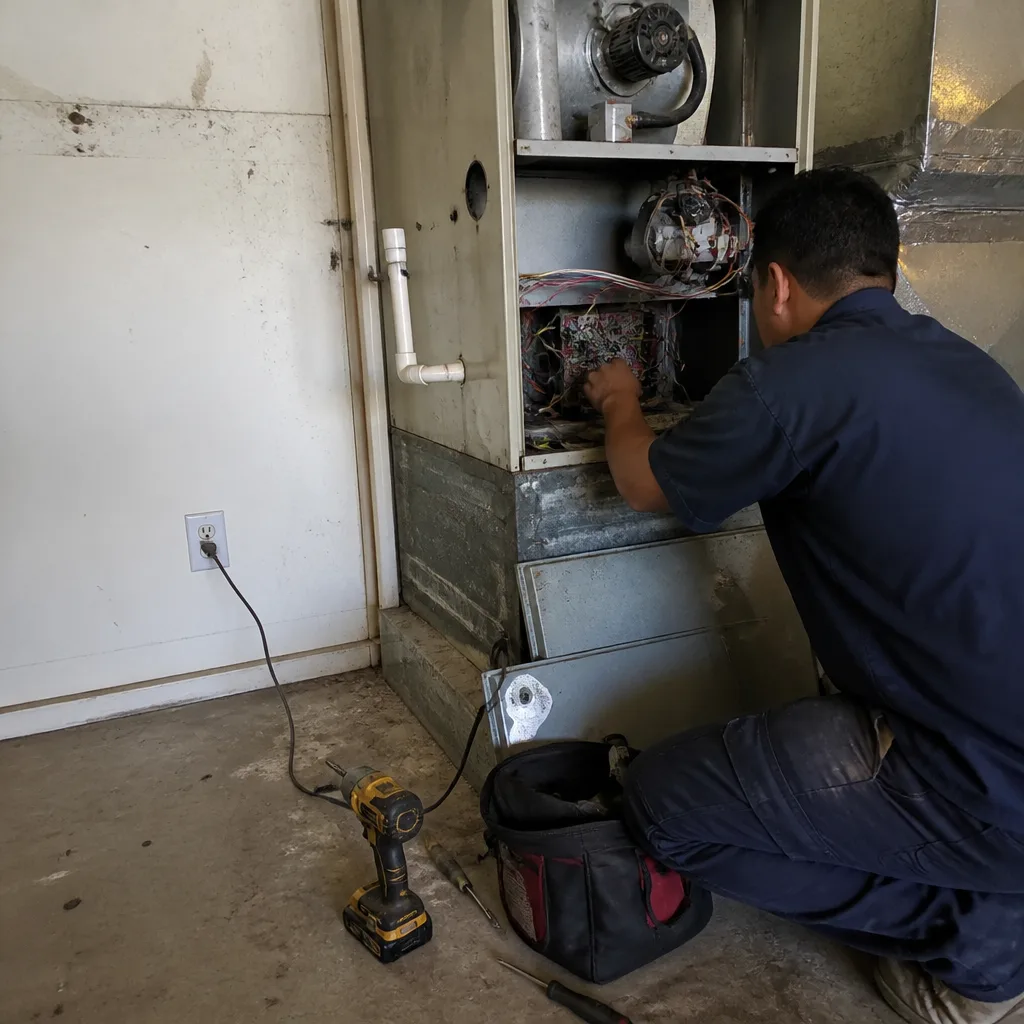 Before
 After
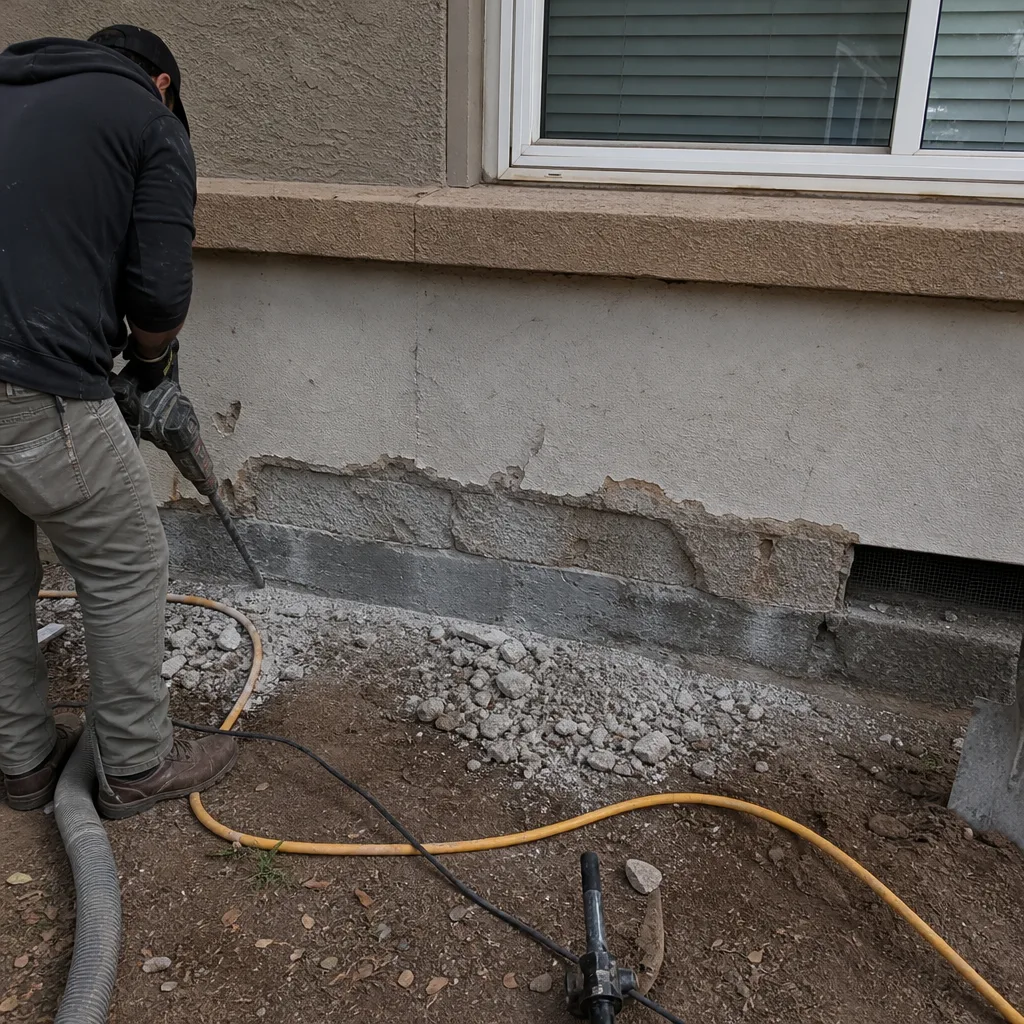 Before
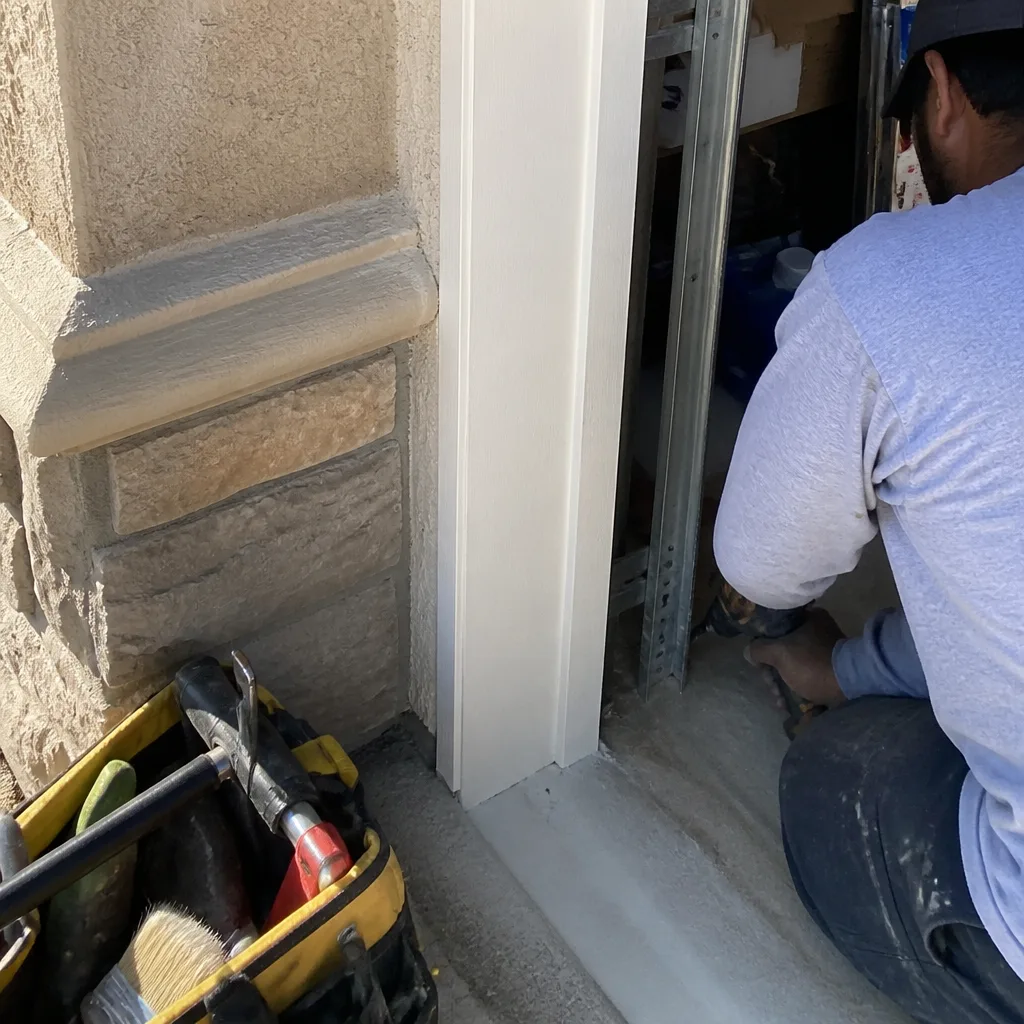 After
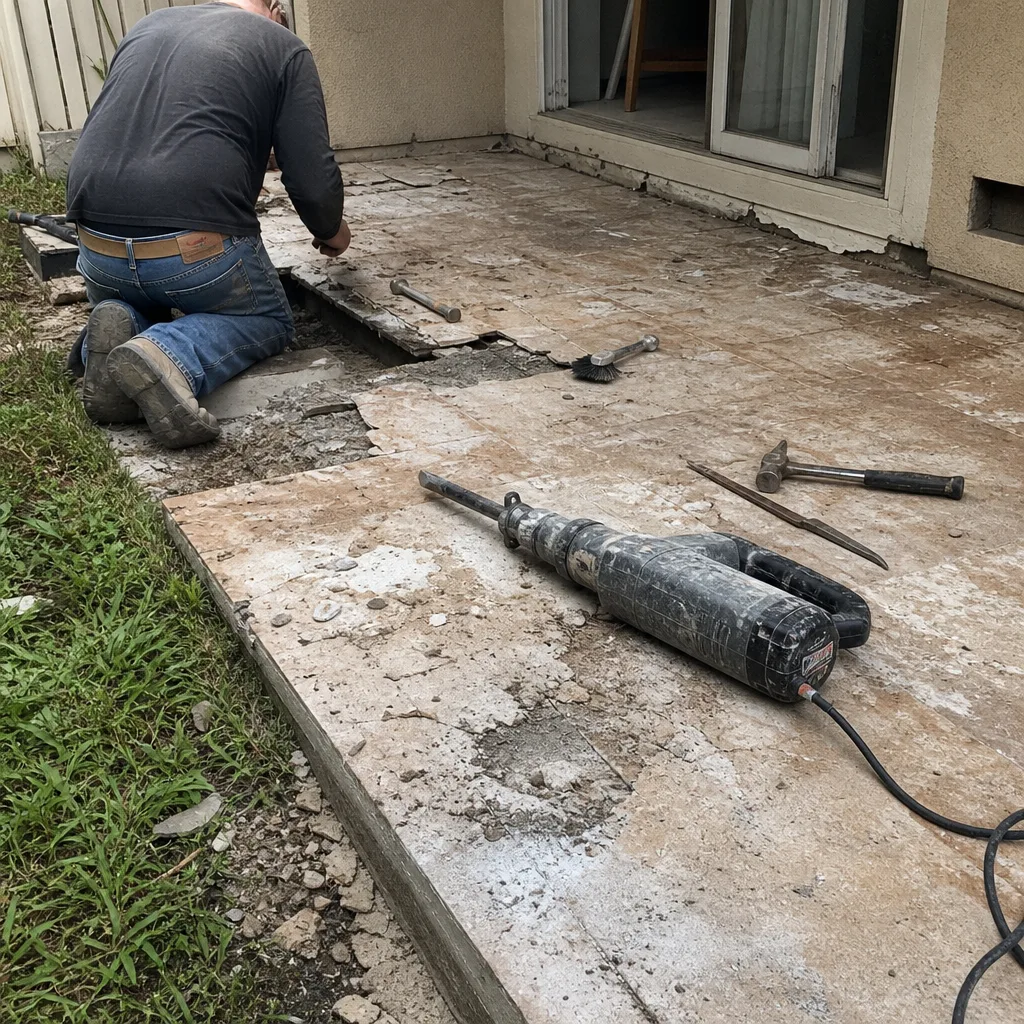 Before
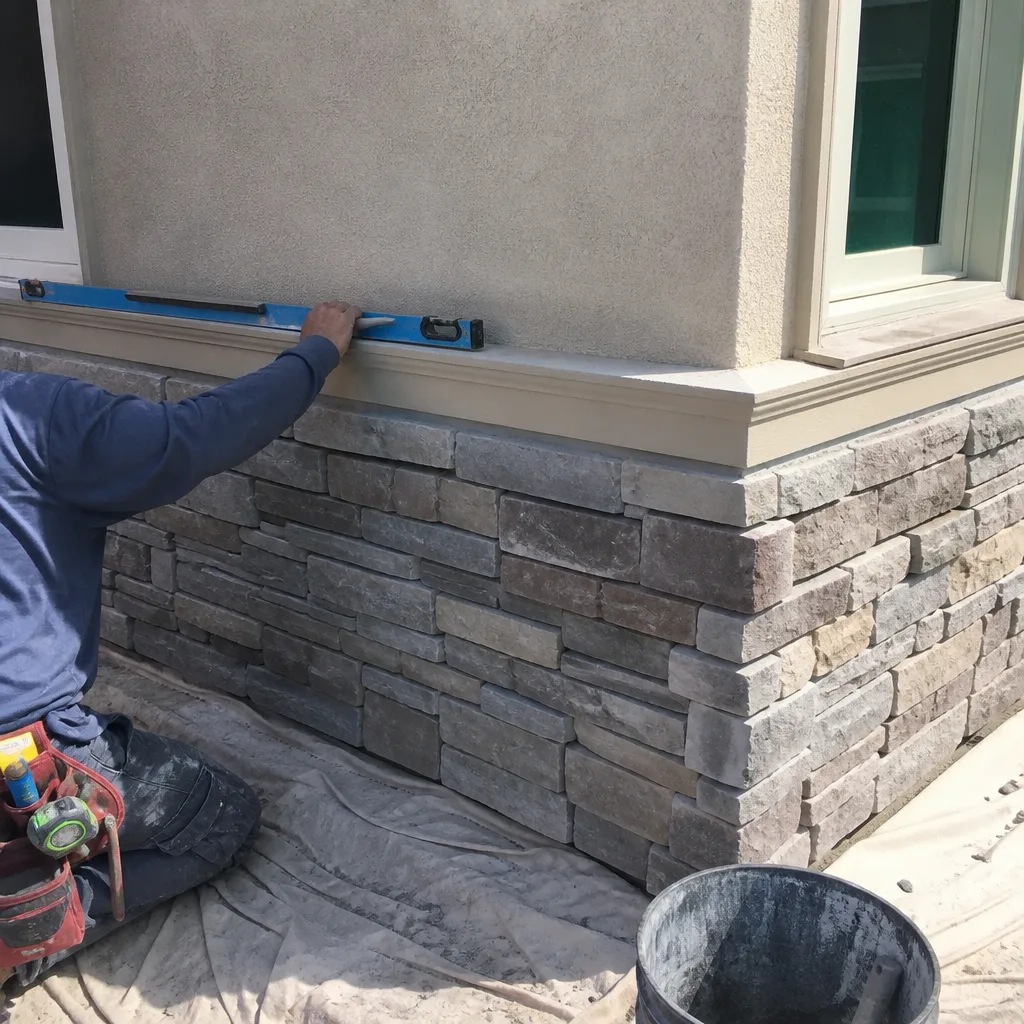 After
When to Call a Professional
If your project involves structural changes, foundation work, roofing, exterior envelope work, or any system that touches water, gas, or electricity – you need a professional. These aren’t weekend projects, and in Murrieta, the permitting and HOA requirements add layers that DIY paths don’t account for. If you’re adding square footage, building an ADU, or coordinating multiple trades across interior and exterior systems, a full-scope general contractor is the only model that keeps the schedule coherent. If you’re two months into researching a kitchen remodel and still don’t know what it will cost, that’s the signal to get a real bid.
Pinecrest Contractors offers free estimates in Murrieta – call (855) 702-1622. You’ll get a written, line-item quote for your actual scope, not a ballpark phone number.
Frequently Asked Questions
Construction costs in Murrieta run $180 to $350 per square foot for remodel work and $250 to $400 per square foot for new additions or ADUs, depending on finishes, systems involved, and site conditions like slope and soil. The per-square-foot number is a rough planning tool, not a bid – the real cost signal comes from a line-item quote for your specific scope. Call (855) 702-1622 for an exact quote, free of charge.
Yes, most kitchen remodels in Murrieta require a permit from either the City of Murrieta or Riverside County, depending on your parcel’s jurisdiction. Any work that involves electrical, plumbing, structural changes, or wall movement triggers permit requirements. A full-scope contractor in Murrieta handles this as part of the project – checking jurisdiction, preparing drawings, and managing plan review so you’re not guessing.
Murrieta construction timelines run 2 to 6 weeks longer than coastal Southern California projects at the material-procurement stage, driven by Inland Empire distribution patterns and fabricator backlogs. Cabinetry runs 6 to 10 weeks, windows 4 to 8 weeks, and countertops 2 to 4 weeks after cabinet set – sequencing these properly keeps a whole-home project on a 3-to-5-month calendar. The contractor’s ability to order long-lead items at permit submission is what separates tight schedules from drifting ones.
Yes, HOA design review committees in Murrieta communities like Bear Creek and Spencer’s Crossing can stop projects that skip their approval process, even when city or county permits are already issued. HOAs control aesthetics – colors, materials, fence styles, window details – and failure to get design review approval before starting work means fines, stop-work orders, and rework. A contractor should collect your HOA’s design guidelines before finalizing drawings, not after the permit is pulled.
A full-scope general contractor handles interior systems, exterior envelope, site work, and structure under one contract, while a specialty remodeler focuses on one trade – kitchens, bathrooms, or roofing – and pushes everything else back to the homeowner to manage. In Murrieta, where projects increasingly cross systems (kitchen remodel with a patio extension, exterior refresh with window replacement), the multi-contractor model creates scheduling gaps and warranty finger-pointing that the single-contract model eliminates.
No, interior remodels that stay within the existing footprint and don’t add structural load generally don’t require a soils report in Murrieta. Soils reports apply to new foundation work – additions, ADUs, retaining walls, and any structure that changes how weight transfers to the ground. That said, Murrieta’s expansive clay soils still matter for interior projects: slab movement affects tile installation and plumbing layout decisions, which is why we check foundation condition on every remodel we scope. Call (855) 702-1622 to talk through your project and get a free estimate.
The Bottom Line
Construction in Murrieta rewards homeowners who understand local conditions before they sign a contract. Expansive clay soils determine foundation specs and drainage design. The city-county split determines your permitting path. HOA design review runs parallel to city approval and can stop work that’s already permitted. Inland Empire supply chains create lead times that coastal pricing guides never mention. And the full-scope contractor model – one team, one contract, one schedule from roofing to kitchen cabinets – is the structural advantage that keeps Murrieta projects on budget and on time. If you’re planning work, start with a written, line-item estimate from a contractor who works in this market every day. You’ll know more and build smarter.
Written by the team at Pinecrest Contractors, serving Murrieta since 2014.