

Last updated October 30, 2026
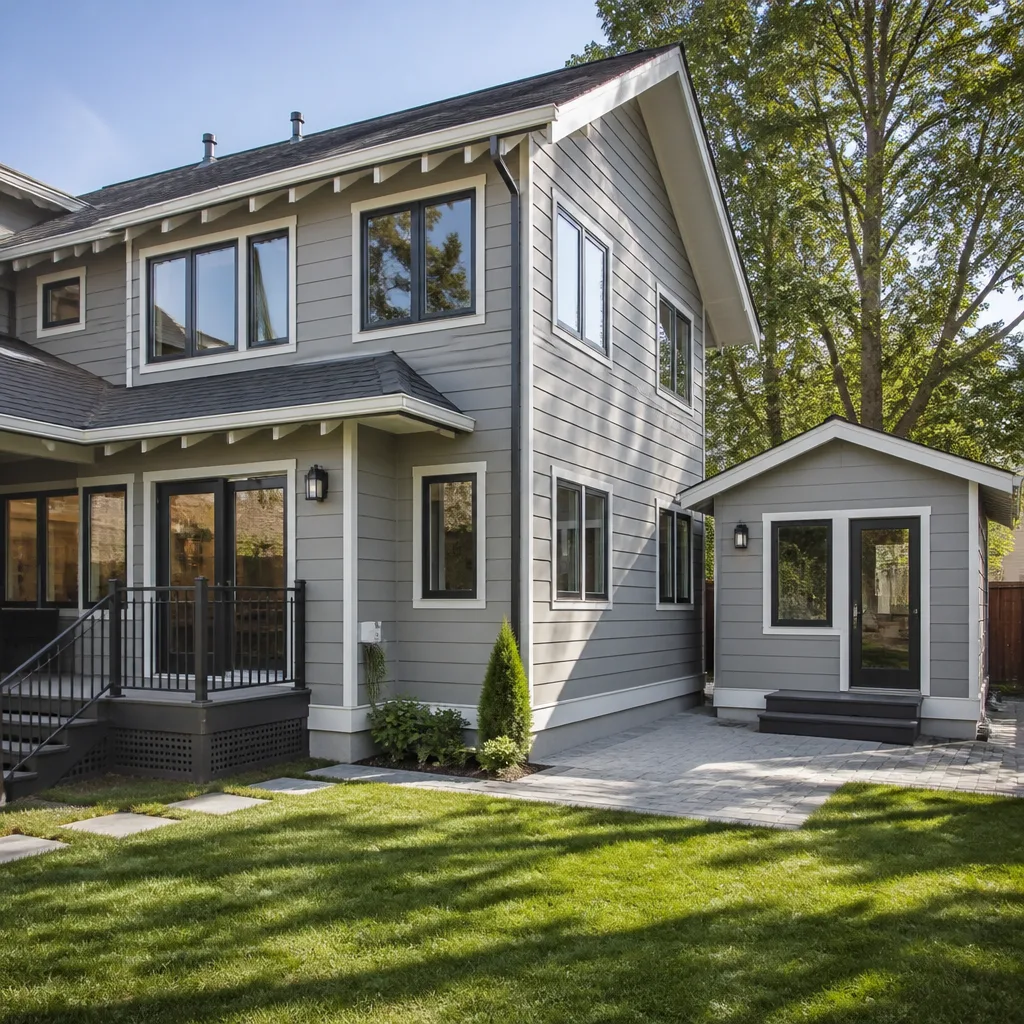 Home additions & ADU
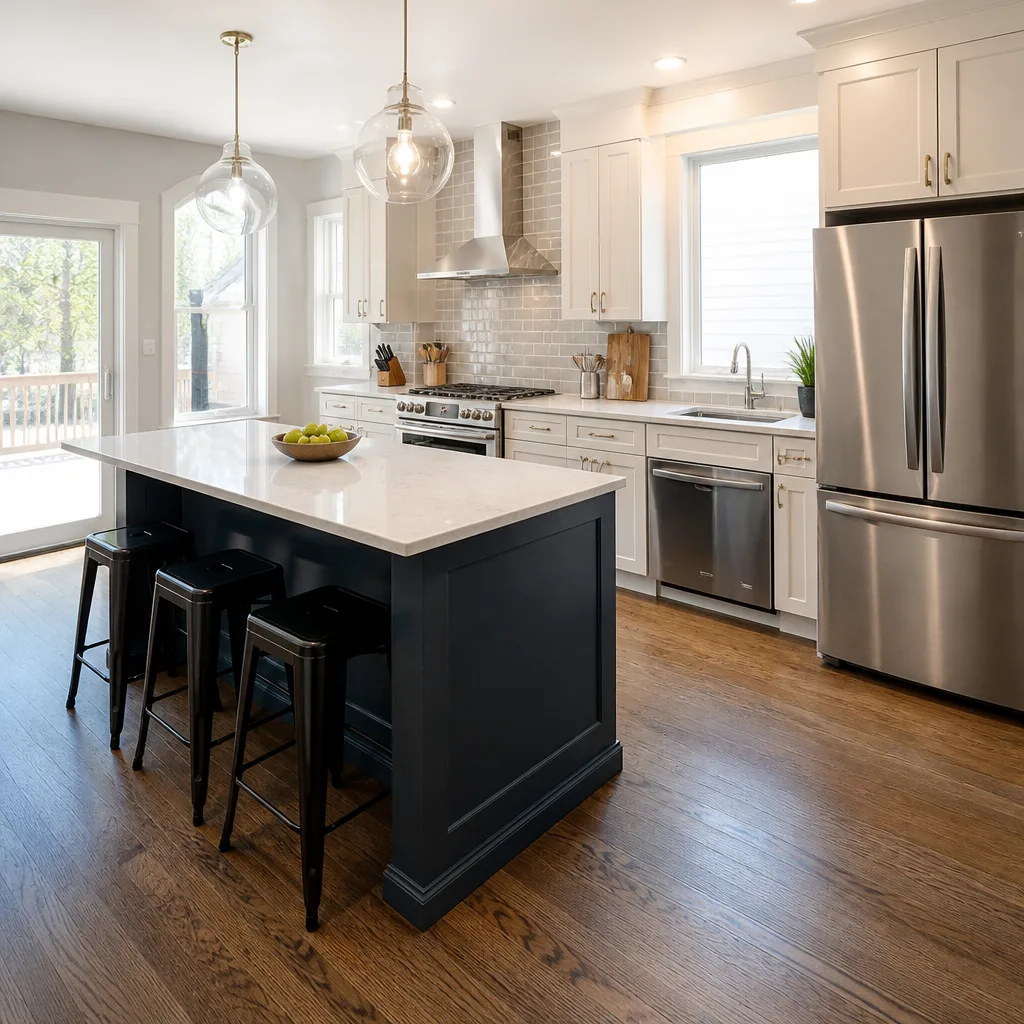 Kitchen remodeling
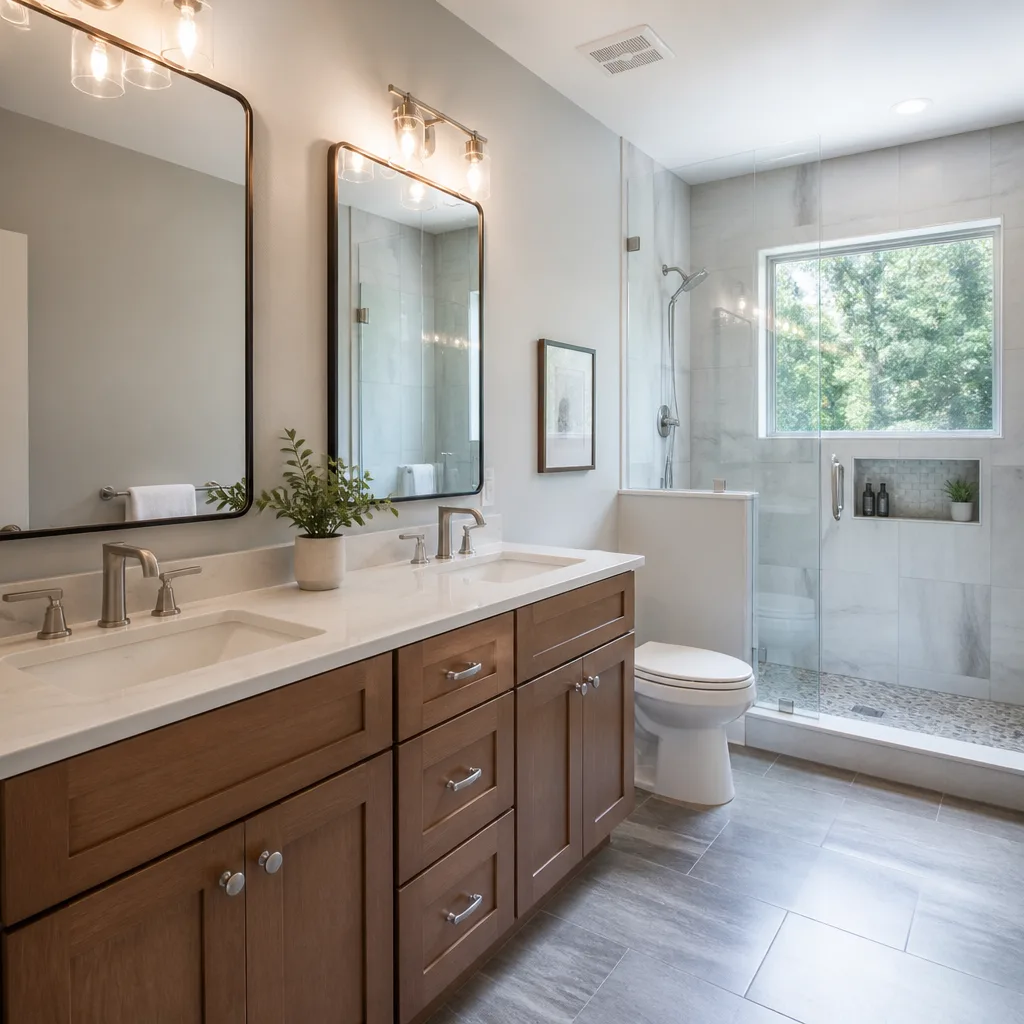 Bathroom remodeling
 Roofing
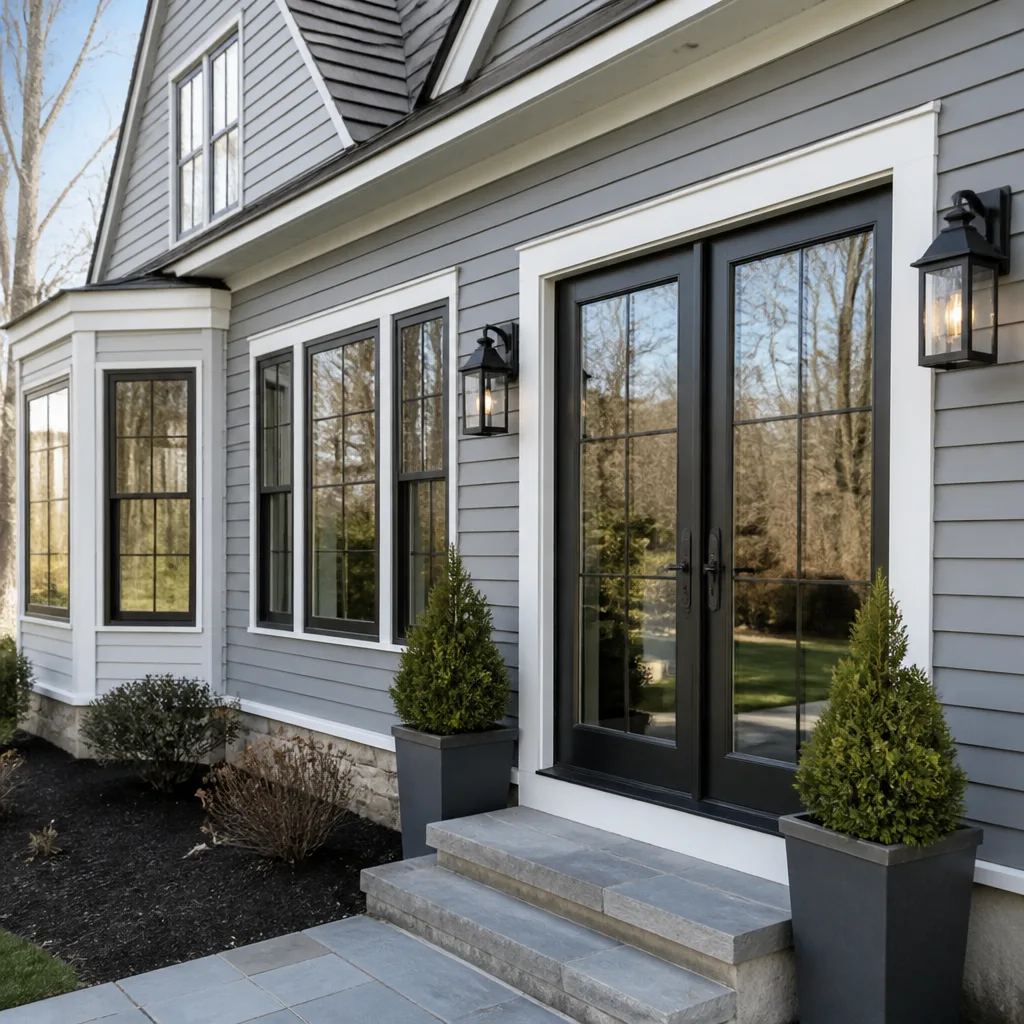 Windows & doors
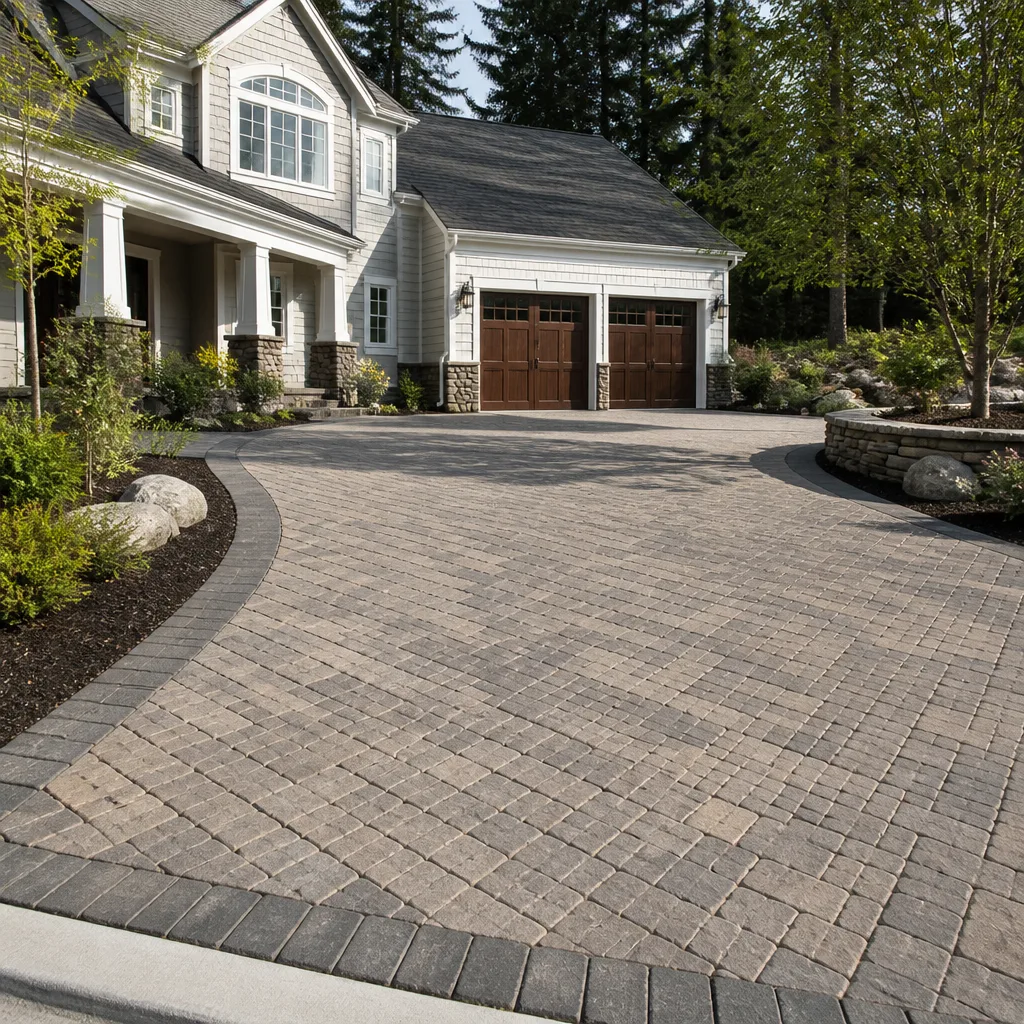 Driveway & pavers
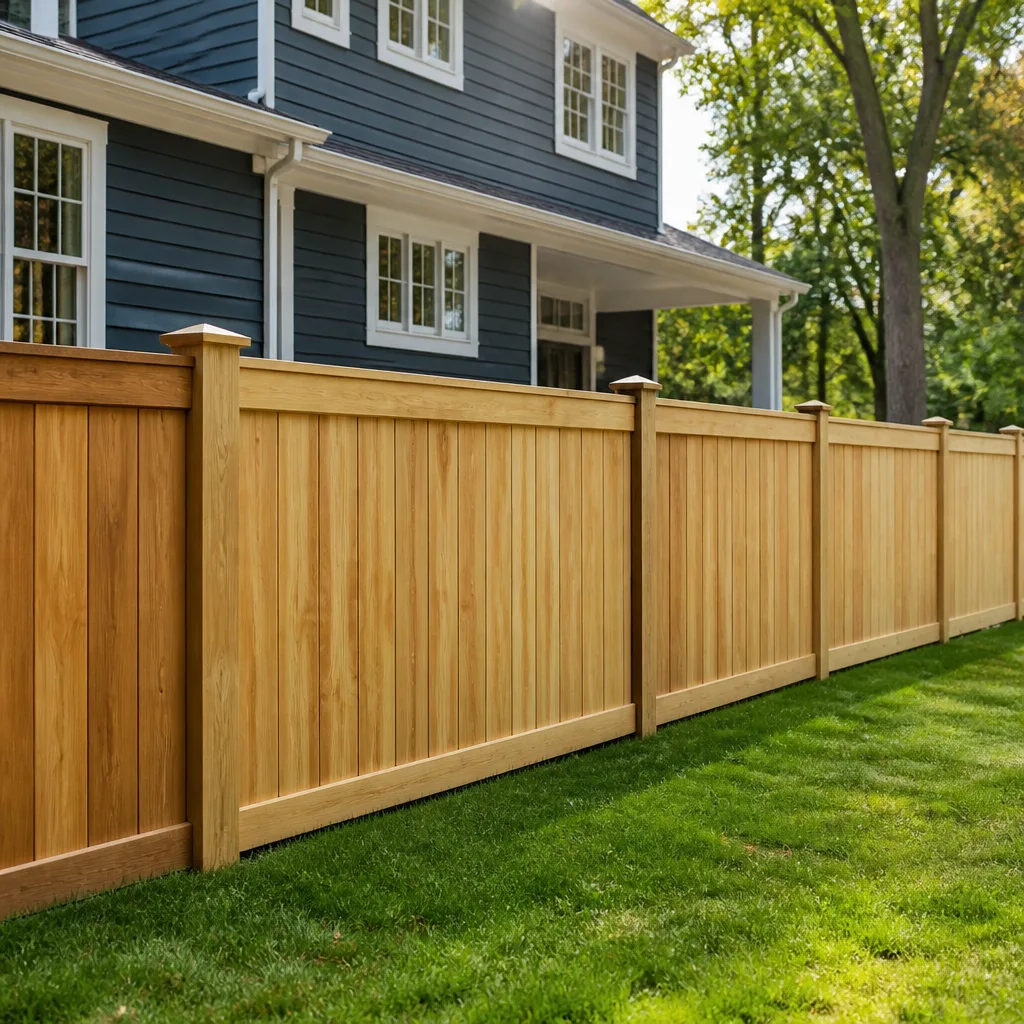 Fence
Free written scope consultation - allowances, timeline, and change-order rules on paper before a single trade is scheduled
Construction Cost Breakdown: The Murrieta Homeowner’s Reference for 2026
The $150-per-square-foot figure homeowners find online for an average remodel was calculated from national data and bears almost no relationship to what a Murrieta project actually costs once Riverside County permit fees, local labor rates, and California energy code compliance are priced in. If you’re planning a kitchen, bath, addition, ADU, or full exterior overhaul in 2026, this guide—along with our more guides & resources—replaces guesswork with the real numbers, line by line. We’ll show you where Murrieta prices diverge from Los Angeles and San Diego, what a legitimate contractor estimate should include, and the line items most budget guides omit entirely. You’ll leave with a working budget framework and a sharper eye for scope gaps before you sign anything.
Styles & brands we work with
Quick Answer
In 2026, a mid-range kitchen remodel in Murrieta runs roughly $45,000 to $75,000; a hall bath lands between $18,000 and $32,000; a primary bath between $35,000 and $60,000; and a stick-built room addition starts around $300 per square foot before design fees. Full exterior packages involving James Hardie siding, a GAF or CertainTeed roof, and windows typically run $60,000 to $140,000 depending on square footage and material tier. Permit fees, plan check, and Title 24 compliance documentation typically add another 3% to 6% on top of construction cost, a line item most national cost guides ignore.
Table of Contents
- Project-by-Project Cost Ranges for Murrieta in 2026
- Where Murrieta Costs Diverge from LA and San Diego
- How to Read a Contractor Estimate Line by Line
- The Real Cost of Murrieta Permits, Plan Check, and Title 24
- Change Order Economics: How Low Bids Become High Final Invoices
- The Three Cost Drivers Most Homeowners Don’t Model
- How Much Buffer Should You Carry in Your Budget?
- Common Mistakes to Avoid
- When to Call a Professional
- Frequently Asked Questions
- The Bottom Line
Project-by-Project Cost Ranges for Murrieta in 2026
These ranges reflect what we’re seeing on signed contracts in Murrieta this year, not national averages. They assume permitted work, licensed trades, and materials from recognized manufacturers rather than big-box entry-level product. Every range splits into three tiers because a kitchen with Wellborn cabinetry and a Cambria island carries a different number than one with stock boxes and a laminate top. Both are legitimate. The point is knowing which tier you’re actually buying before the first hammer swings.
Kitchen Remodel
- Entry tier: $38,000 – $52,000 – stock or semi-custom cabinets, mid-grade quartz or solid surface counters, standard appliance package, minimal layout change, vinyl plank or mid-grade tile flooring.
- Mid tier: $52,000 – $80,000 – semi-custom cabinetry from lines like KraftMaid, Cambria or Silestone counters, some structural opening changes, upgraded fixtures, tile backsplash, and a modest layout improvement.
- High tier: $80,000 – $140,000+ – full layout reconfiguration, custom or premium cabinetry, designer plumbing fixtures, large-format tile or stone, appliance upgrades, and structural work if load-bearing walls move.
The spread is wide because kitchens are the most line-item-dense room in a house. One Murrieta homeowner’s kitchen runs $52,000. The neighbor’s runs $95,000. Same square footage, different cabinet line, different counter material, different scope behind the walls.
Bathroom Remodel
- Hall bath, entry: $16,000 – $24,000 – new tub or shower surround, standard tile, stock vanity, updated fixtures, no plumbing relocation.
- Hall bath, mid: $24,000 – $36,000 – full gut, Schluter waterproofing system behind the tile, semi-custom vanity, better fixtures, niche and glass.
- Primary bath, mid: $35,000 – $60,000 – larger footprint, separate tub and shower in many cases, heated floors optional, premium tile and fixtures.
- Primary bath, high: $60,000 – $95,000+ – full redesign, structural changes, curbless shower, designer materials, custom millwork.
The waterproofing system matters more than most homeowners realize. We install Schluter membrane behind every shower because it’s the difference between a shower that performs for 30 years and one that quietly rots framing. That material and labor adds $1,500 to $3,500 to a shower, and it’s worth every dollar. You don’t see it in the finished photo, but you’ll feel it in year eight when the grout still looks like year one.
Room Addition
- Stick-built addition: $300 – $425 per square foot, all-in – foundation, framing, roofing tie-in, electrical, HVAC extension, drywall, paint, flooring, and permits. A 400-square-foot addition starts around $130,000 to $170,000 in Murrieta.
- Prefab or panelized systems: $250 – $380 per square foot – partners like Plant Prefab and Dvele reduce on-site framing time, but site work, foundation, utilities, and finishing still carry typical Murrieta costs.
Additions are where Murrieta’s carrying costs bite. Foundation and framing happen fast, but the inspection sequence through Riverside County adds calendar days between rough and final. Each added week is a week of general conditions you’re paying for whether or not anyone swings a hammer.
Accessory Dwelling Unit (ADU)
- Converted garage: $80,000 – $140,000 – existing shell, new systems, insulation, finishes, and a separate meter depending on utility requirements.
- Stick-built detached ADU: $180,000 – $300,000 – 600 to 900 square feet, new foundation, full systems, kitchenette and bath.
- Prefab ADU from partners like Abodu, Dvele, or Mighty Buildings: $120,000 – $230,000 for the unit itself, before site work, foundation, utility connections, and landscaping. Total cost typically lands between $170,000 and $290,000.
California’s ADU streamlining laws have made these the fastest-growing project type in Murrieta. The cost ceiling is real, but so is the rent ceiling: a 700-square-foot ADU in southwest Riverside County rents for $1,900 to $2,500 a month, which recovers construction cost in under a decade at current rates.
Roofing Replacement
- Entry tier: $12,000 – $18,000 – architectural shingle, standard underlayment, minimal deck repair, smaller single-story footprints.
- Mid tier: $18,000 – $32,000 – GAF Timberline or CertainTeed Landmark class shingles, upgraded underlayment, ridge venting brought to current code, some deck work.
- High tier: $35,000 – $70,000+ – tile or standing seam metal, full re-deck, solar-ready infrastructure, steep-slope labor premiums.
Murrieta summers punish roofing materials differently than coastal climates. Thermal cycling, UV exposure, and the occasional Santa Ana wind event mean underlayment selection matters as much as the shingle itself. You want a roof that handles 110-degree July days without breaking down in year twelve.
Full Exterior Package
- Siding, windows, and trim: $45,000 – $110,000 – with the spread driven by window count and whether you choose fiber cement like James Hardie or a lower-cost panel system.
- Full exterior including roof, siding, windows, and hardscape refresh: $90,000 – $180,000+ – the wide range reflects material tiers more than labor. Labor in Murrieta is relatively consistent; material choice swings the number more than any other variable.
James Hardie siding carries a manufacturer-trained installer requirement. If it’s not installed to spec, the warranty doesn’t hold. That’s why we treat these as system installs, not just board nailing. The manufacturer’s spec is the minimum standard, not a target.
Where Murrieta Costs Diverge from LA and San Diego
Murrieta is not a discount version of the coastal market. It has its own cost profile, and understanding it tells you whether a bid is competitive or padded. Three differences stand out.
Labor rates run 10% to 20% below coastal pricing in some trades. Framers, drywallers, and finish carpenters who live in the Inland Empire don’t carry the same wage floor as crews commuting into West LA or Orange County. That’s real savings, but it’s partially offset by the next two factors.
Material transport costs are higher for specialty products. A slab of Cambria quartz doesn’t care whether it’s delivered to Murrieta or San Diego, but the distributor does. Delivery fees, fuel surcharges, and minimum order thresholds hit Murrieta jobs more often than they hit urban-coastal projects. For commodity items like lumber and drywall, the difference is minor. For specialty tile, custom cabinetry, and premium plumbing fixtures, it can add 2% to 5% to the material line.
Inspection timelines extend project duration, and duration is money. Riverside County’s inspection queue moves slower than most coastal jurisdictions. Each added week between rough and final adds general conditions cost: portable toilet rental, temporary power, site supervision, and trash service. A project that takes 14 weeks in San Diego might take 16 in Murrieta. That’s two extra weeks of carrying cost at $800 to $1,500 per week on a mid-size remodel.
The net result: Murrieta is still less expensive than Los Angeles for most trades, but not by the margin you’d assume from labor rates alone. The savings show up most clearly on labor-heavy work like framing and tile; they shrink on material-intensive work like kitchens and exterior packages.
If you’re comparing bids from a Murrieta general contractor and a coastal firm willing to travel in, verify that the coastal bid includes travel time, mileage, and a realistic inspection calendar. Many don’t. A general contractor in Murrieta knows the local inspection rhythm and prices accordingly from the start.
How to Read a Contractor Estimate Line by Line
Most homeowners read the bottom line and ignore everything above it. That’s exactly where scope gaps hide. A five-line estimate that says “kitchen remodel: $58,000” tells you nothing about what you’re actually buying. A twenty-line estimate tells you everything, provided you read it the right way.
Here’s the line-by-line breakdown we recommend looking for, in order:
- Demolition and disposal – should be a separate line. If it’s buried in labor, you can’t compare it across bids. Typical range on a Murrieta kitchen: $2,500 to $6,000 depending on dumpster pulls and whether there’s tile or concrete involved.
- Rough framing and structural – only appears if walls move or headers get cut. If your plan changes any opening, this line must exist. No structural line on an opening change is a red flag.
- Rough plumbing and electrical – stated as a system cost, not a per-fixture cost. Legitimate plumbing rough-in for a hall bath runs $4,000 to $8,000 in Murrieta. If you see $1,200 for “plumbing,” you’re looking at a bid that under-scopes the rough-in and will catch up via change order.
- Waterproofing – for any shower or wet area, this line should name a system. We specify Schluter because it’s the standard. If the estimate says “waterproofing” with no system named, ask before signing.
- Finish materials – cabinets, counters, tile, fixtures, flooring. This should be the largest single block. If it’s suspiciously small, the bid assumes low-tier material and you’ll upgrade later at change-order pricing.
- Permits and plan check – should be listed as a separate allowance or exact cost. If it’s missing entirely, the bid is for unpermitted work, which changes your insurance and resale exposure.
- General conditions – temporary protection, portable toilet, site supervision, trash. Legitimate even if it stings. $1,500 to $4,000 on a mid-size project is normal.
- Contingency – 5% to 10% of contract value. If the contractor doesn’t carry one, that’s not thrift; it means any surprise goes straight to a change order instead of being absorbed.
We’ve watched Murrieta homeowners sign bids with a $3,000 “appliance allowance” next to a kitchen that clearly needed $9,000 in appliances. That’s not a low bid. That’s a bid that hasn’t finished telling you what it costs yet. The estimate isn’t just a number; it’s a map of what the contractor thinks the job is.
The Real Cost of Murrieta Permits, Plan Check, and Title 24
National cost guides rarely include this because Construction Permits, Codes & Inspections in CA: What You Need to Know vary so widely by jurisdiction. Riverside County and the City of Murrieta charge real money for plan check, building permits, and compliance documentation. On a mid-size remodel, you’re looking at 3% to 6% of construction cost in fees alone, and that’s before you account for the time it takes to pull them.
Here’s what gets charged, in the order it hits your project:
- Plan check fee – paid when drawings are submitted for review. $400 to $2,500 depending on project scope. An ADU or addition carries a higher plan check than a kitchen remodel without structural changes.
- Building permit fee – based on valuation. Murrieta uses a valuation-based fee schedule, so a $60,000 remodel pays a different permit fee than a $200,000 addition. Typical range: $800 to $6,000.
- Specialty permits – electrical, plumbing, and mechanical are separate line items in many cases. $150 to $500 each. A full rewire plus repipe plus HVAC change can add $1,200 to $2,000 in specialty permit fees.
- Title 24 compliance documentation – a certified energy consultant models your building envelope and mechanical systems to verify California energy code compliance. $800 to $2,500 depending on whether the project includes new HVAC equipment, insulation changes, or window replacement.
- School district and utility fees – apply to new square footage, additions, and ADUs. An ADU can carry $10,000 to $20,000 in impact fees depending on size and whether the district charges per-square-foot or flat fees.
A $70,000 kitchen remodel with no structural change might carry $2,800 in total permit, plan check, and Title 24 costs. A 700-square-foot ADU might carry $15,000 to $25,000 before a single 2×4 arrives. Neither number appears in most online cost calculators, which is why their output feels so far from your actual quotes.
A home remodeling project in Murrieta priced without permit costs is a project that will surprise you mid-flight. Get the permit number from your contractor before framing starts.
Change Order Economics: How Low Bids Become High Final Invoices
The most expensive words in construction are “while we’re in there.” Change orders are the single largest source of cost overrun in Murrieta remodels, and the pattern is predictable enough that you can spot it before signing. Our Construction Warning Signs: A Murrieta Homeowner’s Reference Guide covers more red flags to watch for. A contractor bids low to win, scopes the job thin, and then converts every newly discovered condition into a change order at whatever margin the contract allows.
Here’s how it works, step by step:
- The bid assumes best-case conditions. No termite damage, no outdated plumbing, no dry rot behind stucco. The number looks aggressive, but it’s built on an assumption the contractor knows is unlikely.
- Demo reveals conditions the bid didn’t price. Water damage under a window, cast iron drain lines that should be replaced, a subfloor that’s too thin for large-format tile. Each discovery becomes a change order.
- Change orders carry a premium. The base bid margin might be 15% to 20%. Change order margin often runs 25% to 40% because the work is small, disruptive, and you have no leverage to negotiate.
- The final invoice lands 15% to 35% above the signed contract. Nobody lied. The contract simply didn’t specify what the existing conditions were, and you assumed the bid included them.
Two contract structures prevent most of this. First, insist on a line-item estimate with an explicitly stated contingency of 5% to 10% that absorbs surprises rather than converting them to change orders. Second, ask for a fixed-price contract for defined scope, not a time-and-materials agreement. Fixed price doesn’t eliminate change orders, but it shifts the burden of accurate scoping onto the contractor, where it belongs.
We write fixed-scope contracts with a contingency line for exactly this reason. If hidden conditions stay within contingency, the number you signed is the number you pay. If something extraordinary surfaces, we document it with photos and a written scope change before work proceeds. You’ll never get a change order for work already done with a “trust us, you needed it” explanation. Written line-item quotes and scope discipline are the only honest way to run a remodel, and they’re the standard for home renovation in Murrieta done correctly.
The Three Cost Drivers Most Homeowners Don’t Model
Every budget guide talks about materials and labor. Almost none talk about the three factors that actually move Murrieta numbers in 2026.
Inland Empire labor rate compression. The coastal market has been exporting demand inland for a decade as LA and San Diego project volume stayed strong but coastal wage floors made certain scopes too expensive for homeowners. That overflow landed in the Inland Empire, including Murrieta, and it compressed the labor discount we used to enjoy. In 2019, a finish carpenter in Murrieta billed $20 to $30 per hour less than a comparable tradesperson in Orange County. In 2026, the gap is $8 to $15. Still cheaper, just not as much. If you’re budgeting from old assumptions, you’ll come up short.
Southern California distribution logistics. Murrieta sits at the tail of a distribution network that runs through the ports of LA and Long Beach, inland to the warehouses in the Inland Empire, and then outward. That’s usually an advantage for commodity materials since the warehouses are close. But specialty goods, imported tile, custom cabinetry, and designer plumbing fixtures often route through coastal distributors first, adding days and delivery fees to reach Murrieta. The pattern shows up in your estimate as freight surcharges and longer lead times, especially for anything arriving from Europe or Asia.
Permit fee escalation since 2022. The City of Murrieta and Riverside County both increased building and plan check fees after 2022 in response to administrative cost pressure. The increases weren’t dramatic individually, but they compound: a project carrying $4,000 in fees in 2022 might carry $5,200 in 2026 for the same valuation. It’s a line item that rises even when your project scope doesn’t. Put another way, a project that cost $100,000 in 2022 costs more in 2026 even if every material and labor rate stayed flat, because the city’s share grew.
None of these three forces appears in a national cost-per-square-foot chart. All three hit every Murrieta project. If your budget is built entirely from online averages, you’ll be short by the time permits are pulled.
How Much Buffer Should You Carry in Your Budget?
You should plan for a total project cost of 15% to 25% above the signed contract, not because the contractor will overrun, but because every remodel includes decisions you’ll make mid-project that cost more than the baseline. Countertop selection, tile upgrades, fixture changes, the moment you decide to move an outlet: each is a small decision with a real dollar figure.
Here’s a practical buffer table for Murrieta projects, based on what we’ve seen across hundreds of signed contracts:
- Kitchen remodel: carry 18% to 25% – the kitchen is where homeowners upgrade during the job more than any other room.
- Bathroom remodel: carry 12% to 18% – smaller surfaces, fewer upgrade vectors, but the waterproofing and tile decisions still move the number.
- Room addition: carry 15% to 20% – the envelope is fixed, but interior finishes and HVAC decisions arrive late in the job.
- ADU: carry 20% to 30% – utility connections, site work, and impact fees often exceed the initial estimate.
- Roofing: carry 10% to 15% – deck repair is the wildcard, and you won’t know until the old roof comes off.
The buffer is not a waste. It’s the difference between a project that finishes and a project that pauses while you figure out how to pay for what you just chose. The homeowners who carry buffer make decisions calmly. The ones who don’t start making compromises in the middle of the job, and they live with those compromises for a decade.
Common Mistakes to Avoid
- Budgeting from a national cost per square foot. National data doesn’t include Murrieta permit fees, Riverside County inspection delays, or California Title 24 compliance, all of which add real cost to your specific project.
- Signing a bid with no contingency line. If the contractor hasn’t priced for the unknown, every unknown becomes a change order at premium margins. A missing contingency is not a bargain; it’s a deferred invoice.
- Choosing materials after the contract is signed. The selection process drives cost more than any other single factor. If you’ve already signed, your upgrades are change orders, not choices. Select your cabinet line and counter material before you sign.
- Assuming the lowest bid is the honest bid. More often, it’s the bid that scoped the job thinnest. Compare line items, not bottom lines, and ask where the low bidder cut.
- Ignoring the waterproofing spec. A shower that looks great but lacks a proper waterproofing system fails underneath the tile. By the time you see the damage, the repair costs more than the original shower.
- Skipping the permit. Unpermitted work changes your insurance exposure and complicates resale. Murrieta’s resale market is active, and buyers’ inspectors flag unpermitted additions and ADUs regularly.
- Not asking who pulls the trade permits. On some jobs, electrical and plumbing permits are pulled separately. If the GC doesn’t pull them and the trades don’t either, the work is unpermitted and you’re carrying the risk.
When to Call a Professional
If your project involves structural changes, moving electrical or plumbing, reworking a roofline, or building new square footage, you need a licensed general contractor before you spend another hour on design. The permit sequence alone will require stamped drawings, and the coordination across trades is where unmanaged projects collapse. You should also call before you finalize a material budget; a knowledgeable contractor can show you where the money goes and what you’ll get for it at each tier. Pinecrest Contractors offers free estimates in Murrieta, call (855) 702-1622 to schedule yours. We’ll walk your project line by line and tell you what it actually costs in this market, not someone else’s.
Frequently Asked Questions
A mid-range remodel in Murrieta runs $150 to $300 per square foot depending on scope, with kitchens and bathrooms at the high end and single-room refreshes at the low end. Additions and ADUs run higher, typically $300 to $425 per square foot for stick-built work. These figures include permits, labor, materials, and general conditions, which national averages typically omit.
Permits, plan check, and Title 24 documentation typically run 3% to 6% of construction cost on a mid-size remodel, so a $60,000 kitchen carries roughly $2,000 to $3,600 in fees. Additions and ADUs carry higher fees because they trigger new-square-footage impact charges that can reach $10,000 to $20,000 before construction starts. Call (855) 702-1622 and we’ll give you an exact number for your scope; estimates are free.
Labor rates run 10% to 20% lower in many Murrieta trades than coastal markets, but material transport costs for specialty products and slower Riverside County inspection timelines offset part of that savings. Net, Murrieta is still less expensive for labor-heavy work, but material-intensive scopes like kitchens and exteriors are closer to coastal pricing than most homeowners expect.
With a fixed-scope contract and an explicit contingency line, the number you sign is the number you pay unless something extraordinary surfaces. Without those two contract features, a low initial bid often becomes a final invoice 15% to 35% above the signed amount through change orders. Ask how the contractor handles hidden conditions before you sign.
A mid-size kitchen remodel runs 8 to 14 weeks from demo to final; a hall bath runs 4 to 8 weeks; a primary bath runs 6 to 10 weeks depending on scope. Riverside County inspection scheduling adds days between phases compared to some coastal jurisdictions, and those days carry real general conditions cost, so realistic timelines matter to your budget as much as your calendar.
We pull the building permit and coordinate all specialty trade permits as part of the contract. Homeowners who pull their own permits on a remodel take on liability and scheduling burden that the general contractor should carry, and many Murrieta trades won’t work under a homeowner-pulled permit. It’s a service line in our estimates, not an afterthought.
The Bottom Line
Murrieta construction costs in 2026 are shaped by local permit structures, Inland Empire labor economics, and Southern California distribution logistics, not by the national averages you’ll find in a two-minute Google search. A realistic kitchen runs $45,000 to $75,000 at the mid tier; a bathroom runs $18,000 to $60,000 depending on which bathroom; additions and ADUs start at $300 per square foot and climb from there. The single most protective move you can make is to insist on a line-item fixed-scope estimate with a contingency, then carry a 15% to 25% buffer in your own budget. For deeper planning, see our Construction Emergency Preparedness Guide for Murrieta Homes. Do that, and you’ll make clear-eyed decisions from demo to final inspection.
Pinecrest Contractors home is a resource for Murrieta homeowners who want one contractor, every system, from the roof down to the pavers. We’ll show you the options, build to the brand’s spec, and keep your project coordinated from first estimate to final walkthrough. Call (855) 702-1622 for a free estimate on your 2026 project.
Written by the team at Pinecrest Contractors, serving Murrieta since 2014.
See the difference
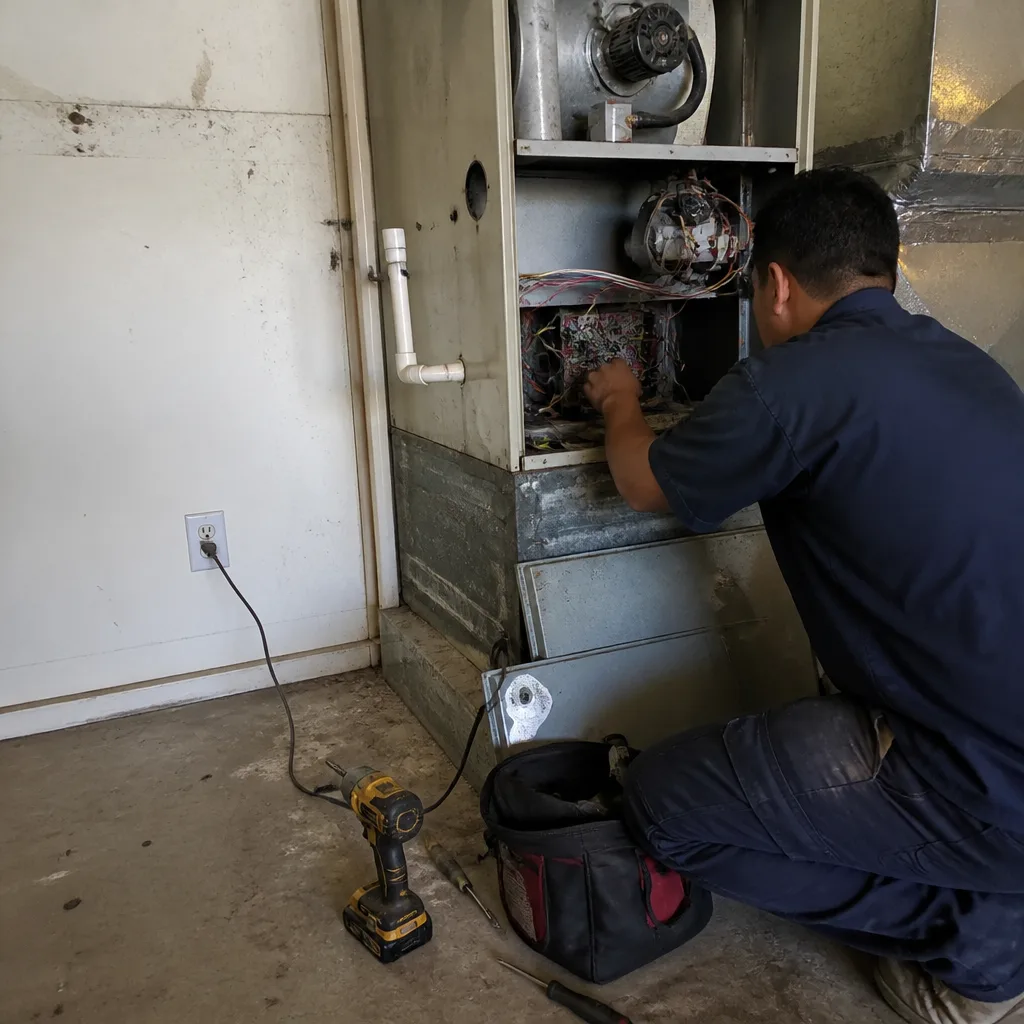 Before
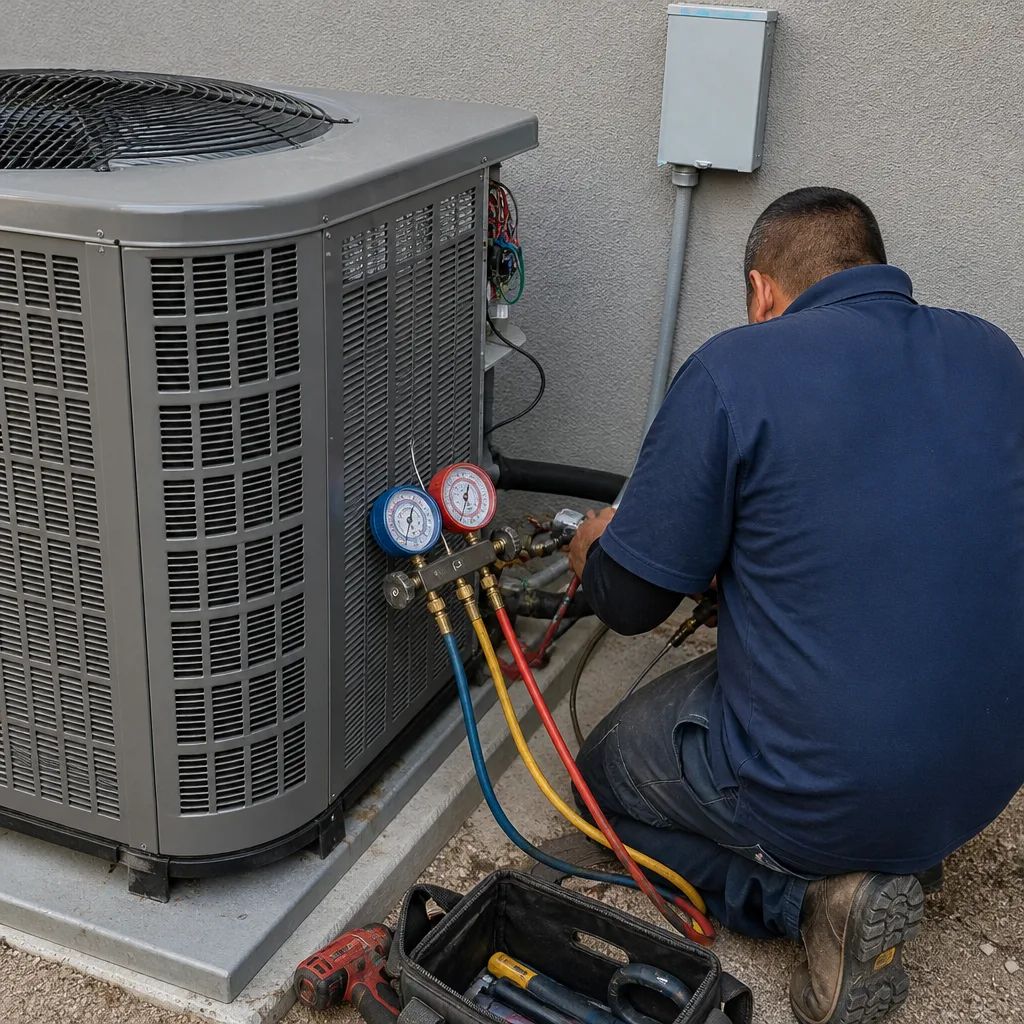 After
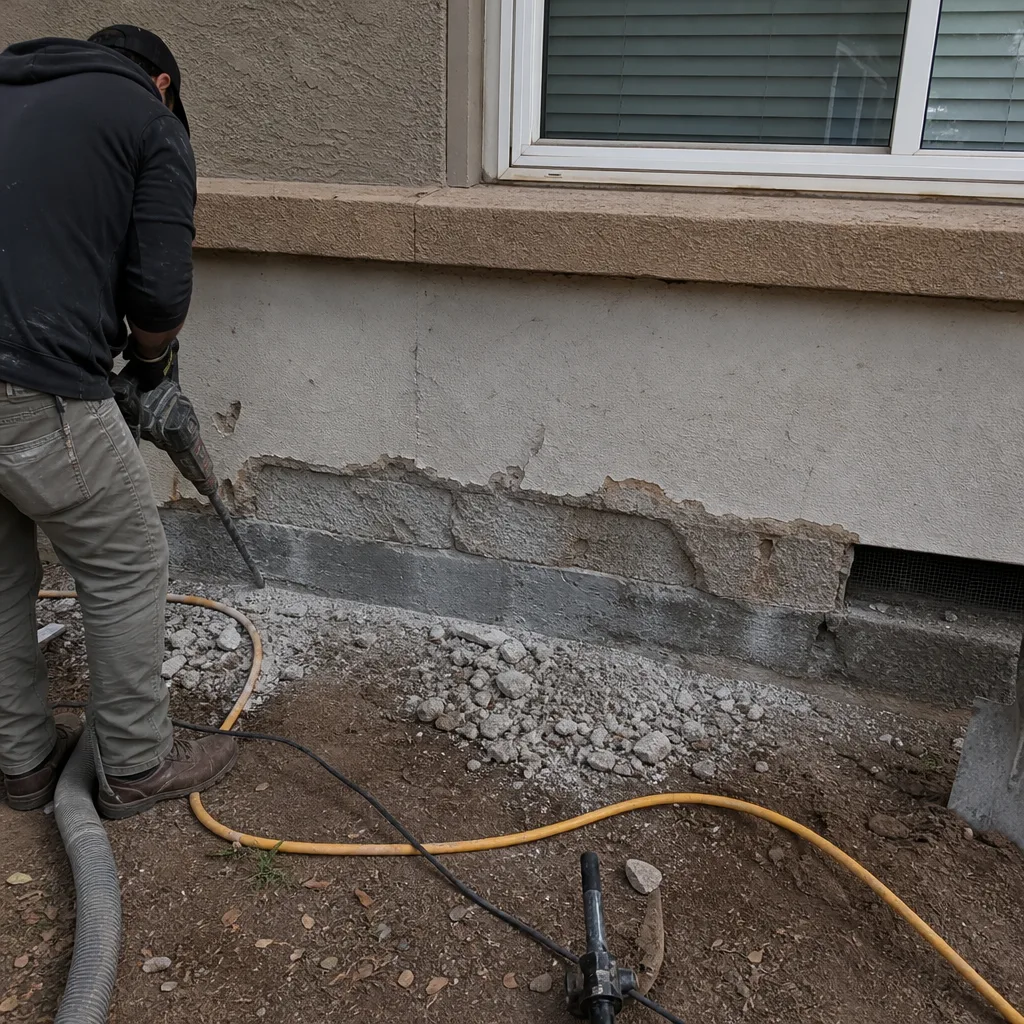 Before
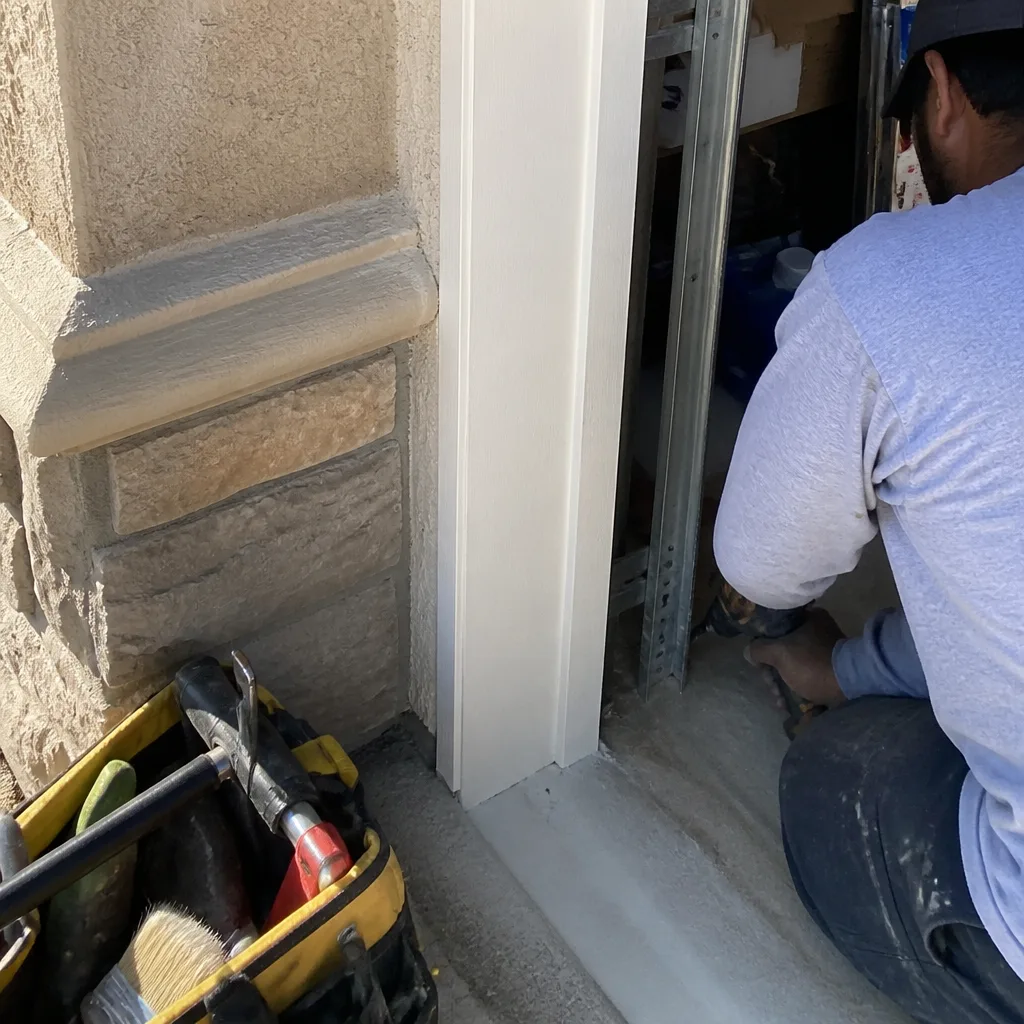 After
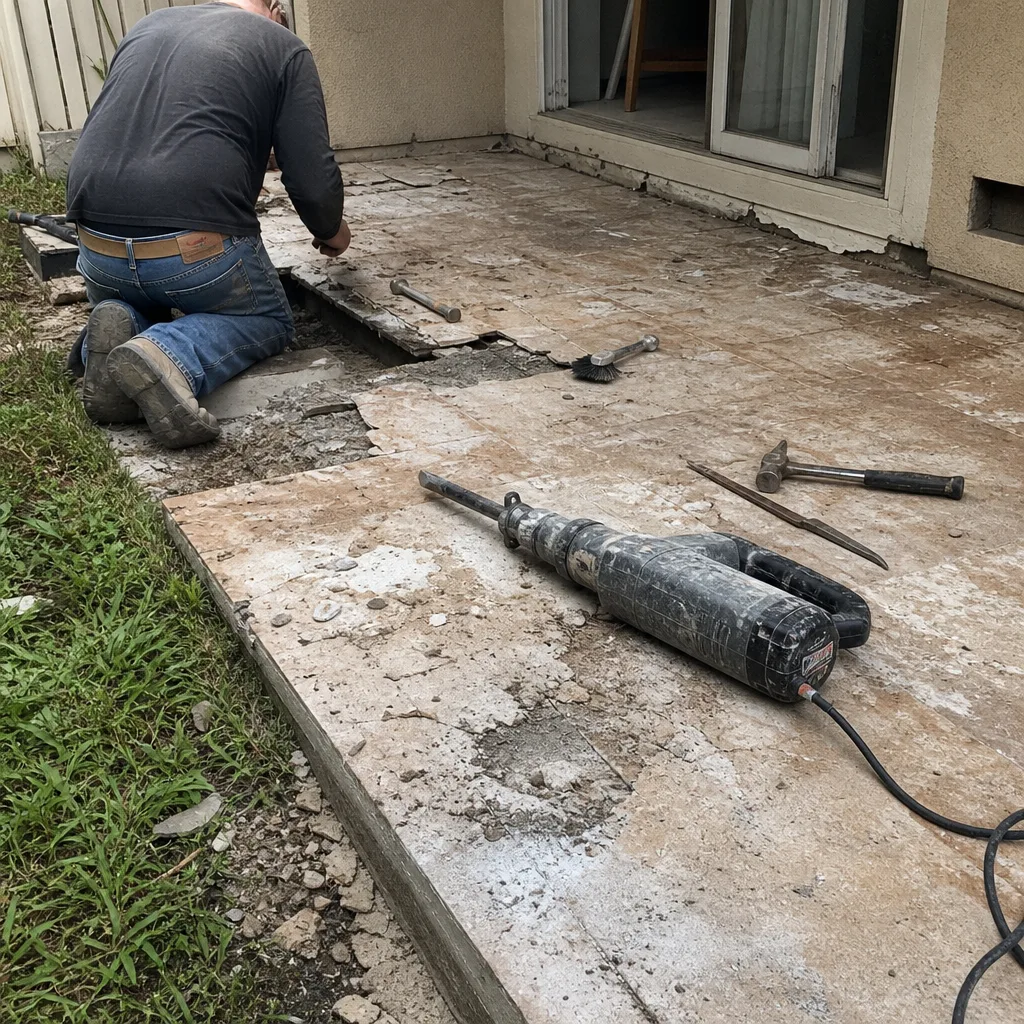 Before
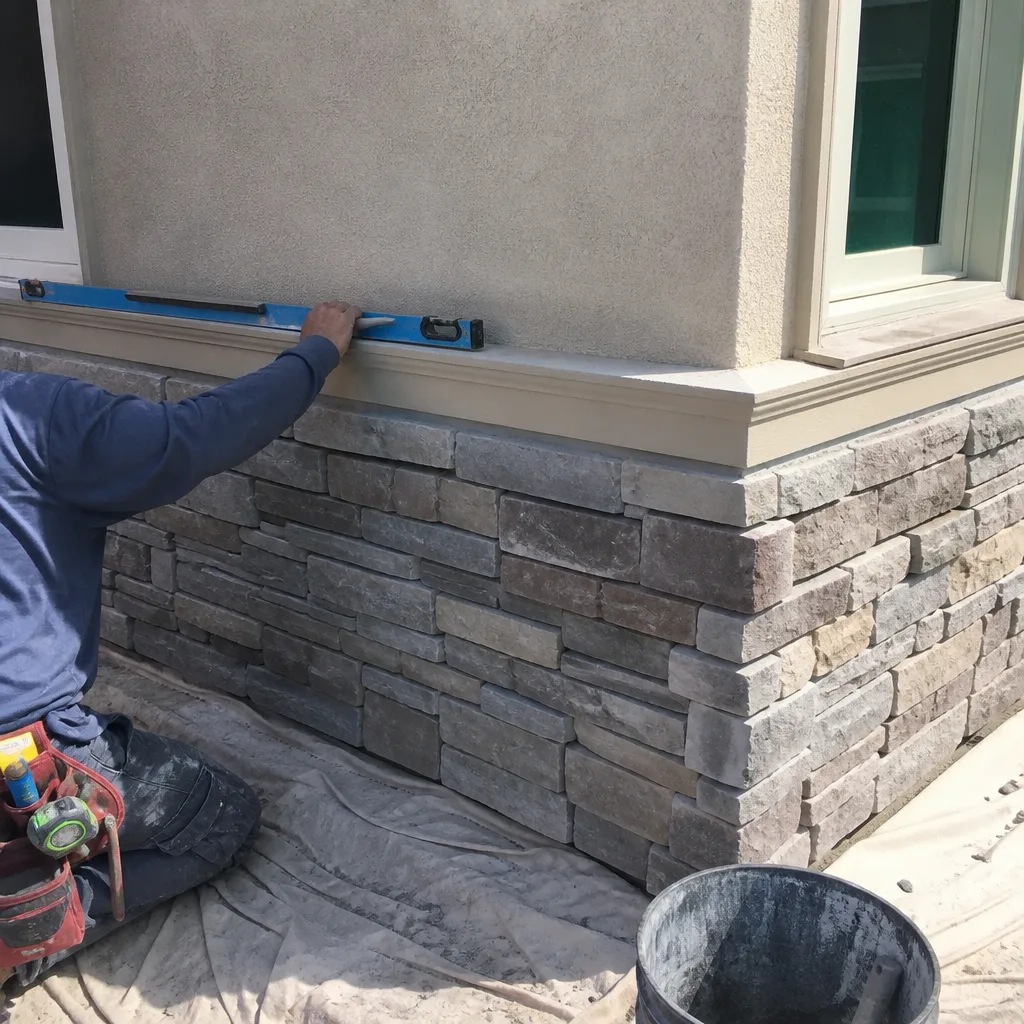 After