

Last updated October 30, 2026
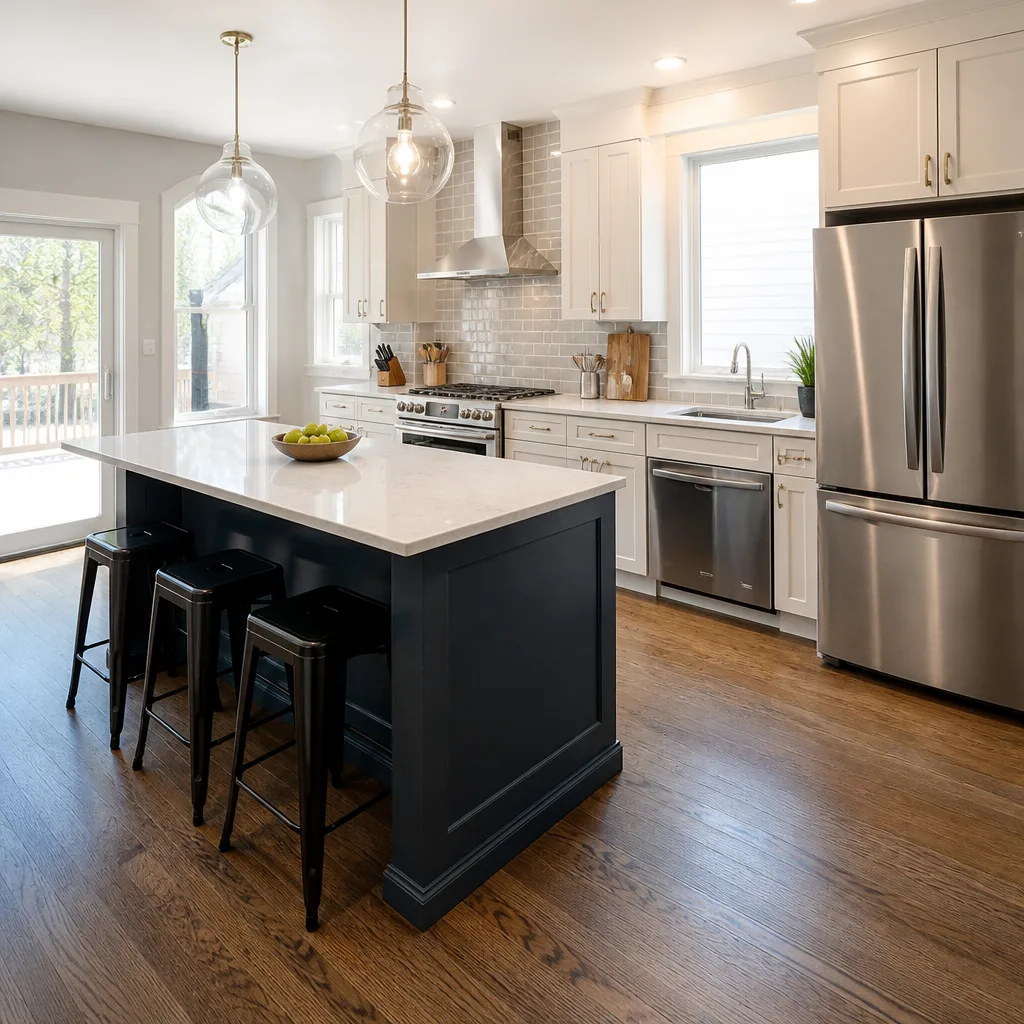 Kitchen remodeling
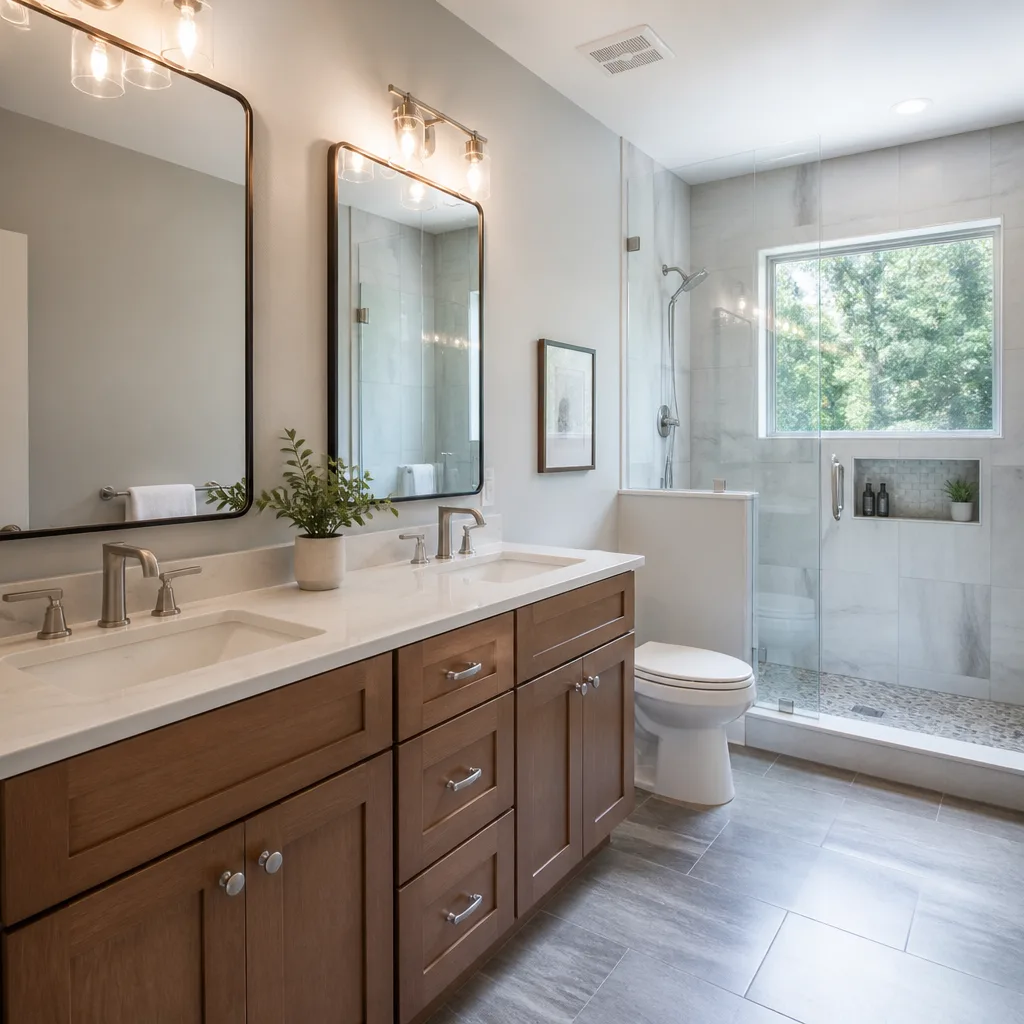 Bathroom remodeling
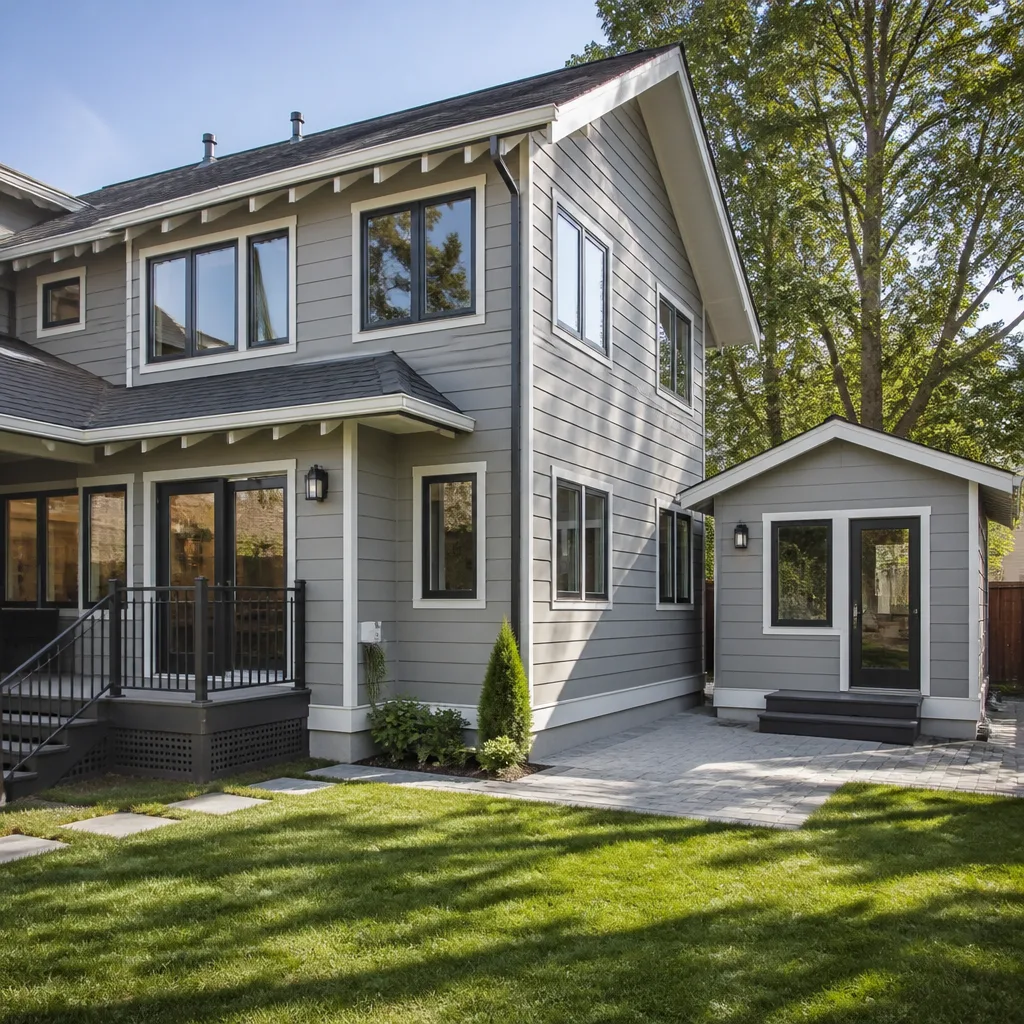 Home additions & ADU
 Roofing
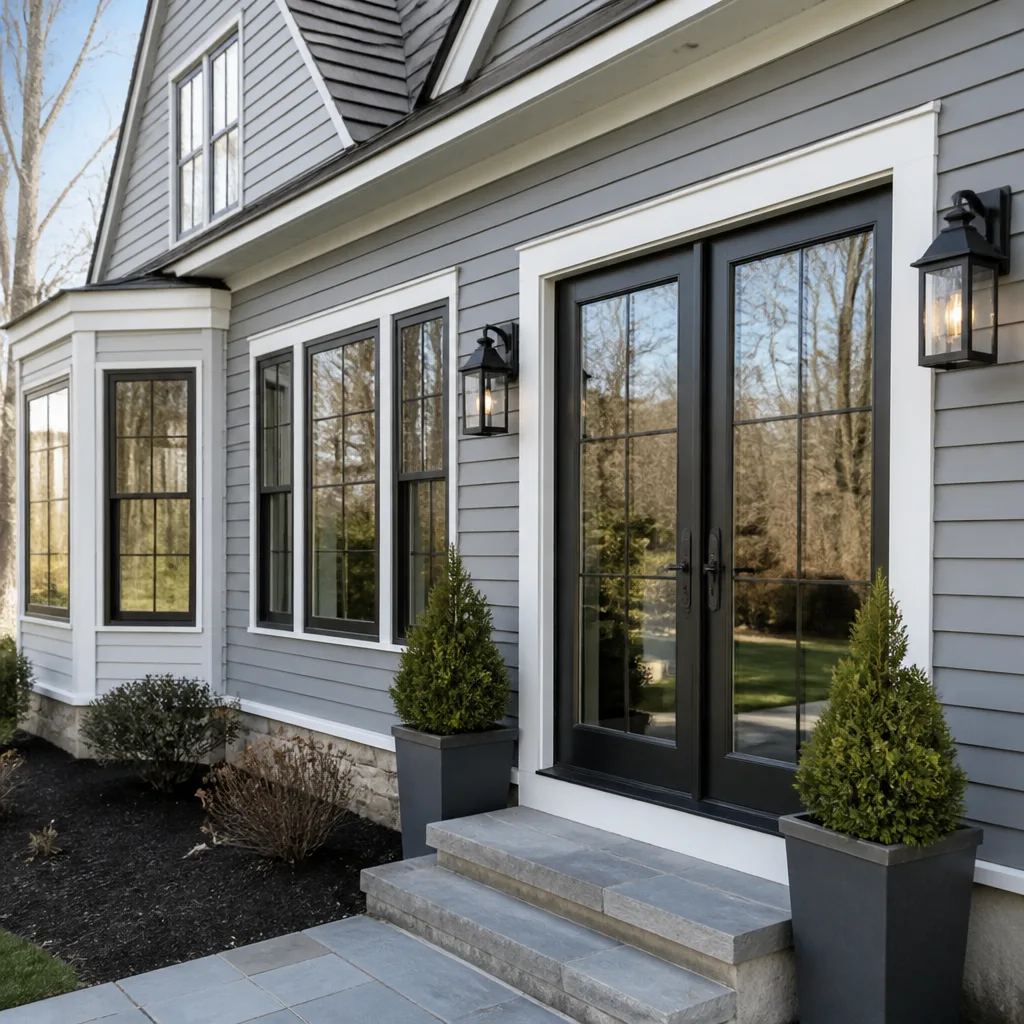 Windows & doors
 Driveway & pavers
 Fence
Free written scope consultation - allowances, timeline, and change-order rules on paper before a single trade is scheduled
Construction Permits, Codes & Inspections in CA: What You Need to Know
Here’s the counterintuitive thing about California’s construction permit system: it is not designed to slow you down. It exists to keep you from losing money. In Murrieta, where summer temperatures routinely crack 100 degrees and homes sit on expansive clay soils, a permit is the document that proves your new roof sheathing, your panel upgrade, and your ADU foundation were installed to a standard that survives those conditions. Unpermitted work doesn’t just create a disclosure headache at resale. It can trigger a retroactive stop-work order on a future unrelated project, voiding your contractor’s liability coverage in the process. This guide explains how Murrieta’s permit process actually works, which projects trigger plan checks, how inspections sequence, and what Title 24 compliance means for the materials you choose. For more guides & resources, see our blog.
Styles & brands we work with
Quick Answer
Construction permits in California are legally required for any project that alters a home’s structure, electrical system, plumbing, or mechanical systems. In Murrieta, that includes many projects homeowners assume are exempt: water heater replacements, electrical panel upgrades, window replacements in load-bearing walls, and most ADU conversions. The process follows a standard pattern: submit plans, pay fees, pass phased inspections, and receive final sign-off. Skipping permits saves money up front and costs far more later.
Table of Contents
- Why Permits Exist: The Real Reason Murrieta Requires Them
- The Four Projects Murrieta Homeowners Most Often Get Wrong
- California ADU Laws vs. Murrieta’s Local Amendments
- The Inspection Sequence for a Typical Murrieta Remodel
- Title 24 Energy Compliance: Where It Surprises Homeowners
- Who Pulls the Permit: Contractor vs. Owner-Builder
- Common Mistakes to Avoid
- When to Call a Professional
- Frequently Asked Questions
- The Bottom Line
Why Permits Exist: The Real Reason Murrieta Requires Them
Most guides frame permits as a tax or a hurdle. That misses the point entirely. A permit is a record that gets filed with the City of Murrieta’s Building & Safety Division, and that record does three things no other document can do. First, it proves to any future buyer, lender, or insurance underwriter that the work was reviewed by a plans examiner and inspected at critical stages by a city inspector. Second, it triggers the liability coverage on your contractor’s insurance. If a contractor works without a permit and something fails, their insurer can deny the claim on the basis that the work was never legally authorized. Third, it protects you from your own future decisions. When you sell a home in Murrieta, the seller disclosure form asks specifically about unpermitted additions and modifications. Lying on that form is fraud. Disclosing unpermitted work usually means either tearing it out or negotiating a price reduction.
We’ve walked through enough Murrieta remodels to say this plainly: the homeowner who pulls a permit today is the homeowner who doesn’t get a surprise letter from the city five years from now. We handle home remodeling in Murrieta projects where the permit paperwork is part of the contract, and we’ve seen how much smoother closings and refinances go when the file is clean.
The Four Projects Murrieta Homeowners Most Often Get Wrong
Every city has its own quirks, and Murrieta is no exception. These four categories are the ones where we regularly see homeowners assume no permit is needed, only to find out otherwise after work has begun. None of these are controversial. They are all on the city’s required-permit list.
1. Water heater replacements
A water heater swap looks simple: disconnect, remove, replace, reconnect. In California, a permit is required for any water heater replacement because the work involves the gas line, the flue, and the earthquake strapping requirements that are unique to seismic zones. A water heater that topples during an earthquake can sever a gas line and start a fire. Murrieta inspectors check for the specific double-strap configuration and flexible gas connector that California code requires. The permit typically costs less than $100 and can often be issued the same day, but it must be pulled before the work is done. The physical installation involves gas connections that can cause serious injury or death if done incorrectly. A licensed contractor with the proper training should always handle this work.
2. Electrical panel upgrades
This one surprises people constantly. Replacing a 100-amp panel with a 200-amp panel is not a like-for-like swap. It changes the service capacity of the entire house, which means the utility company gets involved, the load calculation changes, and the city needs to verify that the new panel is bonded, grounded, and labeled correctly. In Murrieta, an electrical panel upgrade requires a permit and an inspection. Working inside an electrical panel is genuinely dangerous work. Live bus bars carry enough current to kill. This is not a DIY project, and even a handyman who is not a licensed electrician should not be touching it. The permit creates the inspection that verifies the work was done to the National Electrical Code.
3. Window replacements in load-bearing walls
This is the one that costs people the most money. If you are replacing a window with the same size window in the same opening, Murrieta typically treats that as a simple change-out and may not require a full plan review. But the moment you enlarge the opening, add a window where none existed, or remove a load-bearing header to install a wider window, you have altered the structural assembly. That requires a permit, a plan check, and an inspection. The inspector will want to see the engineered header specification, the king studs, the jack studs, and the proper nailing pattern. Getting this wrong means a sagging roofline and a failed inspection.
4. ADU conversions
Converting a garage, a bonus room, or an attached workshop into an accessory dwelling unit always requires permits in Murrieta. See our Construction Warning Signs: A Murrieta Homeowner’s Reference Guide for additional red flags. This is not a gray area. The city has specific ADU ordinances that govern ceiling height, egress windows, kitchen and bath requirements, and utility connections. We’ll cover the ADU specifics in the next section, but the short version is this: a garage conversion without a permit becomes a major liability at resale and may not be insurable as living space.
California ADU Laws vs. Murrieta’s Local Amendments
California passed a series of laws between 2017 and 2020 designed to make ADU construction dramatically easier. The state laws forced cities to approve ADUs ministerially, meaning without discretionary public hearings, if the unit meets basic objective standards. They also capped impact fees for ADUs under 750 square feet and required cities to respond to ADU permit applications within 60 days.
Murrieta has adopted these state mandates, but the city has retained authority in specific areas that affect real projects. Here is where Murrieta’s local rules still matter:
- Setback requirements: State law allows ADUs to be built as close as four feet to the rear and side property lines. Murrieta has adopted this standard, but properties in certain hillside or fire-prone zones may be subject to additional defensible space requirements that limit ADU placement.
- Height limits: Detached ADUs in Murrieta are typically limited to 16 feet, though the city allows up to 18 feet in some circumstances when the property is within a half-mile of a transit stop. Attached ADUs follow the height limits of the primary residence.
- Owner-occupancy: State law eliminated owner-occupancy requirements for ADUs built between 2020 and 2025. Murrieta does not currently impose an owner-occupancy requirement on new ADU permits.
- Utility connections: This is where Murrieta retains the most discretionary review. If an ADU requires a separate water meter or sewer lateral, the city must approve the connection plan, and that review can add time. Where the ADU can share the primary home’s utilities, the process is much faster.
For homeowners considering an ADU, the practical takeaway is this: the state law opened the door, but Murrieta’s plan check still requires architecture that meets the city’s specific standards for fire safety, drainage, and utility capacity. We work with ADU structures from partners like Abodu and Dvele, and those prefabricated designs typically arrive with engineering documentation already prepared, which helps clear Murrieta’s plan check faster. For anyone exploring a home renovation in Murrieta, adding an ADU is one of the highest-ROI moves available right now.
The Inspection Sequence for a Typical Murrieta Remodel
Every remodel follows roughly the same inspection path, and knowing the sequence helps you understand why contractor timelines look the way they do. Murrieta’s Building & Safety Division schedules inspections by phone or online portal, and most inspections can be scheduled with a one-to-two-day window. Here is the standard sequence for a kitchen or bath remodel that involves structural work:
- Rough framing inspection: After demolition and new framing, but before any walls are closed up. The inspector checks that studs, headers, and fire blocking are correct. This is the first gate. If framing fails, nothing else can proceed.
- MEP rough-in inspection: MEP stands for mechanical, electrical, and plumbing. This inspection happens after the rough wiring, rough plumbing, and ductwork are installed, but before insulation goes in. The inspector verifies wire gauge, pipe slope, venting, and mechanical clearances.
- Insulation inspection: California’s Title 24 energy code requires specific insulation values. The inspector verifies that the installed insulation matches what was specified on the approved plans. This inspection often includes a check of the building envelope for air leaks.
- Final inspection: After drywall, finishes, fixtures, and trim are complete. The inspector walks the entire space, checks that all electrical outlets are live and grounded, verifies that plumbing fixtures function, and confirms that smoke and carbon monoxide detectors are installed per code.
What happens when a phase fails? The inspector issues a correction notice, the contractor fixes the issue, and a re-inspection is scheduled. Failing an inspection is not a catastrophe. It is a normal part of the process, and it usually adds two to three days to the timeline. What does cause bigger problems is an owner-builder who doesn’t know the sequencing and closes walls before rough inspections happen. At that point, the city can require destructive inspection, which means cutting open walls to expose the work. That is expensive and completely avoidable.
Title 24 Energy Compliance: Where It Surprises Homeowners
Title 24 is California’s energy efficiency building code, and it applies to nearly every remodel that touches a home’s exterior, its HVAC, its water heating, or its lighting systems. Murrieta falls into California Climate Zone 10, which has specific requirements for window performance, roof reflectivity, and ventilation.
The surprises come in three places:
Windows: When you replace windows in Murrieta, the new units must meet a specific U-factor and solar heat gain coefficient (SHGC). A standard dual-pane window from a big-box store may not meet the Title 24 requirement for Climate Zone 10, which means the city will reject the plan and you’ll need to upgrade the glass package. Many homeowners budget for mid-tier windows and then find out they need to step up to a product from a manufacturer like PGT or Milgard with the right low-e coating. Working with product lines like Therma-Tru gives us access to the specific glass packages that clear Title 24 without forcing clients into a premium price tier.
Lighting and controls: Title 24 requires that most remodeled spaces include dimmers, occupancy sensors, or both. The code also mandates that bathrooms and kitchens use high-efficacy lighting. These requirements are not optional, and they can add $200 to $500 to a typical remodel.
Insulation: The required insulation values for attics and walls in Climate Zone 10 are higher than what was standard even ten years ago. If you are remodeling a room and opening the walls, the inspector will require you to bring the exposed wall cavities up to current R-value standards. That can mean upgrading from R-13 to R-15 or R-21, depending on the wall assembly.
The practical takeaway: budget for Title 24 compliance from day one, not as a mid-project discovery. A contractor who knows the local code will have already priced these items into the estimate. That’s part of what we mean when we say we’ll show you the options. A plan check that clears Title 24 the first time saves you two or three weeks of resubmittal.
Who Pulls the Permit: Contractor vs. Owner-Builder
This is the question that most directly affects homeowner liability, and most guides skip it entirely. In California, a permit can be pulled either by a licensed contractor or by the homeowner acting as an owner-builder. The distinction matters enormously.
When a licensed contractor pulls the permit, the contractor’s name and license number go on the permit record. The contractor is responsible for the work, responsible for scheduling inspections, responsible for correcting failed inspections, and responsible for the workmanship for the duration of the contractor’s warranty. If something fails later, the contractor’s insurance and bond are the first line of defense.
When the homeowner pulls an owner-builder permit, the homeowner takes on that legal responsibility. Some owners do this to save money by hiring unlicensed labor or doing the work themselves. What they often miss is that the owner-builder permit makes the homeowner legally responsible for workers’ compensation if anyone is injured on the job. In California, if an unlicensed worker is injured on your property and you pulled an owner-builder permit, you can be personally liable for their medical bills and lost wages. The workers’ compensation insurance that a licensed contractor carries does not exist for you.
The other problem: when you sell the home, California law requires an additional disclosure for owner-builder projects. That disclosure tells the buyer, in writing, that the work was performed by the seller, not by a licensed contractor. Some buyers walk away at that point. Others demand a price reduction.
Our position is straightforward. We pull permits in our name because that is what a general contractor in Murrieta is supposed to do. The permit record is part of the job, not an add-on service. If a contractor suggests you pull the permit yourself to “save time” or “keep it simpler,” walk away. They are shifting liability onto you.
Common Mistakes to Avoid
- Assuming a “handyman” project doesn’t need a permit. In Murrieta, a water heater replacement, an electrical panel swap, a window enlargement, and a garage-to-ADU conversion all require permits regardless of who does the work. The permit requirement follows the scope of work, not the title of the person holding the wrench.
- Closing walls before the rough inspection. If insulation goes in before the MEP rough-in is signed off, the inspector can require destructive testing. Cutting open freshly drywalled walls to expose rough plumbing and wiring is one of the most expensive avoidable mistakes in remodeling.
- Pulling an owner-builder permit to save money, then hiring unlicensed workers. This transfers workers’ compensation liability directly to the homeowner and creates a resale disclosure issue. The savings rarely survive contact with the actual risk.
- Specifying fixtures and windows without checking Title 24 compliance. That dual-pane window or bathroom fan that looked good online may not meet Climate Zone 10 requirements. Once it’s on the plan, it’s on the plan. Changing it back mid-project costs time and money.
- Using a contractor who won’t pull the permit. Any contractor who suggests working without permits is either unlicensed, uninsured, or both. The permit is the document that activates their liability coverage. No permit means no coverage means you’re on your own.
- Ignoring Murrieta’s specific hillside and fire-zone requirements. Some homes in Murrieta sit in areas subject to additional defensible space and drainage reviews. A standard plan set may not clear the plan check without those additional sheets. This is local knowledge that a Murrieta-based contractor has and an out-of-town contractor does not.
- Treating the final inspection as optional. The project is not legally complete until the final inspection is signed off. Some homeowners get to the end, get tired, and skip it. That leaves the permit open, which means the project is not legally closed and the resale issue remains unresolved.
When to Call a Professional
Any project that touches structural framing, electrical service, gas lines, or primary plumbing deserves a licensed contractor. The permit process for those scopes involves plan review, load calculations, and inspections that an experienced hand knows how to navigate. A full-scope remodel that spans multiple systems, from the roof down to the pavers, is when coordination risk becomes the biggest variable. That’s the work we do at Pinecrest Contractors.
We’re a full-scope general contractor with a General Contractor Maintenance Checklist for Murrieta Homeowners, which means one contract covers the kitchen cabinets, the bathroom tile, the siding, the windows, and the hardscape. We pull all permits in our name, we manage every inspection, and we carry the liability. Pinecrest Contractors offers free estimates in Murrieta. Call (855) 702-1622 to talk through your project scope and get a line-item quote.
Frequently Asked Questions
Building permit fees in Murrieta are calculated based on the valuation of the work, using the city’s fee schedule which typically runs $500 to $2,500 for a mid-size remodel. Plan check fees are separate and usually run 65% of the permit fee. A water heater replacement permit is often under $100, while an ADU permit package can exceed $5,000 when plan check and impact fees are included. Call (855) 702-1622 and we’ll help you estimate the permit cost for your specific project.
Yes, in some cases a contractor can pull an “as-built” permit to legalize work that was done without permits, but the process in Murrieta requires exposing the work for inspection, which often means cutting open walls, and the city may require additional corrections to bring the existing work up to current code. This is typically more expensive than permitting the work correctly the first time. The retroactive process also does not erase the unpermitted period from the home’s disclosure history.
The seller disclosure forms in California require you to list any unpermitted additions or modifications, and failing to disclose them is fraud that can result in a lawsuit after the sale closes. If you do disclose unpermitted work, buyers often demand a price reduction, ask that the work be permitted retroactively before closing, or walk away entirely. Lenders and insurers increasingly check permit records before writing policies.
A kitchen remodel that replaces cabinets, countertops, and fixtures in the same locations without moving walls, plumbing, or electrical still requires permits for any electrical work (adding outlets, moving light fixtures), any plumbing work (relocating sink lines, adding a pot filler), and any ventilation changes. A cosmetic refresh with zero mechanical or plumbing changes may not require a permit, but few kitchen remodels stay in that narrow category.
Plan check for a mid-size remodel in Murrieta typically takes two to four weeks for the first review cycle, and each resubmittal adds one to two weeks. Once the permit is issued, inspections are scheduled with a one-to-two-day lead time. The total permit timeline, from plan submittal to final sign-off, typically spans six to ten weeks, with inspections running concurrently with construction.
Yes, Title 24 applies to any remodel that changes the building envelope, mechanical systems, plumbing fixtures, or lighting. In a bathroom remodel, the code requires high-efficacy lighting, water-conserving fixtures like those from Kohler or Moen, and demand-controlled exhaust fans in most cases. A contractor who knows Murrieta’s Climate Zone 10 requirements will have these items priced into the estimate from the first bid.
The Bottom Line
Murrieta’s permit system exists to protect the person who sleeps under the roof and writes the checks. The permits create a record that keeps your home insurable, sellable, and safe. The process is predictable: plan check, permit, phased inspections, final sign-off. The variables that derail projects are almost always the same: unpermitted scope changes, Title 24 surprises, and the wrong person holding the permit. Choose a contractor who pulls the permit in their name, knows the local code, and manages the inspection sequence from rough framing to final. That’s what we do. And when the project is done, you’ll have a clean file, a closed permit, and a house that holds its value.
Written by the team at Pinecrest Contractors, serving Murrieta since 2014.
See the difference
 Before
 After
 Before
 After
 Before
 After